Smart Guidance for Parents of Young Athletes
Navigating your child's athletic growth shouldn't be a guessing game. Get clear, evidence-based advice to avoid burnout and build long-term potential.
Choosing the right coach is one of the most important decisions a parent can make. In this video, I outline three critical questions you should ask any potential coach about their qualifications, approach to injury prevention, and track record. At RSF, we combine certified coaching with a long-term development mindset.
Are you worried your young athlete is doing too much, too soon? Burnout is a real risk, but it's preventable. I share three key tips for parents: add a structured S&C program, keep sessions fun, and prioritize recovery.
Parents, it's time to stop believing these common myths about youth athletic performance. This series of infographics is designed to give you the facts, so you can make informed decisions for your child's long-term health and success in sport.
Myth #1: Kids don't need strength training. Truth: Structured, age-appropriate strength training is not only safe but incredibly beneficial for building a foundation of coordination, resilience, and confidence.
Myth #2: "Pain equals gain." Truth: For a young athlete, pain is a signal of potential injury, not progress. We teach our athletes to listen to their bodies and train smart, not just hard.
Myth #3: "Early specialization ensures success." Truth: The science is clear that multi-sport participation builds better, more adaptable, and more resilient athletes. It reduces burnout and overuse injury risk.
Overtraining is a common but often missed issue in youth athletes. This infographic introduces the physical and behavioral signs that parents should watch for, explaining that too much, too soon doesn't build talent, it breaks it.
The real problem with overtraining is that young athletes are not mini-adults. This graphic explains that their developing bodies can't handle adult-style training loads, leading to a mismatch between stress and recovery that looks like laziness but is actually fatigue.
What are the physical signs of overtraining? This infographic lists key warning signs parents often miss, such as frequent soreness, a drop in speed, and disrupted sleep. These are not just "growing pains" but signals of stress overload.
Overtraining also has emotional and behavioral signs. This graphic details symptoms of central fatigue, like a sudden loss of interest, mood swings, and withdrawal from teammates. This is when the mind is as tired as the body.
About Guidance for Parents
Before you commit to a training schedule, start with our 60-minute movement assessment. We don't just watch your child move; we use force plates and speed metrics to measure their coordination, power, and biological maturity status. This gives us a clear, data-driven starting point to ensure the program we build is designed for where their body is today, not where it will be in two years.
Moving Beyond the Myths
Many parents are told that 'pain equals gain' or that early specialization is the only path to success. The science tells a different story. For young athletes, repetitive loading on the same joints before age 12 often leads to asymmetry and overuse injuries, not improved performance. We focus on movement literacy—crawling, jumping, and landing—to build a foundation that protects your child from burnout.
Why Youth Training Is Different
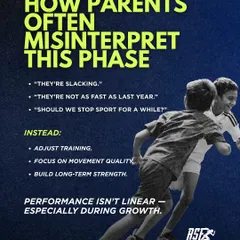
Your child is not a mini-adult. Their bones, tendons, and hormones are changing, often during rapid growth spurts. We account for this by adjusting training volume and intensity to match their biological age. Our approach integrates:
- Movement Screenings: Checking Squat, Hinge, and Lunge patterns to identify imbalances.
- Load Management: Monitoring total workload across sport, school, and gym to prevent fatigue.
- Multi-Sport Literacy: Building the coordination needed for any sport, not just one.
The Data-Backed Path Forward
Every athlete begins with a consultation where we generate a 'Digital Report Card' of their performance metrics. We explain the findings clearly, giving you actionable steps to support your child’s athletic journey. Whether you are training at our Koramangala or Jayamahal facility, our goal remains the same: helping your child build a resilient body that stays in the game for the long haul.
Similar work from other experts
Browse through Curated picks from other experts on mytribe
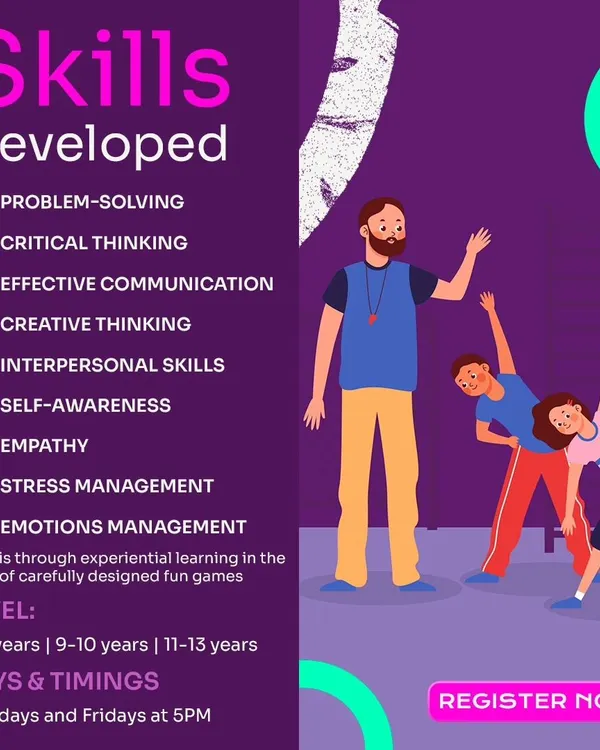 28
28

A Guide for Sport Parents: Supporting Your Child’s Development
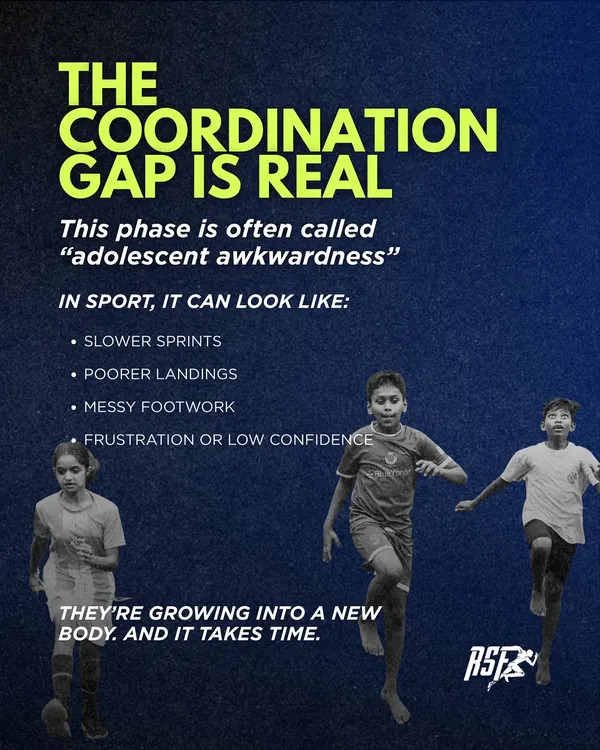 5
5

Training Through Growth Spurts for Young Athletes
Youth Athletic Development Programs in Bangalore
Nutrition for Young Athletes & Parents
Strength and Conditioning for Young Athletes
 7
7
Youth Athlete Development: Building Speed, Agility, and Discipline
More from Youth Athlete Development by Rapid Sport Fitness