A Guide for Sport Parents: Supporting Your Child’s Development
We partner with you to navigate the path of youth sports. Here, we break down developmental milestones and explain how to nurture your child's physical literacy beyond the screen.
Our program is designed to develop crucial life skills. This graphic outlines the key areas we focus on, from problem-solving and critical thinking to empathy and stress management.
This series is for parents who want to support their child's athletic journey. We cover everything from elevating playtime to understanding formal training.
Part one of our guide focuses on elevating playtime. We emphasize unstructured play to develop motor skills and foster a natural love for sports and movement.
Part two explores the benefits of organized sports. We provide insights into teamwork, discipline, and how to choose the right sport for your child's interests.
Part three discusses your key role in formal training. Learn about finding reputable coaches and programs that align with your child's goals and aspirations.
Part four is a skill breakdown. We guide you on how to support your child's development by incorporating sport-specific drills into daily routines in a fun way.
Understanding the difference between youth sports and high-performance training is crucial. This series helps parents manage expectations and focus on long-term development.
We believe high performance is the end game of youth development. It emphasizes skill mastery and character development over just winning, laying a foundation for sustained success.
What is high-performance training? It integrates mental toughness, strategic thinking, and injury prevention to mold well-rounded athletes.
This graphic discusses developmental timelines. Prioritizing long-term growth over early success is vital to prevent burnout and foster sustained performance.
About A Guide for Sport Parents
We do not just talk about fitness. At Invictus Play, our "From Play to Performance" model bridges the gap between unstructured movement and organized sport. Whether you are wondering about the right age to start structured training or how to prevent burnout in young athletes, our approach is built on sports science, not guesswork. We help you move your child from basic motor skills to disciplined physical literacy, keeping the joy of play at the center of the experience.
Understanding Physical Literacy
Physical literacy is the foundational motivation, confidence, physical competence, and knowledge that allows children to value and take responsibility for engagement in physical activities for life. It is not just about being fast or strong; it is about having the movement vocabulary to enjoy any sport your child chooses.
The Developmental Roadmap
We advocate for a gradual approach to youth sports:
- Ages 2.5–6: Focus on fundamental movement skills—running, jumping, balancing, and throwing. Our goal here is to develop a positive relationship with movement.
- Ages 7–10: Introduction to basic technical skills and sport-specific movements like boxing stance or gymnastics mechanics. We keep this gamified to ensure consistency.
- Ages 11–13: Introduction to structured discipline, goal setting, and slightly more complex athletic conditioning.
Dispelling Fitness Myths
Parents often worry about strength training for children. Our philosophy is clear: avoid heavy weights that stress growing joints. Instead, we use bodyweight resistance, tug-of-war, and partner games. This builds functional strength, improves posture, and enhances balance without the risks associated with premature lifting.
Supporting the Journey
Your role as a parent is the most critical variable. We recommend focusing on the process rather than the outcome. If your child is struggling to maintain focus, look at their sleep patterns, their hydration, and whether they are getting enough unstructured, screen-free time. We are always available at our Vasanth Nagar studio to discuss your child’s specific developmental needs.
Similar work from other experts
Browse through Curated picks from other experts on mytribe

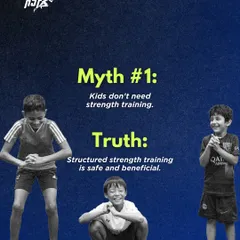
Smart Guidance for Parents of Young Athletes
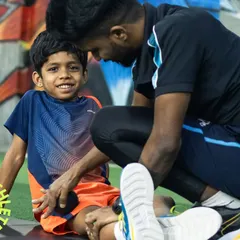
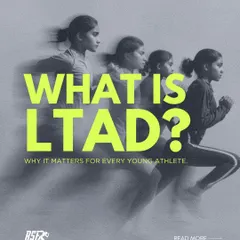
Science-Based Youth Athlete Development
Youth Athletic Development Programs in Bangalore
Nutrition for Young Athletes & Parents
 7
7
Youth Athlete Development: Building Speed, Agility, and Discipline
 5
5


Youth & Summer Fitness Programs in Bengaluru
More from Youth Boxing by Invictus Play
More services by Invictus Play