The Science of Training
We don't just train hard. We train smart. Here is the science behind every rep, hold, and recovery session at our Koramangala studio.
Ever heard of Zone 2 training? I break down what heart rate zones are and why training in Zone 2 is so effective for burning fat and building endurance. It's like leveling up in a video game, but for your heart.
Will creatine give you kidney stones? I tackle this common myth and explain what creatine is, who can benefit from it, and how to use it safely. The key takeaway: hydration is non-negotiable.
Isometric holds are a secret weapon for joint and tendon health. I explain how holding a position for 20-30 seconds stimulates collagen repair, making it a highly effective tool for dealing with persistent tendon pain.
Think plyometrics are only for elite athletes? That's a myth. I explain how explosive exercises like box jumps can be modified for any fitness level to build bone density, improve reflexes, and reduce injury risk.
Your tendons are your internal shock absorbers, but they need different training than your muscles. This post breaks down the science of tendon growth, which is driven by collagen synthesis, not just protein synthesis.
Does stretching actually lengthen your muscles? Not really. Flexibility is mostly controlled by your nervous system. When you stretch, you're teaching your brain to relax the muscle and reduce tension.
Myth vs. Fact: Lactate is not the villain it's made out to be. It actually acts as a shield to protect your muscles during intense exercise, not cause soreness.
How long should you rest between sets? This infographic explains the ATP-PC energy system, used for short, explosive efforts like sprints, and why it requires longer rest periods to replenish energy.
This post covers the Anaerobic Glycolysis system, which fuels efforts lasting 10-90 seconds, like a 400m sprint. Understanding this helps you optimize rest times for HIIT-style workouts.
For efforts lasting 30 seconds to 3 minutes, you're in the Speed-Endurance zone. This requires balancing both anaerobic and aerobic systems, and your rest periods need to reflect that to clear lactate effectively.
About The Science of Training
Forget what you have heard about 'lactic acid' causing soreness the next day—it is actually a fuel source your body burns, not a villain. At our Koramangala studio, we shift the focus from arbitrary rep counts to specific energy systems, teaching you exactly why a 400m sprint requires different recovery protocols than a 5-second max effort lift.
Training with Intent
Most gyms sell you the same generic program. We believe if you don't understand why you are doing a movement, you aren't training—you are just working out. We break down the biology so you can actually optimize your gains.
Tendons vs. Muscles
Everyone obsesses over muscle hypertrophy (protein synthesis), but nobody talks about the connective tissue holding it together. Your tendons are your internal shock absorbers. They don't adapt like muscle; they need different stimuli—specifically high load and time-under-tension—to build collagen. We teach you how to train these systems so you don't end up with chronic wrist or knee pain six months into your journey.
The Energy Systems
Are you training for explosive power or endurance? If you confuse your energy systems, you won't get the results you want. We help you map your efforts against the body's actual fuel pathways:
- ATP-PC System: For those short, heavy 5-10 second bursts. Needs longer rest to replenish.
- Anaerobic Glycolysis: The 10-90 second zone where you start feeling the burn.
- Aerobic System: Everything sustained beyond 3 minutes.
Why It Matters
Understanding these mechanisms means you stop guessing. Whether it is using isometric holds to fix nagging tendon pain or adjusting your rest periods to clear lactate efficiently, we give you the tools to build a body that is bulletproof, not just big. We are here to help you move better, climb harder, and stay in the game for the long run.
Similar work from other experts
Browse through Curated picks from other experts on mytribe
 13
13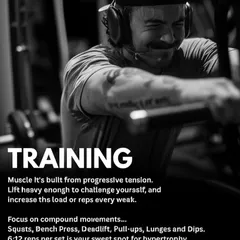


The Science of Real Results: Evidence-Based Training
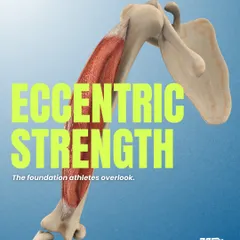
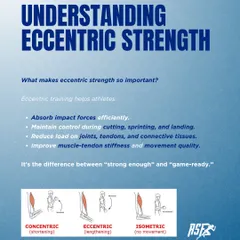
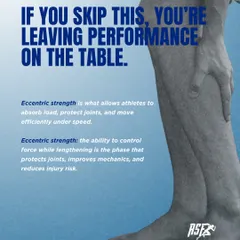
The Science of Strength and Recovery
 82
82The Science of Strength and Conditioning Coaching
Train Smarter: Workouts & Pro Tips
 37
37


Train Smart: Fitness Tips & Myth Busting for Real Results
Technique-First Workout Guides and Fitness Mechanics
More from Movement & Obstacle Course Training by Cali OG
More services by Cali OG