Exploring Bharatanatyam: Where Tradition Meets Contemporary Inquiry
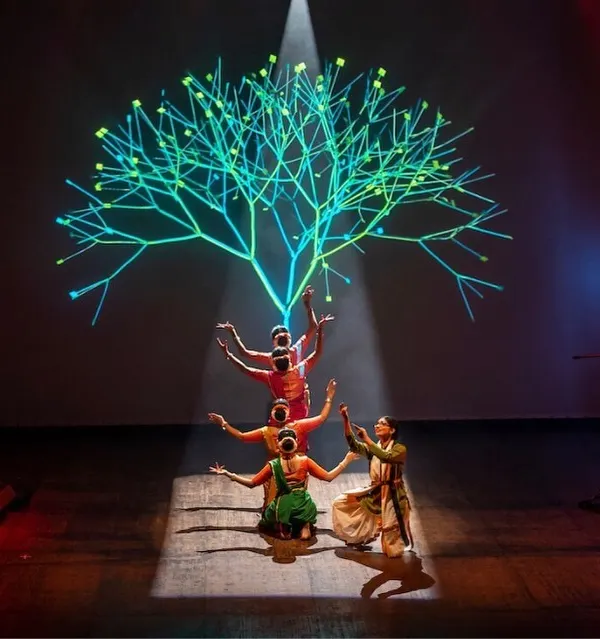
I see Bharatanatyam as a banyan tree—rooted in deep tradition but constantly growing into new, meaningful shapes. This is a glimpse into my practice, where we use movement to study history, dissect poetry, and hold space for conversations that matter.
This is from a performance piece exploring Sangam-era poetry, set against the stark, cracked earth of Bhilwara, Rajasthan. I believe dance can give life to ancient texts, and here, the 'Palai' or desolate landscape described in the poem becomes a physical stage, showing how we can use Bharatanatyam to connect with history and emotion across centuries.
The journey of dance often begins with the simplest rhythms. Here, I am guiding my youngest students through their first sollukattu, or rhythmic syllables, during a Vidyarambham ceremony. My classes for children focus on building a joyful and strong foundation in a supportive environment.
In this video, I explain the core idea behind 'Ikshana', my dance production on the climate crisis. I believe classical arts have a powerful role to play in contemporary conversations, and I use Bharatanatyam as a medium to explore complex issues like our relationship with the environment.
The studio is a space for constant learning. This clip shows a rehearsal where I am learning a complex 'Jathi' or rhythmic sequence with fellow artists. This collaborative process is vital to my growth and highlights the technical rigor we pursue in advanced training.
The joy of dance is best when shared. This is a candid moment of laughter and camaraderie with fellow dancers after a workshop. My classes for adults are designed to be a welcoming community, whether you are a seasoned dancer or just starting your journey.
It was an honor to be invited by the Sangeet Natak Akademi and the National Institute of Disaster Management to speak about using performing arts for climate action. This lecture-demonstration format allows me to share the academic research and philosophical inquiry that underpins my choreographic work.
A moment of stillness from a piece based on Rabindranath Tagore's poem, 'Momo Chitte'. My work often involves deep dives into literature, interpreting the nuances of poetry through the expressive vocabulary of Bharatanatyam. This is a practice of translating words into movement.
About Featured
Whether I am guiding a student through their first sollukattu or discussing the climate crisis, my approach remains the same: we do not just memorize steps. We are deconstructing the Natya Shastra and linking it to our lived experiences. If you choose to train with me or commission a performance, know that we will be digging into the 'why' behind every gesture, not just the 'how.'
My Approach to Bharatanatyam
My work is rooted in the Thanjavur style, passed down through the lineage of my Guru, Dr. Saroja Vaidyanathan. However, I believe classical dance must remain a living, breathing language to stay relevant in the 21st century. My studio in Gurgaon and Delhi serves as a hub for this balance.
For Students: My classes focus on the intersection of technique and philosophy. We cover foundational footwork (adavus), hand gestures (hastas), and expressive storytelling (abhinaya), but we always contextualize them with history and literature. Whether you are a beginner or looking for private mentorship, I maintain small batches to ensure you receive undivided attention.
For Performers & Organizations: Beyond the studio, I create choreography that speaks to current realities. Projects like Ikshana explore the climate crisis through the lens of classical dance, blending academic research with performance. I am frequently invited for lecture-demonstrations where I break down the complexity of our classical art forms for schools, universities, and cultural institutions, often linking mythology to mathematics and social science.
Why Practice With Me?
- Technical Rigor: I teach with a focus on precision, backed by proper conditioning to ensure knee safety and longevity in dance.
- Scholarly Depth: You won't just learn a sequence. You will understand the Natya Shastra references, the poetry behind the music, and the history of the piece you are performing.
- Flexibility: I run a hybrid model with both in-studio sessions in Delhi-NCR and online classes, allowing you to maintain your practice even when you are traveling.
Similar work from other experts
Browse through Curated picks from other experts on mytribe
 8
8
Featured Bharatanatyam Performances and Classical Dance Training
 8
8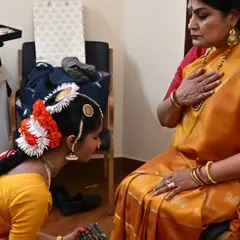
Bharatanatyam Performances and Arangetram Highlights
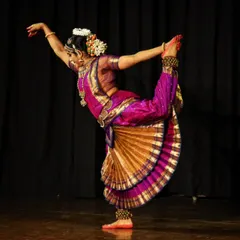
The Heart of Kalangan: My Dance and My Legacy
 8
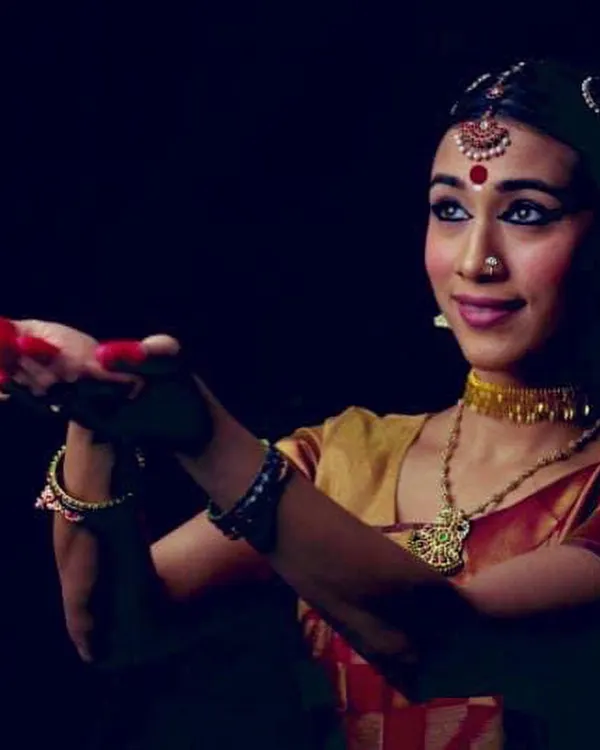
8My Bharatanatyam Performances and Artistic Journey
Classical Dance Traditions and Training
 11
11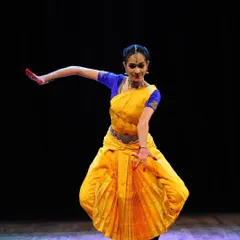
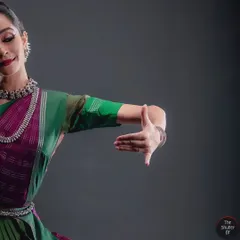
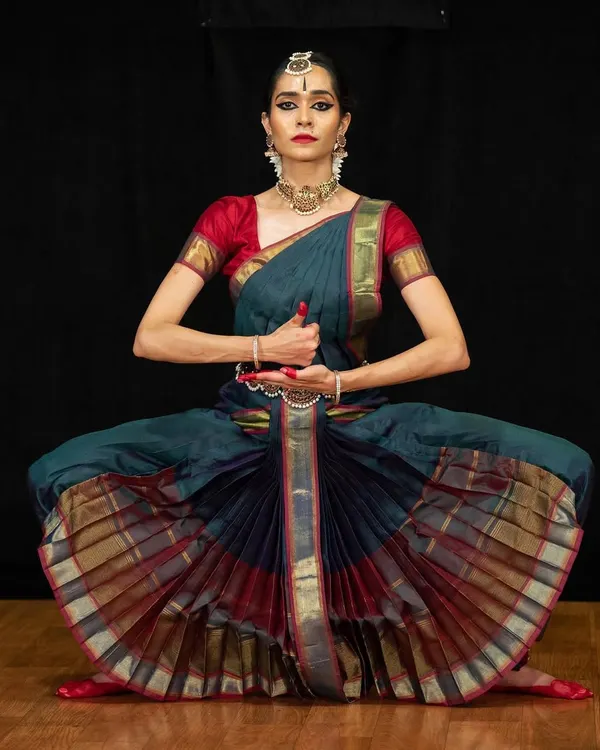
Bringing Bharatanatyam Stories to Life on Stage
More from Classical Dance Education by Tanya Saxena
More services by Tanya Saxena