The Science of Running: Strength, Technique & Injury Prevention
Running is not just about logging miles. To run stronger and stay injury-free, you need a foundation of core stability, muscle strength, and agility. Here is how I train my athletes to build that resilience.
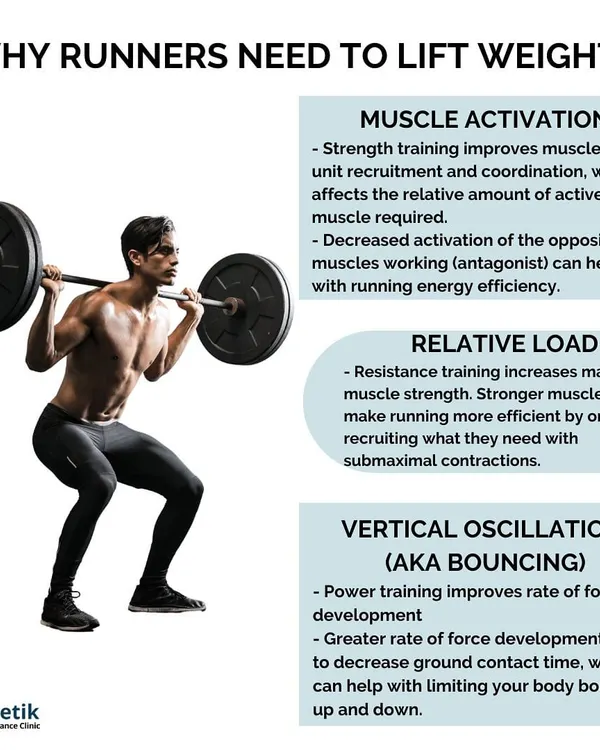
Here are six fundamental weight training exercises that are crucial for every runner. Incorporating exercises like barbell squats and lunges into your routine twice a week builds a strong foundation.
It's gym time. I always advise runners to incorporate a variety of exercises for each muscle group, like these lunges and plank variations, to ensure all muscle fibers get a thorough workout.
During the offseason, I focus on increasing the weight load in strength training. A good session starts with a warm up like rowing, followed by key exercises like standing calf raises.
It is amazing how accurately my Garmin watch can track different strength exercises. This data is valuable for monitoring progress and ensuring a balanced workout.
The Soleus is a key muscle for long distance runners, yet it's often neglected. I demonstrate how to strengthen it with seated calf raises, using a dumbbell or just your own body weight, to prevent common running injuries.
The Soleus muscle is often the culprit behind many running injuries. Seated calf raises are the best way to strengthen this muscle and protect yourself from issues like tight calves and heel pain.
Here I explain the importance of the Soleus muscle. Strengthening it helps prevent common problems like tight calves, Achilles pain, plantar pain, and shin splints.
A strong and stable core is essential for running. The hanging L sit is an excellent bodyweight exercise to build core strength, stability, and isometric strength.
A stable core allows you to control your arms and legs for better running economy. Here are three simple but effective exercises, including plank variations, to build that stability.
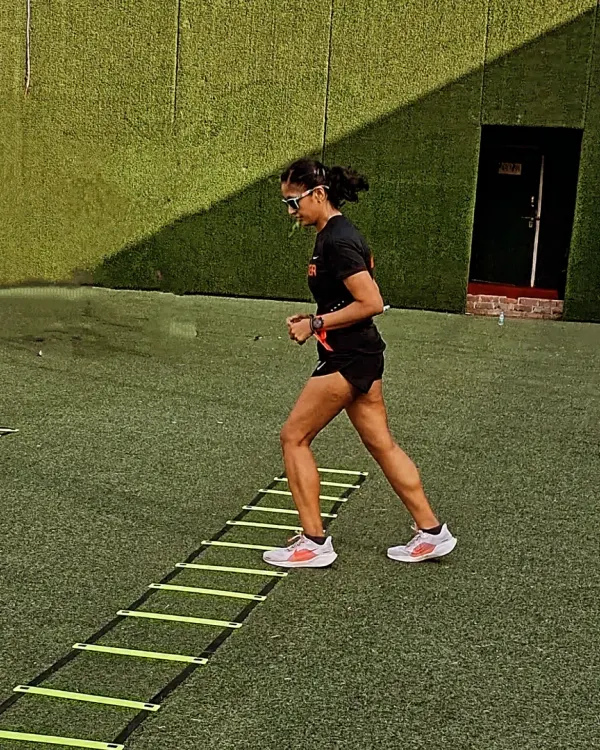
Strength and agility are both crucial for running performance. This video shows three exercises to build both, including low squat hops on steps and inverted rows.
About The Science of Running: Strength, Technique & Injury Prevention
Most runners neglect the soleus muscle, which often leads to stubborn heel pain, shin splints, and Achilles issues. In my training sessions, we focus on specific seated calf raises and lateral stability drills to bulletproof your lower legs against these common injuries, whether you are prepping for your first 10K or an ultra-marathon.
Building the Complete Runner
Many runners treat strength training as an afterthought, but it is the primary engine for performance and longevity. My approach is grounded in sports science, moving beyond simple cardio to ensure every part of your kinetic chain is ready for the road.
Why the Soleus Matters
If you have ever dealt with calf tightness or heel pain, you likely have a weak soleus. This muscle bears a massive load while running. I incorporate seated calf raises and specific resistance work to strengthen this often-overlooked muscle, reducing stress on the gastrocnemius and preventing chronic injuries.
Core Stability & Agility
A floppy core wastes energy. If your torso is unstable, your arms and legs cannot generate efficient forward momentum. I teach movements like the hanging L-sit and dynamic planks, not for aesthetics, but to keep your posture steady over 21 or 42 kilometers.
Training Your Way
Whether you are training at our Jayanagar, Bengaluru center, joining a group session in Pune, or training remotely via the Onca Run app, the methodology remains the same. We use data from your runs to dictate your strength load, ensuring you do not burn out.
Key Focus Areas for Every Session:
- Injury Prevention: Dynamic warm-ups to fire up muscles before you even hit the tarmac.
- Form Correction: Real-time feedback on your stride and cadence.
- Off-Season Loads: Increasing weight during off-season phases to build raw strength capacity.
Remember, whether you are 18 or 80, the body responds to structured, consistent training. We do not just run; we train to run better.
Similar work from other experts
Browse through Curated picks from other experts on mytribe
 7
7

Running Strength, Form, and Injury Prevention
Strength Training for Runners: Build Power & Prevent Injuries
Strength & Conditioning for Runners | Build Power & Prevent Injury
 9
9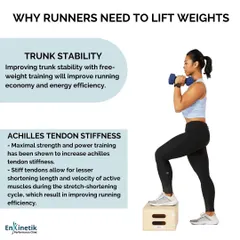
Strength & Conditioning for Runners
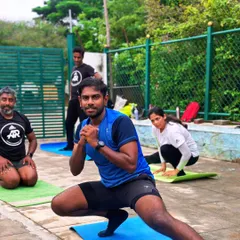
Mobility, Core and Activation Training for Runners
Strength & Conditioning: The Foundation of Fast Miles
More from Running & Marathon Coaching by Pramod Deshpande
More services by Pramod Deshpande