Advanced Calisthenics: Rings & Planche
Mastering advanced calisthenics isn't about rushing to the final move. It is about building the specific straight-arm strength and scapular control required for the planche and ring muscle-up.
If you find yourself rushing through a ring muscle-up, it's likely due to a lack of strength in key positions. This video breaks down the four static holds you need to master: the ring support hold, the chest-to-rings hold, the transition, and the dip. Training these positions will solidify your muscle-up and prepare you for more advanced ring work.
A strong false grip is the foundation for a solid ring muscle-up. This video demonstrates drills to both strengthen and mobilize your wrists for the unique demands of the false grip, which is essential for a smooth transition over the rings.
There's a difference between just doing a muscle-up and truly owning the movement. This video shows my progress in refining the ring muscle-up, working on making the transition smoother and more controlled. It's an ongoing process.
Trusting your coach and the process is key, especially with a long-term goal like the planche. This video shows three months of work to achieve the advanced tuck planche. At first, the drills didn't make sense, but as the individual pieces came together, the skill started to emerge.
Back to work after a short break. The grind for advanced calisthenics skills like the planche and front lever never stops. Here I am working on a tuck planche on the parallettes.
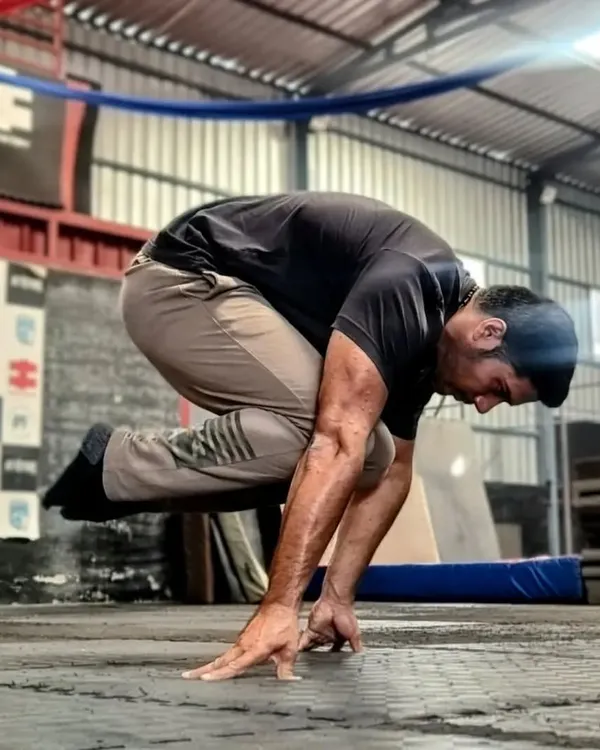
This is a look at my planche progression work on the parallettes. The focus here is on leaning forward and protracting my scapula to build the straight-arm strength required for the full movement.
Working on the fundamentals of ring training. This clip shows me practicing the transition phase of the muscle-up, a critical point of the movement that requires significant strength and coordination.
The front lever is another challenging calisthenics skill I'm working on. Here, I'm using a band to assist with a tuck front lever row, building the pulling strength and core tension needed for the full position.
About Advanced Calisthenics: Rings & Planche
The most common issue I see with the ring muscle-up isn't a lack of pull-up strength; it is a weak false grip. Without that locked-in wrist position, the transition phase becomes a struggle. In our sessions, we start by training that specific grip and the static holds, so you do not just learn the move—you own it.
My approach to gymnastics strength training is strictly non-negotiable on form. For the planche, we prioritize long-term joint health over quick vanity gains. That means dedicated time on wrist prep, scapular protraction, and PNF stretching to build the resilience needed for straight-arm holds.
On the rings, we focus on the transition. Most people want to kip or swing through it, but I teach you to move through the support hold, the dip, and the false grip with total control. It is slow, repetitive, and often frustrating—but that is how you build a skill that sticks.
We train in small groups at Troop HQ in Domlur to ensure everyone gets hands-on spotting. Whether you are working toward your first tuck planche or refining your muscle-up, the process remains the same: identify the missing piece of strength, drill it until it becomes natural, and move to the next progression. No shortcuts, just steady work.
Similar work from other experts
Browse through Curated picks from other experts on mytribe
Master Your Bodyweight: Calisthenics & Gymnastics
Master Calisthenics Skills in Namma Bengaluru
Mastering Gymnastics and Calisthenics Skills in Bengaluru
Gymnastics & Bodyweight Mastery
 7
7
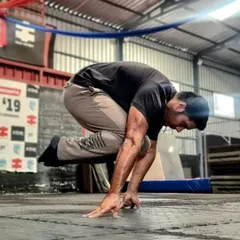
Master the Planche: Build Straight-Arm Strength
Master Advanced Calisthenics and Bodyweight Strength
More from Skill-Based Fitness Workshops by The Troop Fit
More services by The Troop Fit