Adaptive Reuse: Transforming Existing Structures into Hospitals
We specialize in the strategic conversion of commercial, residential, and ancillary buildings into fully functional, NABH-compliant healthcare facilities. By prioritizing adaptive reuse, we accelerate project delivery timelines and minimize environmental impact while optimizing urban infrastructure for modern patient care.
This image introduces our core philosophy on adaptive reuse as the future of urban healthcare. By repurposing existing buildings, we address the urgent need for medical facilities in dense urban areas, offering a sustainable and efficient alternative to new construction.
Our adaptive reuse strategy delivers cost-effective development by leveraging existing structures and provides significant environmental benefits by reducing construction waste and conserving resources. This approach is fundamental to building sustainable healthcare infrastructure.
A key advantage of adaptive reuse is a quicker project turnaround, which translates to faster access to care for the community. Furthermore, this method protects the urban character of a neighborhood, preserving its past while enabling a healthier future.
The Fortis Hospital in Greater Noida showcases a successful hotel-to-hospital conversion. The grand lobby, a remnant of its past, is reimagined as a welcoming, spacious reception area, demonstrating how hospitality-driven design can enhance the patient experience in a clinical setting.
Within the repurposed Fortis Hospital, the generous floor-to-floor heights of the original hotel structure allowed us to design spacious and comfortable multi-bed patient wards. Large windows ensure ample natural light, which is proven to aid in recovery and patient well-being.
The Fortis Hospital in Noida, once a hotel, now stands as a beacon of modern healthcare. This adaptive reuse project highlights our ability to integrate complex medical systems into existing frameworks, creating a fully functional hospital that serves the community.
The main lobby of the repurposed Fortis Hospital retains a sense of openness and grandeur. We designed the space with clear circulation paths and comfortable seating areas, ensuring that the first point of contact for patients is calm, organized, and reassuring.
Another view of the Fortis Hospital lobby highlights the successful integration of healthcare functions within a former hospitality space. The design balances clinical requirements with a warm, inviting atmosphere, proving that adaptive reuse can create superior patient environments.
The waiting area at Fortis Hospital is designed with solar passive principles, utilizing high-performance glazing to maximize natural light while minimizing heat gain. This sustainable approach reduces energy consumption and creates a pleasant, naturally lit space for patients.
The exterior of Fortis Hospital showcases how a building's facade can be redesigned for healthcare. The northern facade features a higher window-to-wall ratio, reducing the need for artificial lighting and lowering the hospital's carbon footprint.
About Adaptive Reuse: Transforming Structures into Healing Spaces
Converting an existing structure into a hospital requires more than cosmetic updates; it is an exercise in structural and systems engineering. Our adaptive reuse process, demonstrated in projects like the Fortis Greater Noida retrofit, prioritizes MEP rerouting and slab strengthening to support heavy medical equipment like MRI and CT scanners. We ensure that existing building envelopes are transformed into fully functional, NABH-compliant environments without the lengthy timeline of new construction.
Our approach to adaptive reuse in healthcare is rooted in the philosophy that the most sustainable building is the one that already exists. In dense urban contexts, constructing a hospital from the ground up is often hindered by land availability and regulatory complexities. Our brownfield revitalization strategy offers a viable alternative.
The Technical Foundation of Conversion
When we undertake an adaptive reuse project, such as the Northern Railway Diagnostic Centre in New Delhi, we perform a rigorous feasibility analysis of the existing floor plates and structural grids. This involves:
- Structural Retrofitting: We assess existing slab load-bearing capacities to determine if they can support the high-density requirements of imaging departments, often integrating structural interventions to house heavy medical equipment.
- MEP Integration: Navigating constrained ceiling heights to reroute heavy ducting, medical gas pipelines, and pneumatic chutes is a primary challenge. Our core-envelope strategy ensures that clinical workflows remain efficient despite the constraints of a non-purpose-built shell.
- Compliance Alignment: Converting offices or hotels into hospitals necessitates strict adherence to NBC fire safety norms and NABH accreditation standards. We reconfigure circulation paths, staircases, and egress points to meet these requirements while maintaining a healing environment.
Designing for Patient Outcomes
Beyond the technical conversion, we apply neuro-aesthetic principles to the interior. As seen in our conversion of the hotel-based Fortis Hospital, we reimagine lobbies as reset points. We utilize natural light and high-performance glazing to reduce patient anxiety, transforming what was once a commercial space into a calm, reassuring clinical environment. This approach bridges the gap between infrastructure efficiency and human-centric care, proving that adaptive reuse is not merely a cost-saving measure, but a powerful tool for modern healthcare accessibility.
Similar work from other experts
Browse through Curated picks from other experts on mytribe
 11
11
Adaptive Reuse Architecture and Heritage Retrofitting
 11
11
Adaptive Reuse & Heritage Conservation Architecture
 5
5
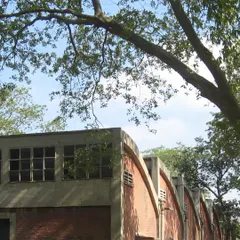
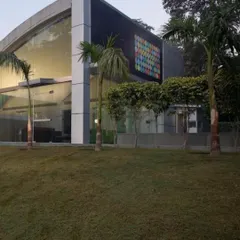
Adaptive Reuse Architecture: Breathing New Life into Old Spaces
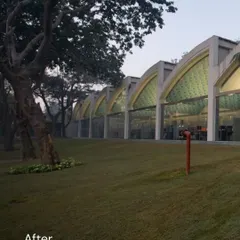
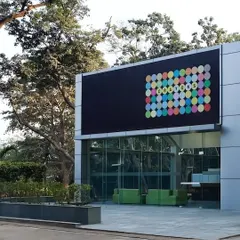
Adaptive Reuse: Transforming Industrial Structures
 13
13
Innovative Construction and Sustainable Building Solutions
Adaptive Reuse and Heritage Conservation Architecture
More from Healthcare Architecture And Design by Creative Designer Architects
More services by Creative Designer Architects