Understanding Your Pregnant Body and Anatomy
Your body is doing something incredible. Learn the science behind your physical changes and discover how you can support your own wellbeing throughout pregnancy.
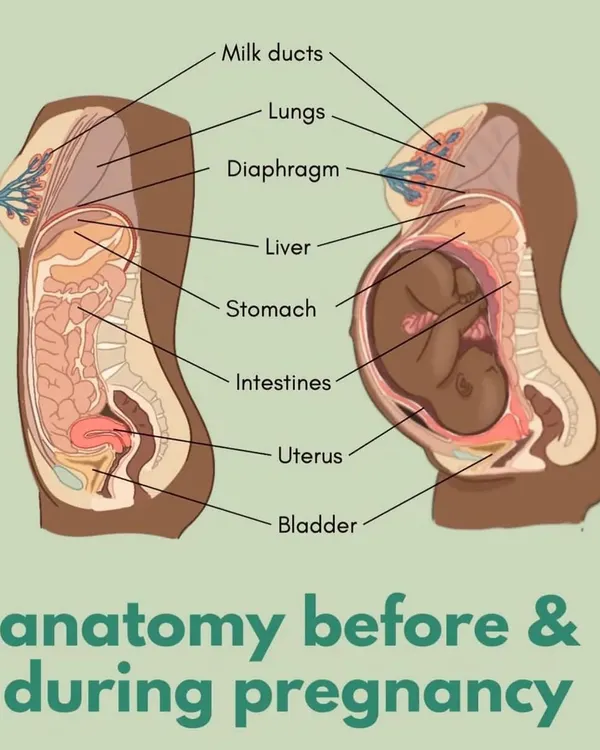
This anatomical illustration shows how your uterus expands and your internal organs shift to accommodate your growing baby. Understanding this helps appreciate the need for rest and gentle movement.
Round ligament pain is a common sharp pain felt in the lower belly or groin. This diagram shows where the ligaments are and why they stretch, causing discomfort as your uterus grows.
The placenta, or "tree of life," is a remarkable organ that you grow. It nourishes and protects your baby for nine months, and each one is as unique as a fingerprint.
A diagnosis of a "low-lying placenta" at a 20-week scan can cause unnecessary worry. In over 98% of cases, the placenta "migrates" up and away from the cervix as the uterus grows.
About Understanding Your Pregnant Body
Understanding your anatomy changes the way you view labor. In my sessions, we move beyond generic advice to look at how your uterus, ligaments, and pelvic structure actually function during pregnancy. When you know why you feel back pain or round ligament discomfort, you stop fearing it and start managing it with simple, effective adjustments.
Understanding your anatomy is the first step in reclaiming your birth experience. Many of the discomforts you face, from round ligament pain to lower back strain, are not just part of the process. They are signals.
Why Anatomy Education Matters
Most prenatal classes focus only on exercise. My approach is different. We look at the physiology of pregnancy. When you understand that your uterus is a muscle that changes shape and capacity, you can better appreciate why rest is essential, especially in the fourth trimester. We discuss how your pelvic inlet and outlet work, the role of your ligaments, and why movement is not just for fitness, it is for facilitating optimal fetal positioning.
The Science of Comfort
The Fear-Tension-Pain cycle is real. When you fear a sensation because you don't understand it, your body tenses up. This tension creates pain. By breaking down exactly what is happening inside, like why a low-lying placenta often migrates upward or why your round ligaments ache, we replace fear with knowledge.
Key Topics We Explore:
- The Fourth Trimester: Why healing your uterine ligaments requires more than the standard recovery window.
- Fetal Positioning: How daily movements like the Miles Circuit can encourage optimal baby positioning.
- Medical Literacy: Navigating your 20-week scan results or provider advice without unnecessary anxiety.
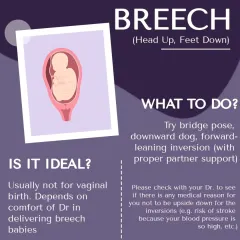
Knowledge is your most powerful tool for a calm, confident birth. Whether you need guidance on managing SPD, breech positioning, or simply want to understand your own body, I am here to help you navigate these changes.
Similar work from other experts
Browse through Curated picks from other experts on mytribe
Understanding Your Body & Baby During Pregnancy
 4
4
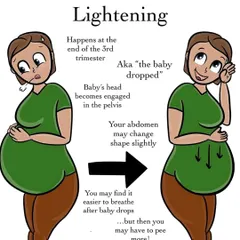
Your Pregnancy Journey: Trimester by Trimester Care
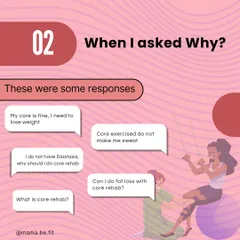
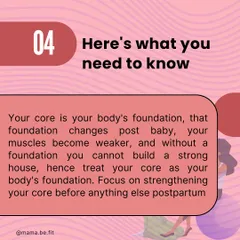
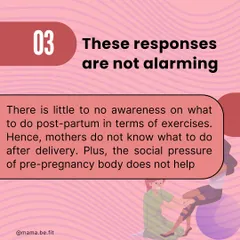
Understanding Your Postpartum Body: A Realistic Guide
 7
7

Evidence-Based Pregnancy Health and Wellness
Expert Guidance and Practical Tips for Your Pregnancy
 14
14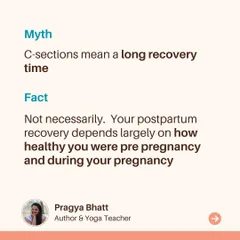
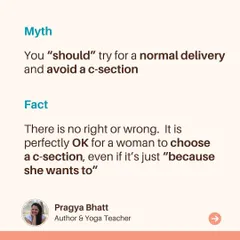
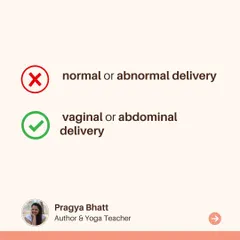
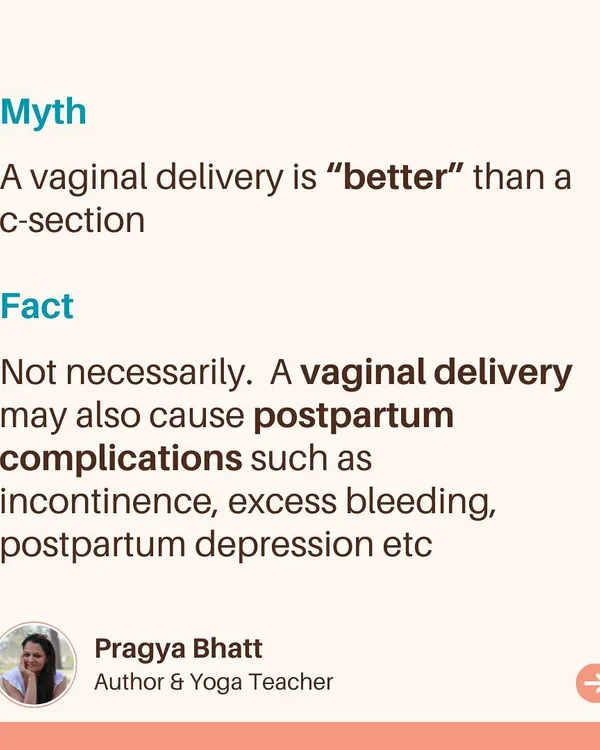
Maternal Wellness: Myths, Facts, and Supportive Yoga
More from Prenatal and Postnatal Fitness Classes by Pujitha Shetty
More services by Pujitha Shetty