Understanding Your Postpartum Body: A Realistic Guide
Your body isn’t broken, mama; it’s recovering. Learn what’s actually happening to your core, posture, and hormones after birth, and how to start moving forward.
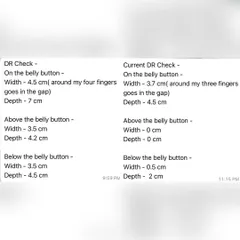
Pooja was told no diet or workouts after her baby. We started with slow core rehab to address her 3-finger diastasis gap and anterior pelvic tilt. This is her result after three months.
When I asked moms why they don't do core rehab, these were the responses. Many think they just need to lose weight, or that core exercises don't make them sweat.
Here's what you need to know: your core is your body's foundation. You cannot build a strong house on a weak foundation. Focus on strengthening your core before anything else postpartum.
These responses are not alarming because there is so little awareness about what to do postpartum. The social pressure to have a pre-pregnancy body doesn't help.
When I polled mothers if they have considered postpartum core rehab, 68% said no. This is why I am so passionate about educating mamas on this crucial step.
When you focus on core strengthening, posture alignment, and the right nutrition, weight loss will be a by-product. Chase health, and everything else will follow.
"I don't have diastasis recti, but my belly is still hanging." This can be due to loosened connective tissues or hormonal changes. Deep core work and the right nutrition are the answer.
Struggling to get back to fitness postpartum? The answer is always Core Rehab. It's the key to regaining strength, stability, and confidence.
Here is a timeline for what to do postpartum. From 4-8 weeks, focus on mobility and breathwork. From 10-14 weeks, progressively overload. After 14 weeks, you can move to bodyweight training.
Why is deep core training the most important thing after delivering your baby? It provides pelvic floor support, improves posture, enhances stability, and prevents injury.
About Understanding Your Postpartum Body
If you’ve lost the baby weight but still feel like you have a pooch, it isn't always about fat. Often, it's about intra-abdominal pressure—things like wearing binders too tight or chronic poor posture actually push your belly out. My approach isn't about sucking your stomach in; it’s about deep core breathing that releases that pressure and restores your actual resting shape.
When you look in the mirror postpartum, the frustration of not seeing your 'old self' is real. But understanding what actually happens to your body is the first step toward fixing it.
The Anatomy of Postpartum Change
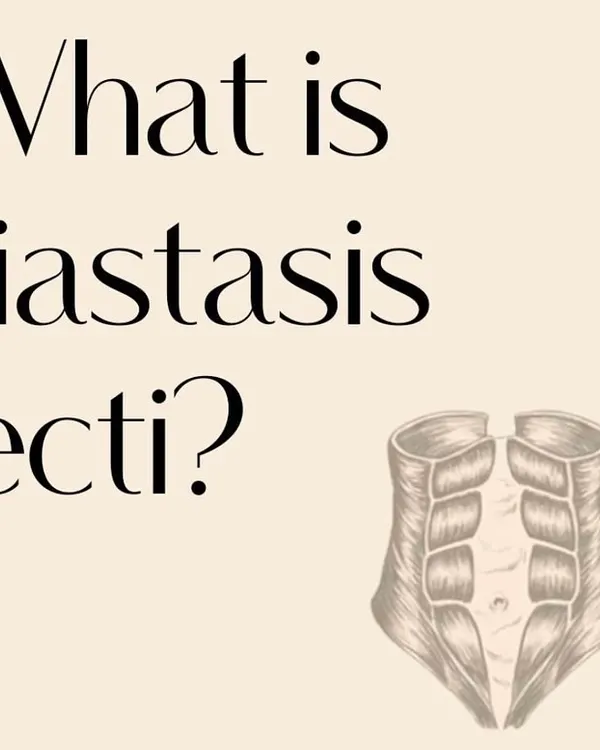
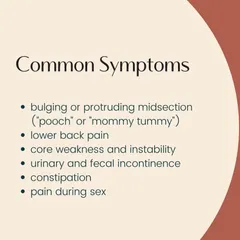
Pregnancy is a massive physical event. Your abdominal muscles stretch to accommodate your baby, leading to Diastasis Recti (DR), or abdominal separation. This isn't just an aesthetic issue; it's a structural one. When those muscles don't connect properly, your deep core—your body's internal corset—loses its ability to support you. This is why you might have back pain, feel unstable, or notice that your belly feels 'hanging' or soft even if you've lost weight.
Why 'Bounce Back' Fails
Most mainstream advice focuses on external solutions: core wraps, intense cardio, or crunches. These often work against you. Aggressive crunches can actually widen a diastasis gap, and binding too tight prevents your muscles from learning to support themselves. My program moves away from this. We focus on breathing techniques that re-engage your pelvic floor and deep abdominal wall.
A Gentle Roadmap to Recovery
- 4–8 Weeks: Focus on mobility, posture, and deep breathwork. This is about reconnection, not exertion.
- 10–14 Weeks: We begin progressive overloading. We build your capacity for daily tasks, from picking up your baby to carrying groceries, without strain.
- 14+ Weeks: If your intra-abdominal pressure is managed and your DR is under control, we transition to bodyweight strength training for stamina and stability.
Everything we do is designed to fit your life as a mother. We don't do crash diets that ruin your milk supply or endless gym sessions you don't have time for. We rebuild, one breath at a time.
Similar work from other experts
Browse through Curated picks from other experts on mytribe
 8
8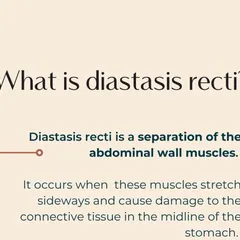

Navigating Your Postpartum Body Changes
Postpartum Recovery: Core Rehab from the Inside Out
Healing Your Core & Pelvic Floor After Baby
Restore Your Core: Post-Natal Recovery and Physiotherapy
Safe and Effective Postpartum Recovery Workouts
Postpartum Recovery and Core Rebuilding
More from Postpartum Fitness & Core Restoration by Mama Be Fit
More services by Mama Be Fit