Sustainable Lantana Furniture Design
We transform the invasive Lantana weed into durable, modular furniture. Our design process turns an ecological challenge in the Nilgiris into a functional material for modern interiors.
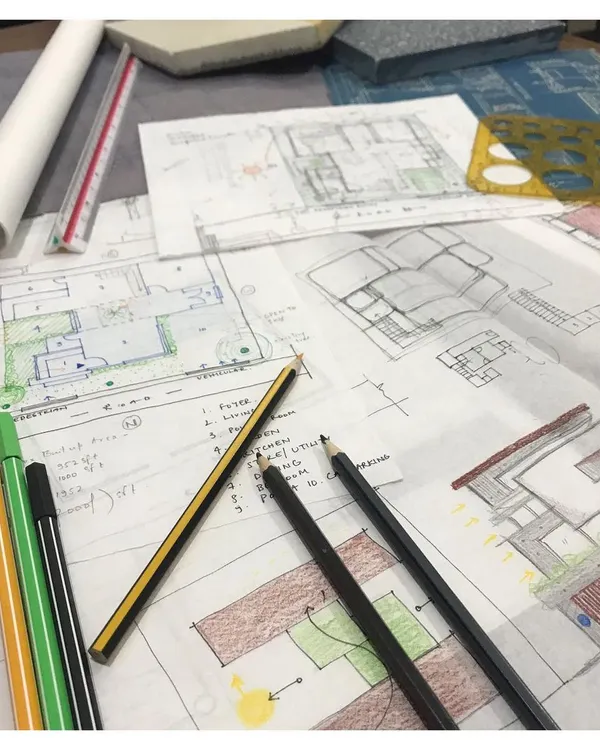
These technical drawings show a modular furniture system designed using Lantana. My exploration focused on using the material's inherent structural potential to create items like diwans and lounge chairs, moving beyond its use as a simple veneer.
A rendering of a library furnished with the proposed Lantana furniture. This project extended to designing modular units for a local school, creating reading nooks and storage that embody the principles of environmental and social sensitivity.
About Sustainable Innovation: Materials with a Purpose
Unlike timber or bamboo, Lantana camara presents significant structural inconsistencies that limit its use in traditional furniture joinery. We overcome this by treating it as a modular system rather than solid wood, designing reinforcement frameworks that allow this invasive weed to function as a durable, load-bearing material while maintaining its raw, textured aesthetic.
Material Innovation as Ecological Strategy
The Nilgiris landscape faces a constant challenge: the rapid spread of Lantana camara. As architects, we view this not just as an environmental issue but as a platform for material innovation. Our research-led approach focuses on harvesting this invasive plant to produce commercially viable furniture, effectively closing the loop between ecological restoration and craftsmanship.
Designing for Material Potential
We prioritize material honesty in every design. Lantana offers a unique texture and rigidity when harvested correctly, but it demands a specific manufacturing logic. We avoid treating it as a simple veneer or decorative filler. Instead, our team explores its potential as an independent structural member. By developing modular diwans, lounge chairs, and library storage units, we demonstrate how this material can transition from a forest nuisance to a permanent, functional fixture in schools and homes.
Social and Ecological Impact
Our work is fundamentally people-centric. We collaborate with local communities, teaching them to harvest and process the material, which creates a sustainable livelihood rooted in their geography. By clearing Lantana from forest peripheries, we actively assist in local afforestation and biodiversity recovery. This process ensures that the value created stays within the community that manages the land.
The Prototyping Journey
Every prototype undergoes rigorous testing for structural integrity. Whether designing reading nooks for the Zara Global School or developing seating modules for private farmhouses, our process remains transparent. We document both the functional capabilities and the limitations of the material, ensuring that the final output is contextually appropriate and durable. If you are interested in incorporating circular, eco-sensitive materials into your next interior project, we invite you to discuss the potential of our current prototyping process.
Similar work from other experts
Browse through Curated picks from other experts on mytribe
Sustainable Bamboo Architecture & Custom Structures
 14
14
Upcycled Architecture: Giving Waste New Life
 17
17
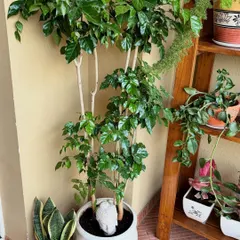

Upcycled Garden Displays in North Bengaluru
 22
22
Upcycled and Sustainable Art Commissions
 5
5
Our Approach to Building Your Sustainable Green Haven
 10
10
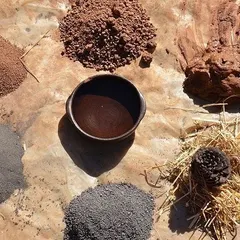
The Craft of Design: Sustainable Materials and Process
More from Landscape Architecture by Betweenlines
More services by Betweenlines