Youth Athlete Development Program: LTAD & Performance
We build athletic foundations based on data, not guesses. Our program focuses on movement literacy, safe strength progression, and long-term health for athletes aged 8-14.
We build athletes for the long term. Our Long Term Athlete Development (LTAD) program focuses on age appropriate training, building fundamental movement skills, and preventing early burnout. This video shows how we develop young athletes with a structured, scientific foundation.
We recently conducted a fitness assessment drive at a local school to identify raw athletic talent. This video shows our team evaluating students on key physical parameters like posture, mobility, power, and agility to find the next generation of athletes.
This series of posts addresses common warning signs in young athletes. The first sign we address is the importance of preparing the body for the demands of sport to ensure they can grow and compete injury free.
Sign #1: Recurring small injuries. Nagging strains, rolled ankles, or knee pain in a young athlete often signal underlying issues like muscle imbalances or inefficient landing mechanics. Our youth programs build eccentric strength and refine movement patterns to create stable, injury free athletes.
Sign #2: Slow sprint speed or low jump height. Difficulty with explosive movements often points to a poor rate of force development or an underdeveloped posterior chain. We train sprint mechanics and reactive plyometrics to improve power output.
Sign #3: Poor movement mechanics. How an athlete moves is critical. We use Functional Movement Screening (FMS) to identify red flags like knee collapse or poor core control, then design corrective strategies to build safe and efficient movement patterns.
Sign #4: Low confidence in game situations. Hesitation in sport often stems from a lack of physical capacity. We build confidence by developing resilient mind body coordination through progressive overload and sport specific conditioning.
Sign #5: Poor recovery after training. If fatigue lingers for days, it can indicate a weak strength foundation or an underdeveloped aerobic system. We teach young athletes how to recover smarter by tracking recovery metrics and applying proven methods.
About Youth Athlete Development Program
We monitor Peak Height Velocity to adjust training loads specifically for your child's growth stage. By tracking this biological maturity marker, we ensure the training volume is appropriate, preventing the common pitfalls of excessive load on developing joints.
Youth sports training often fails because it applies adult methods to developing bodies. Our program utilizes Long Term Athlete Development (LTAD) principles to bridge that gap. We focus on movement literacy first, refining foundational patterns like the squat, lunge, push, and pull before adding resistance. This establishes the structural integrity required for higher intensity work later.
We integrate neuro-coordination work using agility ladders and reactive drills, which improves the central nervous system's ability to fire muscles in sequence. This is critical during the pre-pubescent years. Furthermore, our injury prevention protocols target specific joint stability, particularly at the ankles and knees, where growth-related pain is most common.
Every training block is periodized. We do not just train; we track month-on-month progress using metrics like jump height and sprint speed. This data tells us if the nervous system is adapting or if the athlete needs recovery. By focusing on physical literacy and biomechanical efficiency, we prepare young athletes to compete safely, regardless of their sport.
Similar work from other experts
Browse through Curated picks from other experts on mytribe
 8
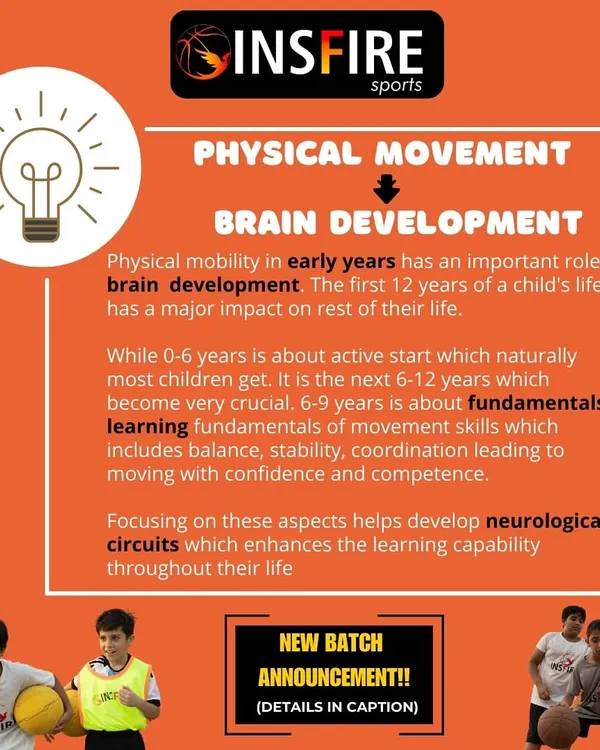
8Youth Athletic Development for Kids Aged 6-12
 7
7

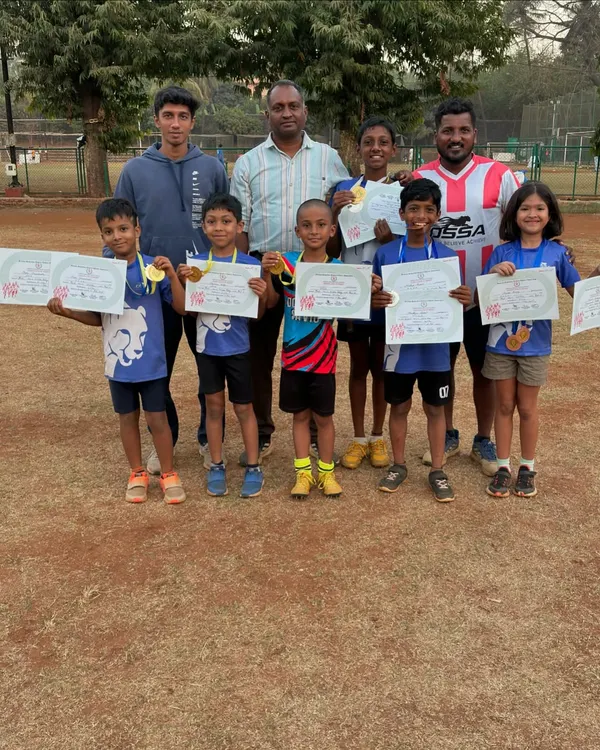
Youth Athlete Development: Building Speed, Agility, and Discipline
Youth Athletics and Sprint Training Program
Strength and Conditioning for Young Athletes

Youth Athletics Training in Noida
 20
20


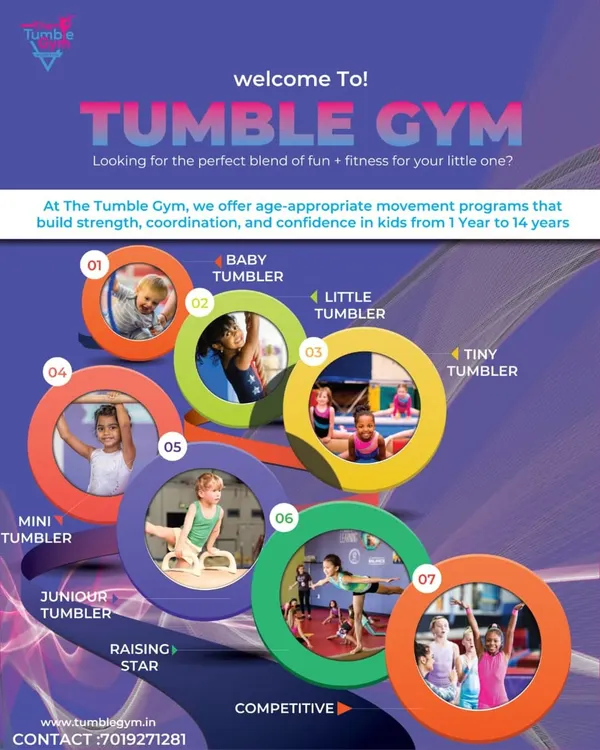
Gymnastics Programs for Every Age
More from Scientific Athlete Assessment & Development by Athletes Lab
More services by Athletes Lab