Sports Science Explained: Data-Driven Athlete Training
Stop guessing and start measuring. We decode the mechanics behind your athletic performance—from genetic potential to metabolic efficiency—to build a training blueprint that actually works.
Did you know your genetics can influence your athletic potential? Our Head of Performance explains the ACTN3 gene, also known as the "speed gene," and how understanding your genetic makeup can help you train the way your body was built to perform.
If you want to be fast, you have to train fast. This video explains the science behind speed development. Sprinting rewires the brain to send faster signals to your muscles, improving your body's ability to exert power with minimal ground contact time.
For endurance athletes, VO2 Max is the engine. This infographic series is for distance runners looking to understand one of the most critical metrics for performance. A higher VO2 Max allows your body to use more oxygen, leading to better endurance.
What is VO2 Max? This graphic explains the concept in simple terms. It is the maximum amount of oxygen your body can utilize during intense exercise, measured in ml/kg/min, and is a key indicator of your aerobic fitness level.
About Sports Science Explained
We move past generic fitness advice by quantifying exactly how your body operates under load. Whether we are analyzing your ACTN3 genotype to determine your speed potential or utilizing force plates to identify energy leaks in your movement, our focus remains on hard data. You won't find one-size-fits-all routines here; you will find a training blueprint engineered specifically for your unique biomechanical profile.
Bridging Science and the Field
Most training fails because it relies on assumptions. At our facility, we replace 'feeling' with objective metrics. When you engage with our sports science protocols, you are entering an environment where physiology dictates the programming.
The Mechanisms We Monitor
- Genetic Potential: We analyze biomarkers like the ACTN3 gene to understand your predisposition toward power vs. endurance. This allows us to calibrate your training intensity and focus areas based on your biological baseline.
- Metabolic Efficiency (VO2 Max): We test your aerobic ceiling to determine the engine behind your performance. By monitoring how your body utilizes oxygen during intense exertion, we can optimize your endurance threshold.
- Kinetic Chain Integrity: Through biomechanical screening, we map your movement patterns. We look for 'energy leaks'—such as knee valgus or scapular dyskinesis—that hamper performance and act as precursors to injury.
Why This Matters
When we talk about 'high performance,' we are referring to the application of physics to your sport. If you are a sprinter, we analyze your ground contact time and force production to rewrite your neuromuscular signaling. If you are an endurance athlete, we focus on lactate thresholds and oxygen consumption.
We train the system, not just the muscle. By integrating data from your assessment into our VBT (Velocity-Based Training) cycles, we ensure that every session you perform is calibrated to hit the exact adaptation threshold your body needs to grow, without inducing unnecessary fatigue.
Similar work from other experts
Browse through Curated picks from other experts on mytribe


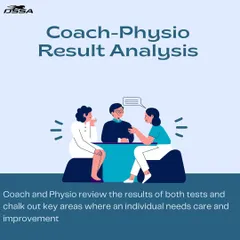
Our Scientific Approach to Athletic Training
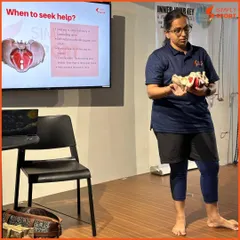
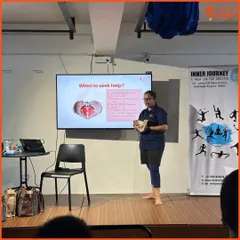
High-Performance Athlete Assessments and Elite Trial Protocols
 8
8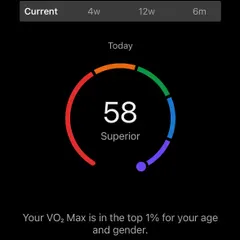
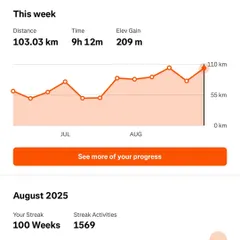
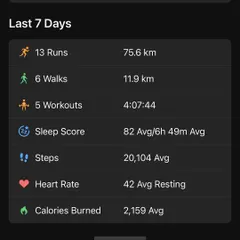
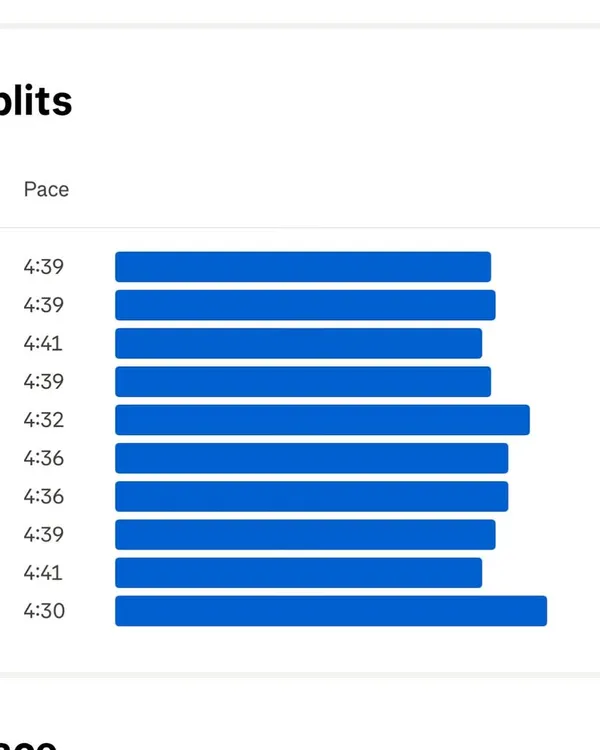
Precision training plans based on your actual race data
Explosive Power & Speed Training for Athletes

High Performance Athlete Coaching & Sport Science
 10
10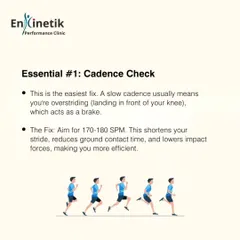
Run Faster: Proven Principles to Break Your Plateau
More from Scientific Athlete Assessment & Development by Athletes Lab
More services by Athletes Lab