Therapeutic Yoga Asanas for Pain Management
I use traditional Hatha yoga postures to help you move past physical discomfort. From sciatica relief to pelvic floor stability, these sequences are designed to balance your body and restore your natural ease.
This video demonstrates a sequence of yoga asanas specifically designed for sciatica pain relief. I guide students through poses like Pigeon Pose and Cobra Pose to stretch the piriformis muscle and strengthen the back.
Here, I guide a student through exercises to strengthen the pelvic floor muscles. Poses like Mula Bandha, Malasana, and Setubandhasana are essential for core stability, bladder control, and overall pelvic health.
This sequence shows how to activate the seven chakras with seven corresponding yoga poses. We move from the grounding Tree Pose for the Root Chakra to the elevating Headstand for the Crown Chakra.
Using props like a TRX and step block, I guide students through advanced stretches for hamstring and hip flexibility. These targeted exercises are also highly effective for relieving back pain associated with sciatica.
Two students practice Matsyasana, or Fish Pose. This heart-opening backbend stretches the chest and neck, relieves stress, and stimulates the throat chakra, promoting a feeling of peace and relaxation.
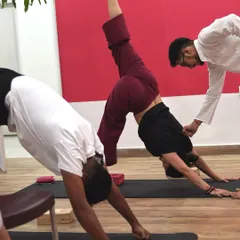
A student demonstrates a powerful hip-opening asana. Such poses are crucial for releasing stored emotional tension and improving flexibility in the lower body.
This illustration explains the physical and mental benefits of Balasana, or Child's Pose. It is a fundamental resting posture that I teach to stretch the back, calm the mind, and promote a sense of security.
About Therapeutic Yoga Asanas
When you work on therapeutic asanas with me, we do not just hold poses to look flexible. We focus on the 'why' and the mechanics of the body. For instance, when we address sciatica, we do not just stretch the glutes; we carefully sequence movements to decompress the sciatic nerve without aggravating the inflammation. It is about understanding which Bandha to engage or which breath pattern to use at that exact moment to signal your nervous system to release tension.
A Functional Approach to Healing
Therapeutic yoga is not a passive activity. It is the active process of re-aligning your body. Whether you are dealing with chronic back pain, sciatica, or pelvic floor weakness, the goal is to stop treating the symptoms and start correcting the source of the imbalance. In our sessions at Adi Anant Yoga Studio, we move beyond generic yoga. We utilize the Hatha tradition to isolate specific muscle groups, strengthen the core, and improve structural alignment.
How We Address Common Ailments
- Sciatica & Back Pain: Through poses like Eka Pada Rajakapotasana (Pigeon Pose) and Bhujangasana (Cobra Pose), we target the piriformis muscle and the spinal erectors. This relieves the compression on the sciatic nerve. It requires consistency and the right alignment, which I ensure during our sessions.
- Pelvic Floor Health: Issues here often stem from a weak or overly tight core. We use Mula Bandha (Root Lock) combined with Malasana (Garland Pose) and Setubandhasana (Bridge Pose) to restore muscle tone and pelvic stability.
- Chakra & Energy Flow: Physical pain often carries emotional baggage. By holding specific postures, we stimulate the energy meridians associated with the seven chakras. This helps in releasing stored tension, which is often as important as the physical stretch itself.
Why Practice With Me?
This is not a space for shortcuts. Real transformation in the body takes time, patience, and the right guidance. I do not promise magic; I offer a methodology based on traditional wisdom and anatomical awareness. If you have a specific injury or a recurring issue, bring it to the mat. We will work through it, step by step, until your body feels like home again.
Similar work from other experts
Browse through Curated picks from other experts on mytribe

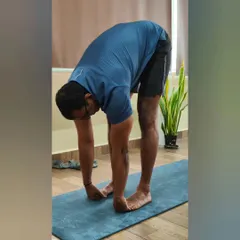
Yoga for Back Pain and Flexibility in Arekere
Yoga for Pain Management and Back Relief
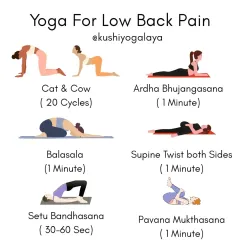
Yoga for a Strong Back & Pain Relief
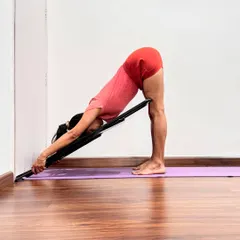
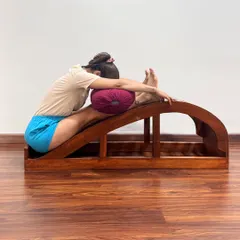
Therapeutic Iyengar Yoga for Pain and Injury Management
Therapeutic Yoga for Pain and Ailment Management
Yoga Solutions for Back Pain and Sciatica
More from Wellness & Healing Therapies by Adi Anant Yoga Studio
More services by Adi Anant Yoga Studio