Exploring Architecture: Design, Sustainability, and Well-being
Architecture is a continuous dialogue about building better, more responsible spaces. Here, I share the articles, talks, and stories that shape my approach to sustainable, human-centric design.
I was honored to be a speaker at The Liveable Cities Conclave. I believe sharing knowledge on environmentally sustainable design is crucial to building a better future for our cities.
In conversation with Nirmal Kishnani on the Ecogradia podcast. We discussed the important bridge between social and environmental goals in design, a topic that is at the core of my practice.
An excerpt from an article where I share my design philosophy for the Butterflies Centre. I believe a place for children should be one they can explore and make their own, full of corners and pathways to discover.
This article clipping discusses the innovative and flexible structure of the Butterflies Centre. The design's DNA is its spatial structure and material innovation, making it a replicable solution for urban regeneration.
Listen to Rita Panicker of Butterflies NGO discuss the positive atmosphere of the building. It is always rewarding to hear from the people who use the spaces we design.
Architect Chetna Singh talks about the 'Donor's Tree' artwork at the Butterflies Centre. This is a wonderful example of how art can be integrated to tell a story and represent the spirit of a community.
In this clip, I discuss the idea of the rooftop as the 'new ground' in dense urban areas. We must use every surface intelligently, harnessing the sun for energy and creating new spaces for life.
Here I speak about my personal vision for the Butterflies Centre. The goal was to create a place of exploration and freedom, allowing children to connect with the building and its spaces on their own terms.
An article explaining the core mission of the Butterflies Centre. The design provides a robust yet flexible home for children, integrating artwork and natural materials to create a place of aesthetic delight.
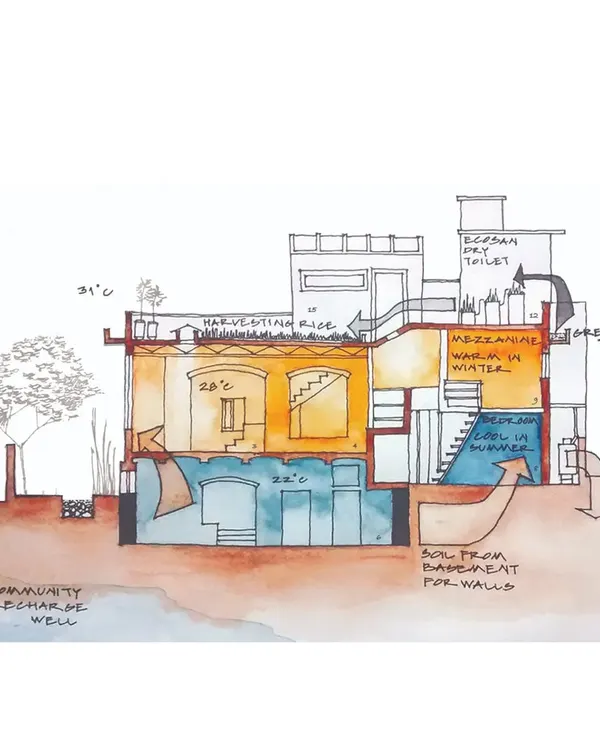
This clipping details the low-carbon construction methods we employed. Using excavated soil for walls and reusing old doors are practical examples of our eco-friendly approach.
About Conversations on Architecture
When I write or speak about architecture, my goal is not to present abstract theories. It is to explain how our daily environment—the way light hits your wall or how air moves through a courtyard—directly influences your sense of well-being. Understanding these simple, passive techniques is the first step toward building a home that feels alive and truly yours.
Architecture is more than just construction; it is a way of seeing the world. Whether I am discussing my work on the Butterflies Resilience Centre in Delhi or sharing insights on the Ecogradia podcast, the core message remains the same: buildings should be as natural as the landscapes they inhabit.
The Social and Environmental Bridge
My practice is built on the belief that social goals and environmental consciousness are inseparable. In my discussions at events like the Liveable Cities Conclave, I often highlight how we must stop treating rooftops and courtyards as afterthoughts. By viewing the roof as the 'new ground' in dense urban settings, we can integrate solar energy and green spaces, making city living more breathable.
Practical Sustainability
I believe in transparency regarding how we build. My writings often dive into the technicalities of why I choose specific materials—like excavated earth for walls or upcycled doors from old havelis. These aren't just aesthetic choices; they are practical, low-carbon solutions that reduce energy dependence. For instance, the Butterflies project allowed me to demonstrate that low-cost, sustainable architecture is not only possible but replicable for urban regeneration.
Why This Matters
If you are looking to build a space, consider how it interacts with the sun and wind. My articles and talks, such as those featured on platforms like STIR World, break down these concepts. From the 'Aakash Chowk' courtyards in our campus projects to the smart ventilation systems in our corporate offices, the objective is always to ensure that the building works for you, not the other way around. I encourage you to read these insights to understand how passive design can create a lasting sense of comfort.
Similar work from other experts
Browse through Curated picks from other experts on mytribe
 10
10
Designing for People & Planet
 13
13
Our Architectural Voice: Insights on Design and Legacy
 36
36
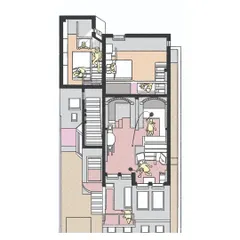
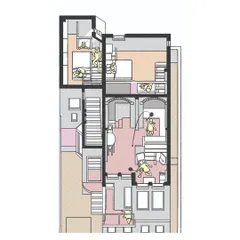
Architectural Design and Technical Blueprints
Our Perspective: Architectural Talks and Insights
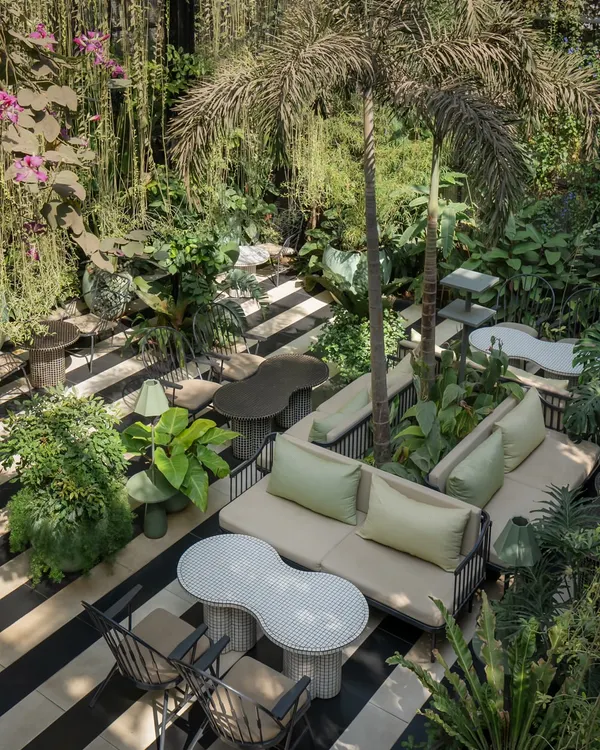 9
9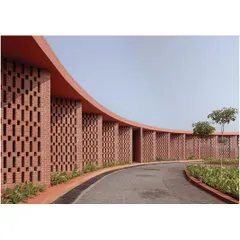
Featured Architectural Projects and Design Philosophy
 14
14
Our Architecture Design Philosophy
More from Commercial & Institutional Architecture by Ashok B Lall
More services by Ashok B Lall