Pro Art Techniques and Tips to Level Up Your Work
Improve your art skills with these foundational techniques. From understanding colour value to mastering blending and layering, learn how to take your artwork to the next level.
Let's talk about value! In art, value refers to the lightness or darkness of a color. This image shows how you can create different values simply by varying the pressure of your pencil.
Layering is a fundamental technique for creating rich, deep colors with colored pencils. This image demonstrates how applying light layers on top of each other builds beautiful complexity.
Did you know you can use a Q-tip for blending? This is a great, simple technique for smoothing out colored pencil or pastels to create soft gradients, as shown in this cactus drawing.
What's the difference between blending and burnishing? This helpful illustration shows how blending creates a soft effect, while burnishing with heavy pressure creates a bright, saturated, and glossy finish.
About Pro Tips: Learn the Techniques
You can achieve a smooth gradient without expensive blending tools by using a simple Q-tip. It is one of our favourite studio hacks for blending coloured pencils or pastels. Use the soft cotton tip to gently buff your colours, and watch those harsh edges soften instantly. This trick is effective, affordable, and helps your drawings look polished in seconds.
Mastering the basics is the fastest way to feel confident with your art. Here is how we break down the fundamental techniques:
Understanding Value Value is simply the lightness or darkness of a colour. You do not need a fancy set of pencils to create depth. By varying the pressure of your hand, you can create a full range of tones. Light pressure creates a soft, airy look, while heavy pressure gives you deep, saturated colour.
The Art of Layering Do not try to get your final colour in one go. Instead, build it up. Start with light layers, cross-hatching, or circling your pencil to deposit pigment. This creates a richness that you cannot get from a single heavy stroke.
Burnishing for Polish Once you have layered your colours, you might see tiny white specks of paper showing through. This is called the 'tooth' of the paper. Burnishing involves using heavy pressure to grind the wax or oil-based pigment into that tooth. It fills the gaps and leaves you with a bright, glossy finish that looks like a painting.
If you want to try these techniques under guidance, join us for a weekend workshop. We provide all the materials, including professional-grade pencils and paper, so you can just focus on creating.
Similar work from other experts
Browse through Curated picks from other experts on mytribe
 17
17
Art Fundamentals & Tips: Simple Guides to Start Painting
Mastering Watercolor Painting Foundations
Vibrant Expressions: Pastels & Color Pencils
Mastering Colour & Composition Techniques
 7
7
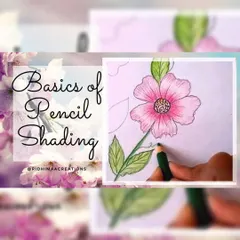
Art Basics & Creative Tips for Beginners
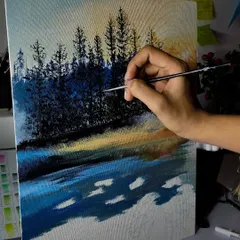
Acrylic Painting: Learn to Layer and Blend
More from Art Classes and Workshops by YoungPlum