Yoga Blocks and Straps: Enhance Your Practice in Kurla
Props are not just for beginners. Whether you need support for deep stretches or better alignment in standing poses, using blocks and straps helps you practice safely.
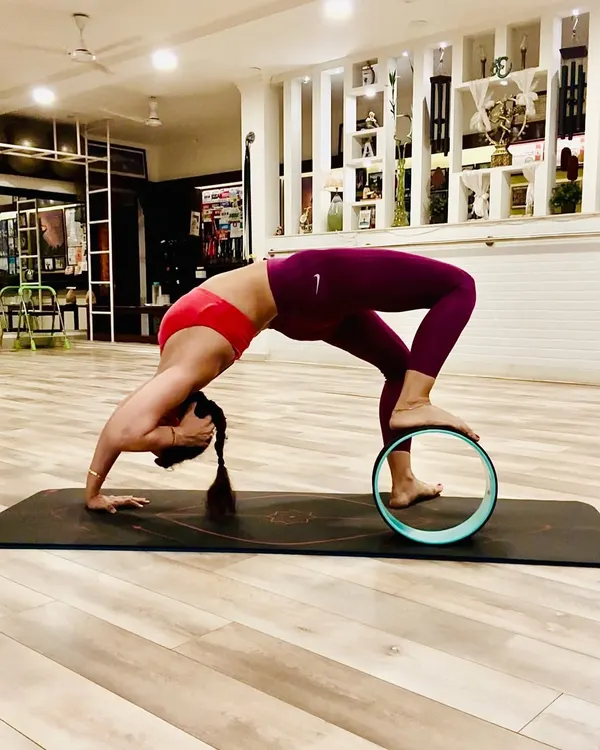
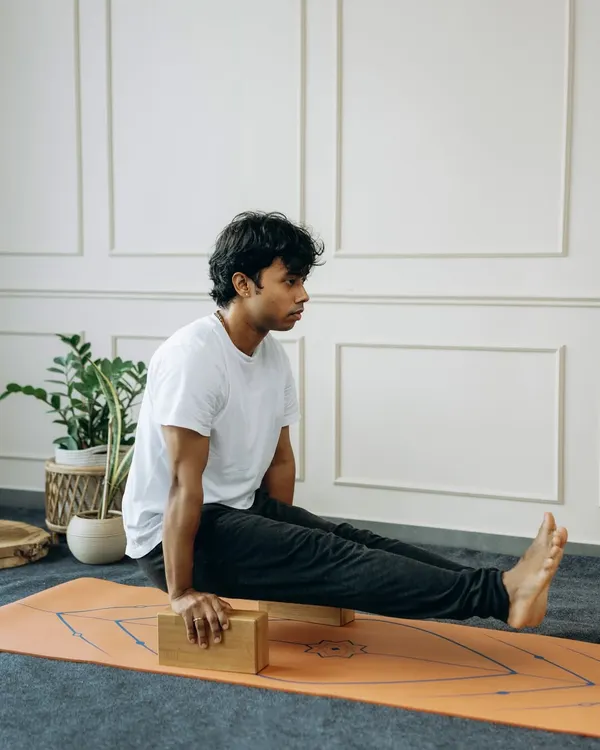
This video provides a tutorial on how to use a yoga block for various standing exercises. Using a block can help improve balance, alignment, and engagement of the correct muscles.
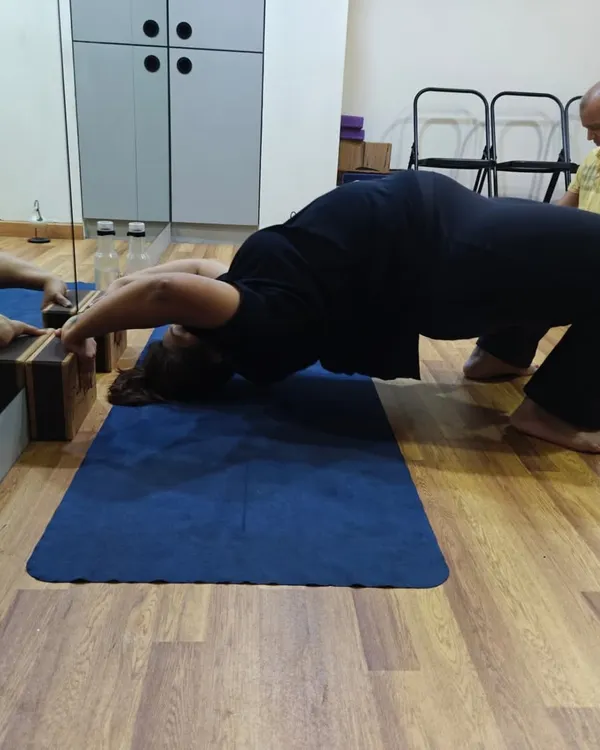
Watch how a simple yoga block can be used to add variation and support in poses like Ustrasana (Camel Pose) and seated side bends. You will learn to be creative and resourceful as a teacher.
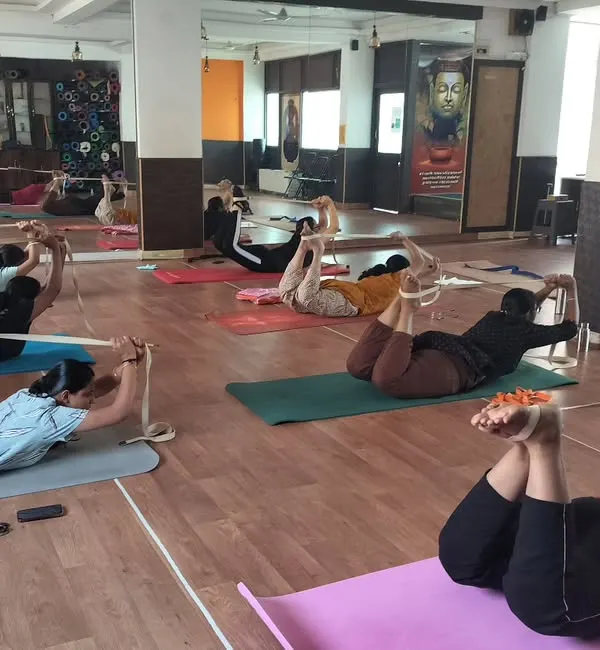
A yoga strap is an excellent tool for increasing flexibility. Here, students use straps to achieve a deeper backbend in Eka Pada Rajakapotasana (One Legged King Pigeon Pose), opening the shoulders and chest safely.
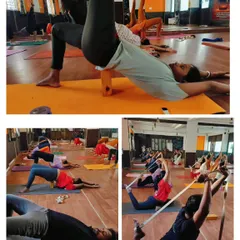
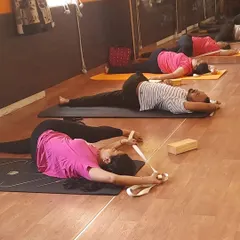
Our group class is seen here incorporating yoga blocks into their workout. Learning to lead a class with props is a key skill for a versatile yoga instructor.
About Enhance Your Practice: Using Props like Blocks & Straps
I often see students pushing too hard and risking injury because they skip these tools. Using a block for Ustrasana or a strap for Eka Pada Rajakapotasana changes the game entirely. It lets you focus on your form rather than just fighting for depth, which is exactly how we approach our sessions at my Kurla and Chembur locations.
Why use props in your practice?
Many students think props are only for those who are 'not flexible enough.' This is a misconception. In my classes, whether we are doing Hatha or Ashtanga, I encourage using blocks and straps to make the practice sustainable. Here is how they help:
- Yoga Blocks: Use these to bring the floor closer to you. In standing poses like Trikonasana, a block prevents you from collapsing your chest, allowing for better lung expansion. In my Power Yoga sessions, they provide the stability you need to hold poses longer and build real endurance.
- Yoga Straps: When you cannot reach your foot in a deep backbend, a strap becomes an extension of your arm. It allows you to safely open your shoulders and chest without straining your lower back. I specifically teach this technique to students working on poses like Eka Pada Rajakapotasana (One-Legged King Pigeon Pose).
Integrating props into teacher training
If you are planning to become an instructor, mastering these tools is non-negotiable. During my 3-month teacher training course in Kurla, I dedicate time to prop-usage because knowing how to modify a pose is what separates a good teacher from a great one. You need to know how to help a student with tight hamstrings or limited mobility by offering them a safe alternative, rather than forcing a standard pose.
Join a session in Mumbai
I conduct training across multiple centers in Kurla and Chembur, including Prabodhan Prayog Ghar and Aamchi Shala. We keep the batches small—10 to 15 students—so I can personally check your alignment and show you exactly how to use blocks and straps to suit your unique body type. If you are ready to stop struggling and start progressing, join us for a class.
Similar work from other experts
Browse through Curated picks from other experts on mytribe
 6
6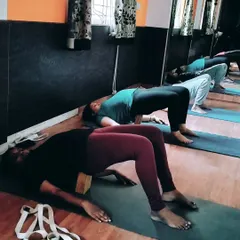
Yoga with Props: Deeper Stretches & Better Alignment
 8
8
Yoga with Props: Find Alignment and Stability
 22
22
Master Difficult Yoga Poses with Essential Props
 5
5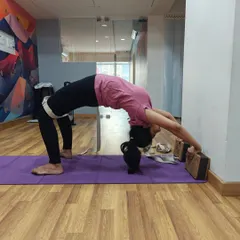
Yoga with Props: Safe Alignment and Deepened Practice
Deepen Your Yoga Practice With Props
 28
28
Mastering Yoga Poses with Props: Alignment and Depth
More from Yoga Teacher Training Course by YogaWithRajani
More services by YogaWithRajani