Materiality and Detail in Spatial Design
Design is a tactile conversation. By manipulating texture, weave, and print, we transform surfaces into evocative layers of meaning that allow a space to tell its own story.
We believe material is a medium for storytelling. This close-up of our 'Soil' installation for ColourNext reveals text debossed into an earthen texture. It highlights our focus on the tactile and sensorial, transforming a raw material into an artistic and communicative surface.
A close-up of fabric from our 'Cherish' installation. The image shows the raw, frayed edge of the textile and the interaction between a printed pattern and the weave of the cloth, demonstrating our attention to the finer details of material expression.
Typography printed on layered, semi-translucent fabric for the 'Cherish' theme. This technique creates a sense of depth and softness, allowing the words to feel like a gentle, integrated part of the material itself.
A macro view of the layered fabric from the 'Cherish' installation. The focus on the edge of the material reveals the subtle texture of the weave and the precise application of typography, showing how every tiny aspect adds to the narrative.
About The Art of Material & Detail
We do not merely apply surface finishes; we manipulate physical elements to guide the viewer’s narrative. For our ColourNext installations, this involved debossing typography directly into earthen soil structures and layering text on semi-translucent fabrics to catch light. These choices are deliberate engineering decisions about how a material ages, how it reflects light in a high-traffic environment, and how it feels to the touch.
For us, the process of design is an exercise in restraint and discovery. We believe that when you remove the noise, the raw quality of the material—be it soil, copper, or paper—is what anchors a space.
The Poetics of Surface
Our approach to spatial design and installation art relies on the friction between intention and improvisation. In our work with Asian Paints, we treated soil not just as a visual element, but as an architectural one. We researched grain sizes and binding agents to ensure the debossed text remained legible while retaining the raw, uneven texture of the earth.
Tactile Communication
We apply this same rigor to fabric and print. When we work with textiles, we analyze the weave, the fray of the edge, and the way ink bleeds into the fiber. This is not about decoration; it is about communication. When a visitor walks through a space, the tactile environment should trigger a memory or an emotion.
Technical Expertise
Our studio operates at the intersection of traditional craft and modern technology. We often mock up surfaces to test how lighting interacts with matte versus gloss finishes. Whether we are designing a corporate identity system or a walk-through sensory experience, our goal is to create a sense of place that feels lived-in and honest. We look for the story that the material itself wants to tell, and our job is simply to structure the environment so that voice can be heard.
Similar work from other experts
Browse through Curated picks from other experts on mytribe
 9
9
The Art of Detail in Interior Design
The Art of Materiality: Creating Textural Depth in Interiors
 11
11
Designing Spaces Through Materiality and Detail
 11
11
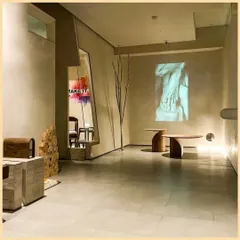
The Art of Detail in Luxury Interior Design
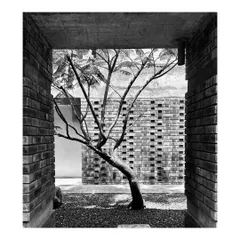
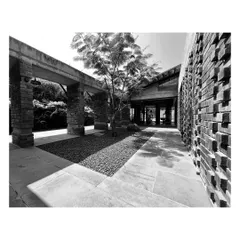
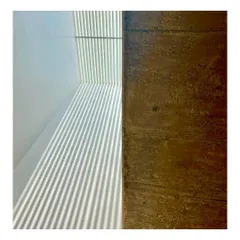
Creating Architectural Interiors Through Light and Texture
 12
12
Art, Materiality & Detail: The Soul of the Space
More from Branding & Graphic Design by Wari Watai
More services by Wari Watai