Featured Healthcare and Institutional Design Projects
A look into our architectural philosophy—where we balance technical precision with the quiet, restorative power of space. We design for longevity, efficiency, and the human experience.
This cover feature on our work highlights a core belief: integrating green spaces into hospital infrastructure is essential for healing. We design healthcare campuses where nature is not an afterthought but a fundamental component of the recovery process, providing restorative views and calming outdoor areas for patients and staff.
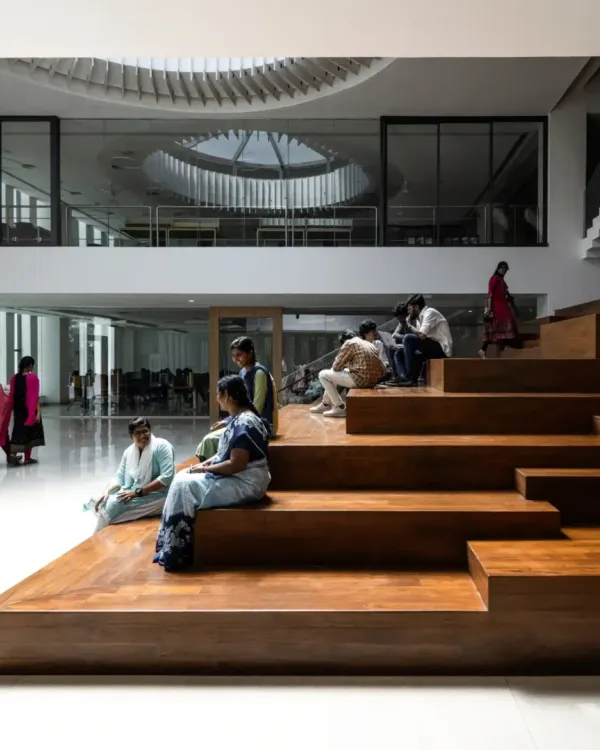
A hospital waiting area should be a space of calm, not anxiety. We achieved this through a clean, intuitive layout, warm materials like the wood-paneled ceiling, and soft, indirect lighting. The design minimizes clutter and noise, creating a serene environment that supports patient well-being from the moment they arrive.
Designing a Neonatal Intensive Care Unit (NICU) requires a deep understanding of both medical technology and human vulnerability. This space is meticulously planned for staff efficiency, with clear sightlines and organized equipment, while also incorporating elements like controlled lighting and acoustic separation to create a low-stress, healing environment for our most fragile patients.
True sustainability in architecture rests on three pillars: environment, economy, and equity. This principle guides all our projects, including healthcare facilities. We design buildings that are not only energy-efficient and ecologically sensitive but also economically viable and accessible to all members of the community they serve.
Every project begins as a conversation between a pen and paper. This video offers a glimpse into our design process, where initial sketches explore spatial relationships, circulation paths, and the building's response to its context. These early drawings are the DNA of the final design, embedding our core ideas into the structure from the very beginning.
As architects, we have a responsibility to the future. Our partner, Alpana Gupta, reflects on how each design decision is weighed against its long-term impact. We strive to create healthcare facilities that not only meet today's needs but also possess the flexibility and timeless quality to serve generations to come.
With a legacy spanning 60 years and over 300 million square feet of delivered projects, our experience is the foundation upon which we build. This oculus, framing a tree within the building, symbolizes our philosophy of integrating nature and structure, a hallmark of our work across numerous large-scale institutional projects.
About Featured
When we approach healthcare interiors, our focus moves beyond aesthetics to clinical flow efficiency. We map nurse-to-patient pathways to reduce physical fatigue, while integrating anti-bacterial materials that ensure sterilization without creating a clinical, cold environment. Every ceiling plan is coordinated with Medical Gas Pipeline Systems (MGPS) and HVAC loads long before construction begins, ensuring that infrastructure remains hidden but entirely accessible for future maintenance.
Our Design Philosophy in Practice
For us, architecture is a multidisciplinary practice that bridges the gap between today’s operational needs and the future’s changing requirements. Since 1964, our approach has been defined by the principle that 'less is more'—we build only what is necessary, ensuring the footprint we leave is as light as possible.
The Healthcare Approach
Our hospital design goes beyond walls and roofs. We prioritize patient-centric medical planning, ensuring strict separation of sterile and non-sterile corridors according to NABH guidelines. By integrating biophilic design elements—such as indoor green pockets and natural daylighting—we create environments that actively support recovery. We balance these soft elements with rigorous technical coordination, including clash-free BIM modeling for heavy electrical loads and hospital-grade acoustic architecture to dampen noise in recovery zones.
Sustainable Institutional Infrastructure
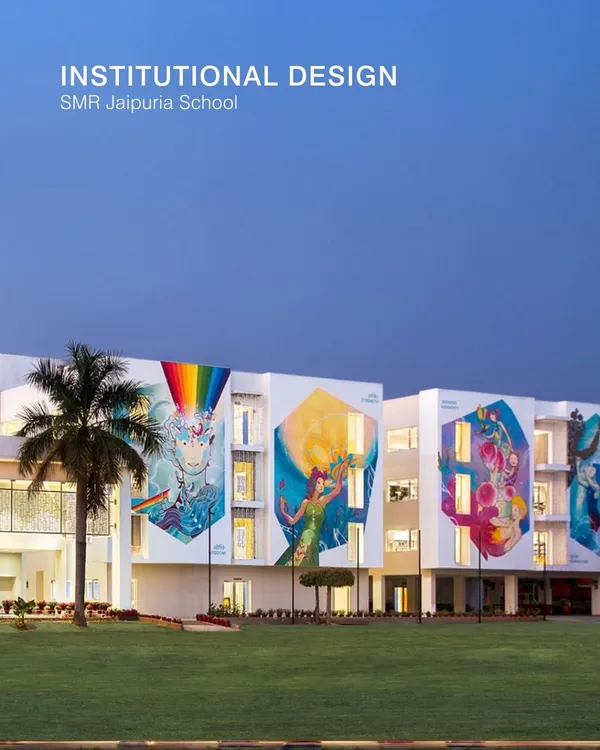
Beyond healthcare, our work spans educational campuses and public institutions. We define sustainability through three pillars: environmental stewardship, economic viability, and social equity. In our campus planning, this means implementing flexible layouts that adapt to new learning technologies, optimizing land use through strategic zoning, and using energy-efficient building envelopes that naturally regulate heat. Whether it is a university library or a neonatal intensive care unit, our goal is to build spaces that breathe, allowing communities to grow and thrive for generations.
Similar work from other experts
Browse through Curated picks from other experts on mytribe
 8
8
Featured Architectural Projects and Design Philosophy
 15
15
Architecture and Design That Tells Your Story
 7
7
Featured Architectural Projects and Design Work
 9
9
Featured Architectural Projects
 9
9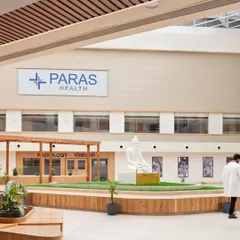
Healthcare Architecture and Hospital Design Portfolio
 9
9
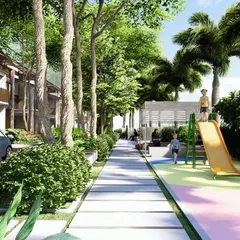
Featured Architectural and Master Planning Projects
More from Healthcare Architecture by Vijay Gupta Architects
More services by Vijay Gupta Architects