Mastering Swimming Technique and Drills
Mastering the water is not about fighting it. Whether you are refining your freestyle stroke or building core stability, technique is the difference between struggling and swimming with flow.
DON'T FORCE IT, MOVE WITH THE WATER. The best swimmers make the water work for them. It is not about muscling through, but about finding an ease and rhythm. We work on this mindfulness in every session to unlock your true potential.
GUIDANCE FROM THE SIDELINES. As a coach, I show you where to look, but not what to see. Here I am observing and guiding a swimmer's technique during practice. Small adjustments lead to big improvements.
DO THE WORK. There are no secrets or shortcuts to a powerful kick. This drill focuses on building leg strength and proper form. You have to be yourself and work for your dream.
MOBILITY TRAINING IS CRUCIAL. To prevent injuries and improve performance, mobility is key. This dry-land exercise improves range of motion and stability in the joints and muscles, which is essential for both swimmers and non-swimmers.
SWIM LIKE AN ARTIST AND A SCIENTIST. Swimming is a blend of precision and feel. We train with the accuracy of a machine but move through the water like an artist, studying every movement to improve.
WORK HARD, SWIM HARD. A little swimming every day adds up to big results. This video shows a demonstration of a freestyle drill, focusing on the small, consistent progressions that build a powerful stroke.
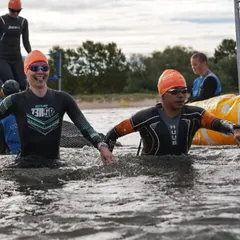
THE ANSWER IS ALWAYS DO MORE. To get better, you must be willing to push harder and work longer. This is the way forward. Here, two swimmers work on their freestyle technique, pushing each other to improve.
REDUCE DRAG, INCREASE PROPULSION. To swim faster, you must focus on two things: reducing the drag your body creates and increasing the propulsion you generate. Every drill we do is focused on improving one of these two aspects.
MENTAL TOUGHNESS IS A SKILL. The best swimmers shut out the world and focus on the feel of the water. Mental toughness can be learned and refined just like any physical technique, and it is a core part of my training.
GET THE FEEL OF THE WATER. Using a snorkel allows a swimmer to focus completely on their body position and stroke without worrying about turning to breathe. It is an excellent tool to immerse yourself in training and feel the water.
About Mastering the Craft: Technique and Drills
You will notice that we spend significant time on mobility training before even touching the water. Most people assume swimming is just about arm strength, but tight shoulders or weak hip mobility will limit your speed no matter how hard you push. We focus on these dry-land mechanics first because if your body cannot hold a streamline position on land, it will not hold it in the pool.
Swimming is a blend of precision and feel. To move efficiently, you must stop 'churning and burning' through the water and start working with it. This cluster is dedicated to the technical side of our training, where we break down every movement—from your catch and pull to your kick rhythm and breath control.
The Science of Movement
We treat training like a science experiment. You cannot fix what you cannot measure, which is why we incorporate video analysis to show you exactly what your stroke looks like versus what it feels like. You might think you have a high elbow, but the camera often tells a different story. This is where we make the adjustments that lead to real speed.
Core Technical Pillars
- Drag Reduction: We prioritize body positioning over raw power. If you are creating drag, no amount of muscle will make you faster.
- Propulsion: We focus on the 'feel' of the water. Using tools like snorkels allows you to isolate your stroke and focus entirely on your mechanics without the distraction of breathing.
- Mobility and Stability: A swimmer who lacks flexibility is a swimmer who is prone to injury. We integrate dry-land mobility sessions to ensure your joints can handle the repetitive nature of the sport.
Discipline Over Motivation
Technique is not learned in one session. You need to show up and do the work consistently. Whether you are correcting a faulty freestyle kick or learning to master backstroke, the process remains the same: practice with intention, stay mindful of your movements, and do not be afraid to swallow a bit of water while you learn. If you can control your mind, your body will follow.
Similar work from other experts
Browse through Curated picks from other experts on mytribe
Elite Technique and Swimming Drills for Competitive Results
Master Swimming Technique with Structured Drill Programs
Mastering Swim Strokes for Competitive Speed
Swimming Lessons and Coaching in Mumbai
Professional Swimming Coaching from Beginner to Competitive
 20
20
Conquer the Swim: Master Your Triathlon Stroke
More from Learn-to-Swim for All Ages by Ujwal Poojari
More services by Ujwal Poojari