Strength, Mobility & Recovery for Triathletes
You cannot just swim, bike, and run your way to a personal record. This fourth discipline is what keeps you in the game, prevents injury, and ensures you actually get stronger every season.
Understanding recovery is crucial. Your body is governed by the sympathetic (fight or flight) and parasympathetic (rest and digest) nervous systems. Intense training stresses the body, and you can't balance it with more intensity. Gentle activity, stretching, and breathwork are the only way to truly recover.
Stretching is a key part of my routine. Being a good athlete doesn't automatically make you a good coach. A coach's job is to understand the individual and create programs that enhance performance while considering their unique circumstances.
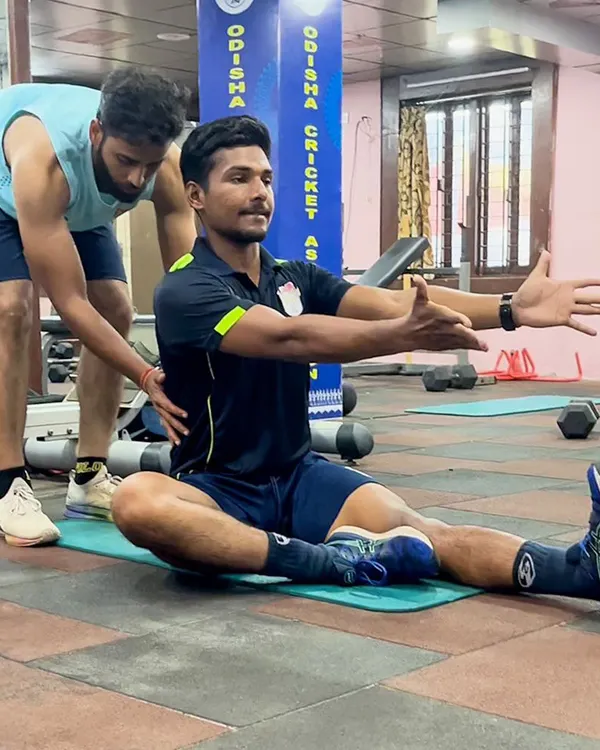
A video of my favorite dynamic and static stretches. Dynamic movements like backbends to forward folds are great for warm ups, while passive holds like a lizard pose are fantastic for cool downs and elongating muscles.
A glimpse into my life: swim, bike, run, strength, yoga, eat, sleep, recover, repeat. It's a grind, but I love every part of it.
How I cope with injury. First, accept it. Second, understand that fitness doesn't disappear overnight. Third, keep a sense of humor. And finally, adjust your food intake to match your lower activity level. Recovery is part of training.
A quick tip on active recovery. It refers to low intensity movement and is great for aerobically fit athletes. However, everyone needs complete rest days after very high intensity work. Listen to your body.
About The Fourth Discipline: Strength, Mobility & Recovery
If you are doing intense yoga or power sessions thinking they are 'recovery,' you are likely spiking your cortisol and working against your gains. True recovery is not about adding more work; it is about shifting your nervous system from the sympathetic (fight-or-flight) state to the parasympathetic (rest-and-digest) state through specific, gentle movement protocols.
I see too many athletes treat strength and mobility as optional. It is not. Whether you are training for your first triathlon or your tenth, your body needs more than just the three main sports to survive the load. I use targeted mobility drills—like hip flexor stretches and T-spine rotations—to open up your body and correct the imbalances created by hours in the saddle or on the road.
Strength training here is not about bulk; it is about structural integrity. We focus on the basics to bulletproof your joints against the repetitive stress of endurance training. And yes, recovery is a non-negotiable part of your training plan. If you are not integrating breathwork and specific rest protocols, you are leaving performance gains on the table. My approach integrates these elements directly into your weekly schedule, ensuring your body is capable of absorbing the intensity I prescribe.
Similar work from other experts
Browse through Curated picks from other experts on mytribe
Injury Prevention & Recovery
 6
6
Injury Resilience and Recovery Coaching
Strength and Conditioning for Endurance Athletes
Active Recovery & Injury Prevention Strategies

Injury Reduction & Athlete Body Armouring
Injury Prevention & Mobility: Train Smart, Stay Strong
More from Triathlon Coaching by TimTim Sharma
More services by TimTim Sharma