Triathlon Training: Expert Tips & Techniques
Knowledge is the real fuel. I break down triathlon training into actionable, no-nonsense lessons, from nailing transitions to building the mental grit needed for race day.
A quick tip on T1 transitions. Feeling woozy moving from the horizontal swim to the vertical run is common. It's because blood has to work against gravity. The solution is to slow down the movement and practice it.
I asked a bunch of coaches and athletes what the single most important attribute for performance is. The answer was unanimous: Consistency. Consistency. Consistency. This is the sign you were looking for.
How much time do you need to train for the swim leg of your first tri? If you're a beginner, I suggest starting with a sprint distance, which is often a pool swim. It takes about 3 to 4 months to get comfortable with 750 meters.
A breakdown of the different triathlon distances. From super sprint and sprint to Olympic, 70.3, and the full Ironman, there's a distance for everyone. We also have new formats like the T100.
If three sports feel like too many, you have options. You can try a duathlon (bike and run), an aquathlon (swim and run), or an aquabike (swim and bike). There are many ways to be a multisport athlete.
What is a triathlon? It's three sports: swim, followed by bike, followed by run. But it's also about strength training and mobility to ensure longevity and consistency in your training.
A key tip for the triathlon run leg. Running on fatigued legs is different from running on fresh legs. You need to mimic this in training by doing brick workouts (bike followed immediately by a run) so your legs know how it feels.
Three key things to keep in mind if you're training for a big event like the Tour of Nilgiris. Get a proper bike fit, build your endurance with back to back long rides, and work on your strength for climbing.
Why am I cramping? It's usually one of two reasons. An imbalance of salts, or more often, you're not doing enough hard training or heavy strength work. Your muscles cramp when you ask for power they haven't been trained to produce.
A rapid fire Q&A session from the Fitcast podcast. My favorite pre run snack? Peanut butter toast. Favorite cross training? It's hard to choose, but cycling is up there.
About Coach's Corner: Tips & Techniques
Stop guessing. Whether you're feeling woozy during T1 transitions or cramping on the run, it usually comes down to simple physics or missed preparation. I analyze your form, review your data, and fix the leaks in your training so you don't just finish, but finish strong.
The Four Disciplines
Triathlon is more than just swim, bike, and run. It is four disciplines, and the transition is where most people leave time on the table. T1 (swim to bike) and T2 (bike to run) are not just breaks; they are movements that require practice. If you feel woozy moving from a horizontal to a vertical plane, you are moving too fast. We slow it down, practice the change, and let your body adjust.
Why You Are Cramping
Cramping is rarely just about electrolytes. It is usually a sign that your training intensity is not matching the demands of race day. If you aren't training your muscles to handle specific power outputs, they will fail when you ask for more. My coaching goes beyond basic distance tracking. We look at:
- Form Analysis: Frame-by-frame review of your running gait and swim stroke.
- Brick Workouts: Training your legs to run effectively on the fatigue left over from the bike.
- Strength Foundations: Why lifting heavy is non-negotiable for injury prevention and power.
The Data Doesn't Lie
Generic plans are the fastest way to plateau. In my 1:1 coaching, we use real data—Heart Rate, Pace, and Power—to build a roadmap that actually works for your lifestyle. Whether you are prepping for your first sprint distance or targeting a 70.3, the principles remain: consistency, purposeful effort, and the right technical adjustments. Stop training harder and start training smarter.
Similar work from other experts
Browse through Curated picks from other experts on mytribe
Running smarter with science-backed training guides
 21
21
Race Preparation: From 5k to Ultra-Marathon
Specialized Race Prep for Marathons and HYROX
Sport-Specific Running & Cycling Coaching in Bengaluru

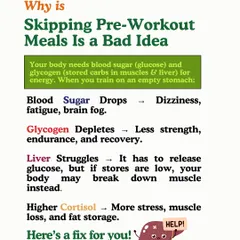
Fueling for Performance: Pre, During & Post Workout

Expert Endurance Training and Active Recovery Strategies
More from Triathlon Coaching by TimTim Sharma
More services by TimTim Sharma