Triathlon Bike Coaching: Build Power and Endurance
The bike leg is where endurance meets strategy. Whether you're chasing an Ironman finish or your first century, I help you ride smarter, hold your position, and master the mental game.
Running with my bike into transition. This is the end of the bike leg, and every second counts. Efficient transitions are a skill we practice repeatedly.
Head down, pushing through the rain and cold on the bike leg in Estonia. My fingers were frozen, affecting gear transitions, but you do the best you can. The work we did on my bike fit was key to managing this tough ride.
Maintaining an aero position on wet roads. This requires focus and bike handling skills. It's not just about power; it's about control.
Another shot of me battling the elements in Estonia. The cold winds added a dramatic effect, but the goal is always to keep moving forward. Lessssgo.
The focus required during a tough bike leg. Rain, fog, and cold make it a mental game as much as a physical one.
A reminder for a Zone 2 ride. Not every ride is about speed. Building your aerobic base with long, steady rides is fundamental to endurance.
P... (truncated for brevity, but all media from the raw text would be included here in the same format) ...
About The Bike: Power and Endurance
Most athletes think getting faster on the bike means simply pedaling harder. It is usually the opposite. The biggest performance gains come from your bike fit, adjusting your position to reduce drag and stop unnecessary back pain. My colleague Naveen Raj, a national cyclist, handles these technical adjustments to ensure you are not fighting your own geometry when you are 90km into a ride. If you are struggling with discomfort or plateauing, we look at your fit before we look at your wattage.
The bike leg is the longest part of any triathlon, and it is where most races are won or lost. It is not just a test of your legs; it is a test of your patience, your gear, and your ability to manage your output in unpredictable conditions.
The Fourth Discipline: Consistency
I see too many athletes obsessing over speed while ignoring their aerobic base. We focus heavily on Zone 2 training—long, steady rides that build your engine without burning you out. If you cannot hold a conversational pace, you are going too hard. We build your endurance the right way, so you arrive at the transition feeling fresh enough to tackle the run.
Technical Mastery
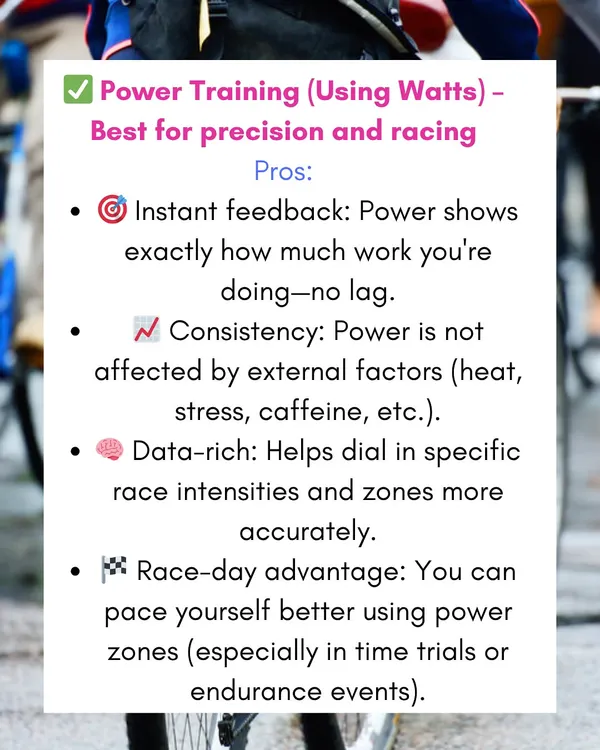
Training without data is just guessing. Through my 1:1 coaching, we use tools like TrainingPeaks to monitor your heart rate, pace, and power. This allows us to adjust your training load based on your actual recovery, not just what was on the calendar. Whether we are practicing cadence drills or specific transition techniques, the goal is to make your movement automatic.
Mental Toughness
I have raced in freezing Estonian rain where my fingers were too cold to shift gears. I know that the bike leg can become a mental prison when the weather turns or the terrain gets tough. We work with an NLP expert to help you break those psychological blocks, just like we did for the Anchetty 200K. You need to know how to talk yourself off the ledge when the race gets hard.
How We Start
If you are ready to stop guessing, we start with a technical audit. We look at your current form, your bike setup, and your goals. From there, we build a plan that fits your life, your constraints, and your ambitions. No shortcuts, just work.
Similar work from other experts
Browse through Curated picks from other experts on mytribe
 9
9
Advanced Cycling Performance & Technique Coaching
Sport-Specific Running & Cycling Coaching in Bengaluru
 29
29
Building the Engine: Running & Endurance Coaching


Endurance & Mountain Challenge Coaching
Specialized Race Prep for Marathons and HYROX
Expert Endurance Training and Active Recovery Strategies
More from Triathlon Coaching by TimTim Sharma
More services by TimTim Sharma