Triathlon Gear, Tech & Nutrition Advice
I’m all about training smart, not just hard. Here is my take on the tools and fueling strategies that actually help you race better.
Let's talk about fueling with Carborance. This carb mix is easy on the gut and gives you about 240 calories per sachet. It's great for carb loading before a race and for sipping on during long runs or rides.
Your fueling strategy depends on many factors: duration, intensity, environment, and your personal sweat rate. For workouts over an hour, a mix of carbs and electrolytes is essential. Remember to train your gut and practice your race day nutrition in training.
How to change the battery on your Garmin HRM Pro Plus. It's easy peasy lemon squeezy. A chest strap is far more accurate for zone based training than a wrist based monitor.
Wrist based or chest strap heart rate monitor? For general activity, your watch is fine. For serious cardio conditioning and zone based training, a chest strap is non negotiable for its accuracy.
Equipment matters. I used to use rigid Decathlon fins, but switching to flexible Finis long fins reduced the load on my ankles and minimized injury risk. Invest in good equipment to elevate your sport experience.
A must have piece of swim equipment: fins. Long, flexible fins are great for triathletes to start with as they are easier on the ankles. Short, heavy fins are for pure power development.
Two must have additions for your first triathlon bike: aero bars and cleats. Aero bars help you get into a more aerodynamic position, and cleats make your pedaling far more efficient and stable.
What bike do I recommend for a first triathlon? You can use any bike, but an entry level road bike is the most versatile. The Polygon Strattos S2 is a wonderful and affordable option to start with.
What running shoes should you have in rotation? Ideally two pairs: a comfortable endurance shoe for long, slow runs, and a responsive speed shoe for faster workouts. Carbon plated shoes are best saved for race day.
This little gadget is a game changer. It's a portable, rechargeable bicycle tire inflator. It's way easier than a hand pump or CO2 canisters, especially when you get a flat on a ride.
About Gear, Tech & Nutrition
If you are still using rigid, stiff fins in the pool, you are loading up your ankles and risking Achilles issues. I switched to flexible Finis fins specifically to minimize that injury risk. It sounds like a small detail, but in a long training block, it is these little hardware changes that keep you in the sport, not on the sidelines.
Fueling Your Performance
Fueling isn't just about eating; it is about training your gut. Don't experiment on race day. Whether you are using a carb mix like Carborance for long rides or electrolyte tabs to replenish salts, you need to test these in training. If a product causes bloating during a low-intensity zone 2 ride, it will absolutely ruin your race. Start by mimicking your race day intake during your long, slow distance sessions.
The Gear That Matters
You don't need the most expensive kit to start, but you do need gear that serves a purpose. For your first triathlon, you can use any bike, but an entry-level road bike like the Polygon Strattos S2 is a versatile choice that handles climbs and flats well. If you are serious about efficiency, two upgrades are non-negotiable: aero bars and cycling cleats. They change your posture and pedal stroke, making you significantly faster for the same effort.
Tech and Data
Wrist-based heart rate monitors are fine for daily activity tracking, but if you want precision for zone-based conditioning, a chest strap is mandatory. I use the Garmin HRM Pro Plus because I can take it into the water. It provides the accuracy you need to actually hit your training zones. Similarly, I use bone conduction headphones because they let me listen to music while staying aware of traffic and my surroundings. Safety is part of being an athlete.
Practical Maintenance
Stop putting your running shoes in the washing machine. It ruins the sole's responsiveness. My go-to hack is simple: a mix of baking soda and water, scrubbed with a toothbrush. It keeps your shoes clean, functional, and looking like new without damaging the tech inside the foam.
Similar work from other experts
Browse through Curated picks from other experts on mytribe


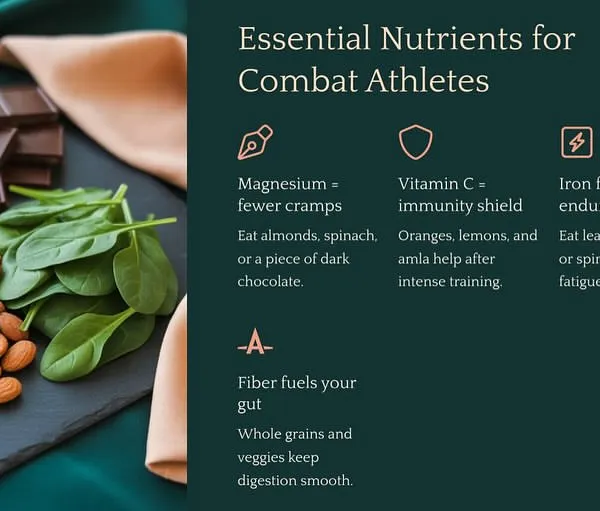
Fueling for Performance: Pre, During & Post Workout
 11
11
Combat Nutrition and Recovery for Fighters
 25
25

Fueling, Hydration, and Recovery Strategies for Runners
 7
7


Sports Nutrition and Performance Planning
Gym Equipment: Choosing the Right Tools for Performance
 9
9


Fueling Champions: Real Results for Elite Athletes
More from Triathlon Coaching by TimTim Sharma
More services by TimTim Sharma