Music Theory and Skill Building Tips
A strong understanding of music theory is the key to becoming a well-rounded musician. We share practical insights, from sight-reading techniques to understanding harmony, to help you master your instrument with confidence.
We help our students build a strong foundation in all aspects of musicianship. This includes providing practical tips to improve essential skills like sight-reading.
Ever wondered how a piano works? This short video explains the basic mechanics of how a piano produces its sound, from the key press to the hammer striking the string.
We make music theory easy to understand. Here, a young student explains the concept of a key signature and how to identify the key of a piece.
Technical exercises are crucial for building finger strength and dexterity. Here, a student practices a Czerny exercise, which is a staple in classical piano training.
Can you identify the cadence in this short musical excerpt? Ear training is a regular part of our lessons, helping students develop their listening skills.
Test your music theory knowledge. What is the term for a chord that is built on the third note of a scale?
A quick quiz for our students. What part of the piano strikes the strings to produce sound? Understanding your instrument is the first step to mastering it.
A brief introduction to Baroque music. This style, known for its ornate and elaborate compositions, is a key period we study in our music history lessons.
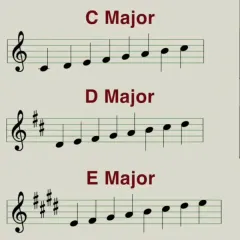
Let's test your ear. Can you identify the tonality of this musical extract? Is it major, minor, or something else?
Who composed the famous opera 'Dido and Aeneas'? We encourage our students to learn about the great composers and their iconic works.
About Sharpen Your Skills: Music Theory & Tips
Theory is often viewed as a chore, but it is actually the shortcut to musical fluency. When you understand how a key signature functions or why a specific cadence resolves the way it does, your practice sessions become significantly more efficient. Instead of simply memorizing notes, you learn to identify the patterns behind the music, which is exactly how our students prepare for Trinity and ABRSM graded exams.
Why Theory Matters
Learning an instrument involves more than just physical dexterity; it requires a deep understanding of the language of music. At Theme Music Institute, we integrate theory drills into every lesson, whether you are a beginner learning your first chords or an advanced student preparing for Diploma level exams. By understanding music history, composition styles, and structure, students gain the context needed to play with expression rather than just speed.
Practical Skill Development
Our curriculum in Bangalore focuses on:
- Sight-Reading: Learning to process and play new music instantly by identifying rhythms and intervals.
- Ear Training: Developing the ability to recognize tonality, cadences, and chord progressions by ear.
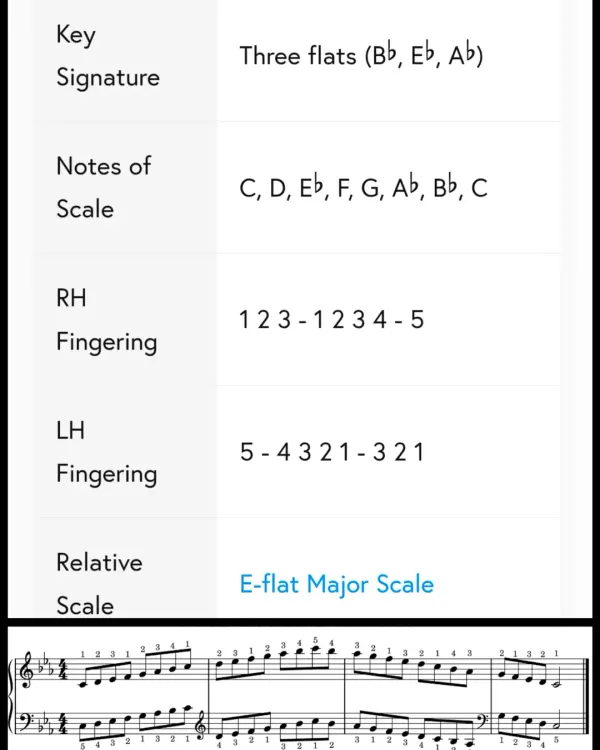
- Technical Exercises: Using Hanon, Czerny, and similar staples to build finger strength and control.
- Music History: Exploring the contexts of Baroque, Classical, and Romantic periods, which informs the interpretive choices you make in your performance.
Exam-Ready Preparation
We prepare students for international qualifications from Trinity College London, ABRSM, and LCM. Theory is a core component of these examinations, covering everything from key signatures and scales to composition and transposition. Whether you are attending our Indiranagar or HSR Layout center, our faculty ensures you are equipped with the technical knowledge and analytical skills required to perform confidently at recitals and examinations.
Similar work from other experts
Browse through Curated picks from other experts on mytribe
 5
5
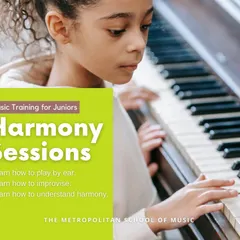
Music Theory and Harmony Training in Gurugram
 5
5

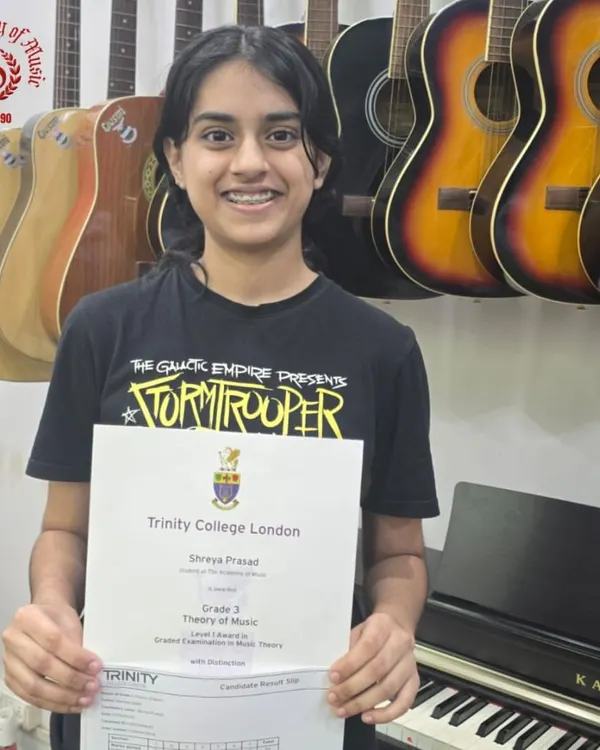
Trinity College Theory of Music Exam Coaching

Music Theory & Technique Workshops: Master Your Craft
 25
25
Our Music Theory and Practice Method
 11
11
Music Theory & Foundation Classes
 19
19

Music Grade Exam Coaching in Bangalore
More from Piano Lessons by Theme Music Institute
More services by Theme Music Institute