Music Theory and Harmony Training in Gurugram
Go beyond just playing notes. Learn to read, hear, and compose music with structured theory and harmony lessons that build a foundation for every musician.
A happy moment with a student after a productive vocal session. The whiteboard behind us shows some of the music theory fundamentals we cover, like solfege and notation, which are essential for every singer and musician.
Here, my instructor Angelina demonstrates vocal control and expression while referencing solfege notes on the whiteboard. This is an example of how I combine practical performance with essential music theory in my singing lessons.
This image captures a student deeply focused on their sheet music while playing the piano. I place a strong emphasis on music literacy, ensuring you can confidently read and interpret musical scores as part of your training.
My harmony sessions for junior musicians are designed to be engaging and fun. I teach them how to understand chord progressions, improvise melodies, and even play their favorite songs by ear.
This photo captures the encouraging and supportive environment I foster in my classes. Learning music theory and singing techniques becomes an enjoyable journey with personalized guidance from experienced instructors like Ms. Angelina.
About From Theory to Harmony
We don't just teach you how to play a melody; we train you to understand why it works. Our sessions focus on the actual language of music—reading sheet music, recognizing chord progressions, and developing your ear through solfege. Whether you are prepping for ABRSM or Trinity exams or looking to write your own songs, these fundamental skills are what make a complete musician.
Understanding the mechanics of music is the difference between copying a track and creating art. Many students come to us after years of playing by ear but hit a wall when it comes to improvisation or reading complex scores. That is where our theory and musicianship modules step in.
Core Curriculum Focus
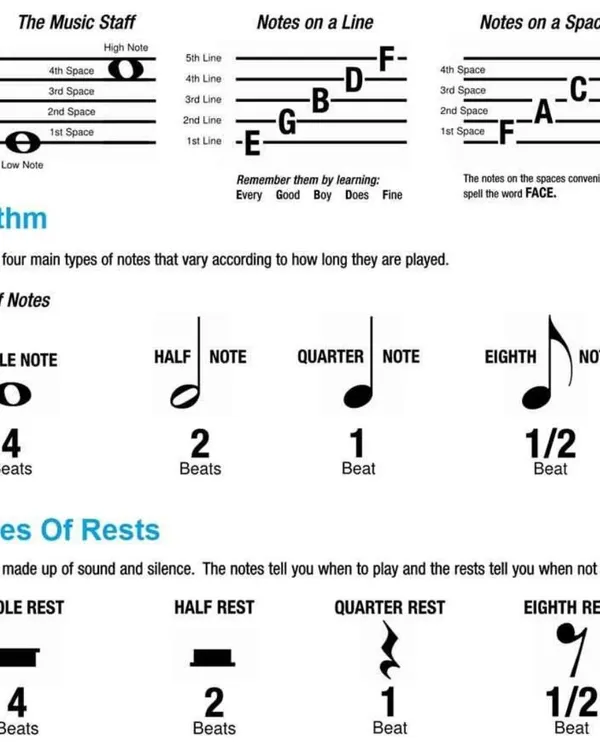
- Music Literacy: We start with the basics—reading the grand staff, mastering rhythm drills, and understanding key signatures. You will learn to translate what you hear into notation.
- Aural Skills: Solfege (the Do-Re-Mi system) is a cornerstone of our curriculum. You will learn to identify pitch, intervals, and harmony by ear, which is a vital skill for both singers and instrumentalists.
- Exam Preparation: Our theory curriculum is aligned with international standards. We help you prepare for ABRSM and Trinity College London theory exams (Grades 1 through 8). This includes intensive mock testing and focused rhythmic dictation to ensure you are exam-ready.
- Composition & Arranging: For those ready to write, we dive into song structure, harmony, and modulation. You will learn how to arrange your own music, moving from simple melody to fully realized compositions.
Learning Formats
We offer these sessions in small, collaborative groups at our Nirvana Country and Uppal Southend conservatories, allowing for social learning. For those with specific exam goals, we provide 1-on-1 sessions with senior faculty. We focus on building a foundation that stays with you, no matter what instrument you pick up next.
Similar work from other experts
Browse through Curated picks from other experts on mytribe
 5
5
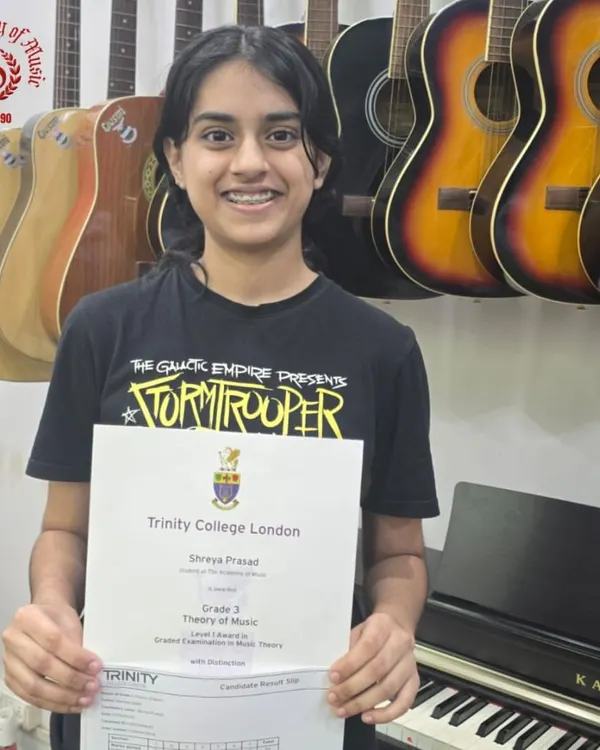
Trinity College Theory of Music Exam Coaching
 11
11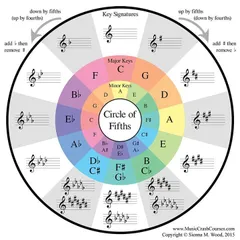
Music Theory & Foundation Classes
 25
25
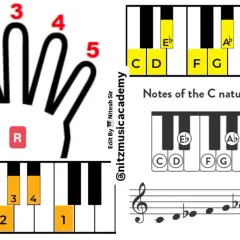
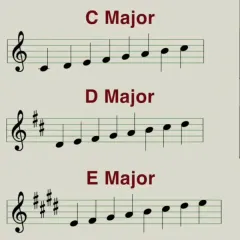
Our Music Theory and Practice Method
Core Musicianship: Theory & Technique Workshops
 4
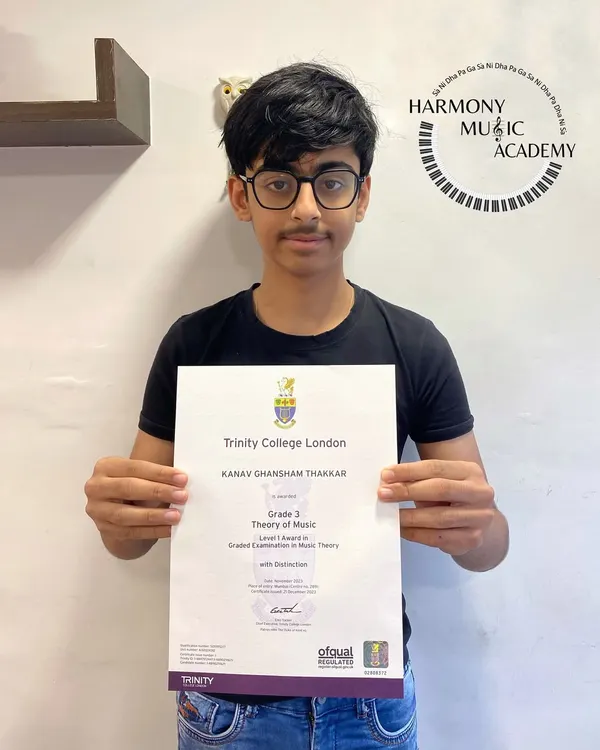
4Trinity College London Music Exam Coaching
 8
8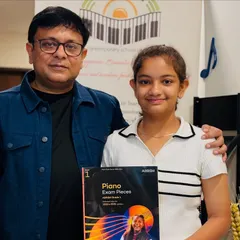

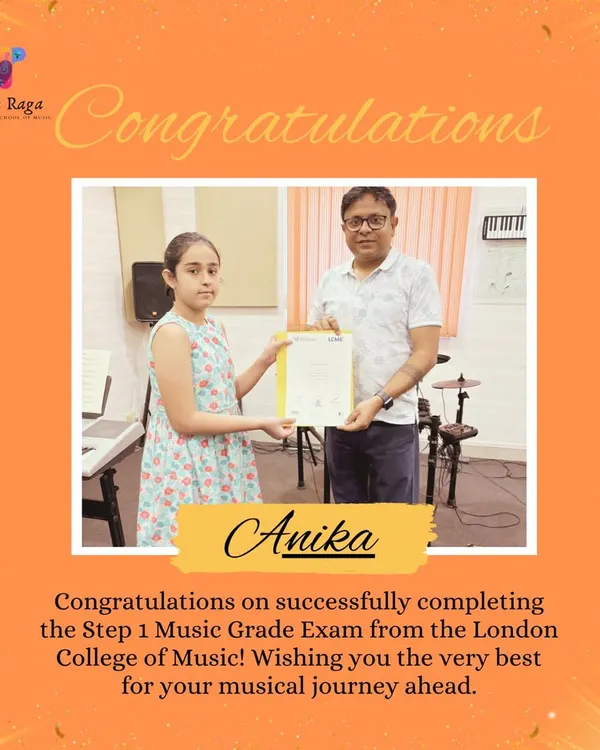
Music Grade Exam Preparation and Certification
More from Music Theory & Composition by The Metropolitan School of Music
More services by The Metropolitan School of Music