Music Theory & Foundation Classes
Music theory is the language of sound. We break down complex concepts—scales, chords, and rhythm—into practical tools to help you stop memorizing tabs and start playing with confidence.
Here is a quick guide to understanding the music staff, notes, and rests. Knowing these basics is the first step to reading music fluently.
The Circle of Fifths is a fundamental tool for understanding key signatures and relationships between chords. We break this down in our theory lessons.
A visual guide to popular piano and keyboard chords, including major, minor, augmented, and diminished types. Understanding chords is essential for any player.
This chart explains diatonic chord progressions. Learning how chords move from stable to unstable is key to writing your own music.
A simple diagram showing the open string notes on a standard-tuned guitar. This is one of the first things every new guitarist learns.
A quick reference for different types of musical notes and symbols, from a half note to a treble clef.
Here's a fun way to think about musical fractions. Understanding the duration of whole, half, and quarter notes is crucial for rhythm.
Having trouble remembering the different types of rests? This fun visual guide compares them to a bat, a mini-car, and a lightning bolt.
This chart explains musical dynamics, from 'Piano' (whisper) to 'Fortissimo' (outside voice). Controlling your volume is key to an expressive performance.
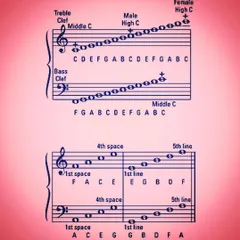
A fun exercise to practice reading notes on the treble and bass clefs. Can you spot all the notes correctly?
About Building Your Foundation: Music Theory
You might think theory is just dry bookwork, but it is actually the biggest shortcut to playing better. When you understand why a chord progression works or how to 'hear' a rhythm, you stop guessing where to put your fingers and start playing with true feel. My students who focus on these basics end up learning songs ten times faster than those who just memorize tab sheets.
Why We Emphasize Foundation
Many students come to me after years of 'jamming' without ever understanding the mechanics behind the music. They can play a song, but they cannot explain why it sounds good or how to improvise over it. At Musicology, we do not believe in hacks or shortcuts. Whether you are learning guitar, piano, or music production, we strip the process back to the essentials.
What You Will Master
- Ear Training: Learning to recognize intervals and notes by sound, which frees you from reliance on visual aids.
- Music Notation: Understanding how to read the staff, identify note durations, and interpret rhythm signatures.
- Chord Construction: Moving beyond basic shapes to understand how to build major, minor, and complex chords across the fretboard or keyboard.
- Diatonic Progressions: Learning the logic behind how chords move, so you can write your own songs rather than just covering others.
How We Teach Theory
Theory is not a separate, boring class. We weave it into every session. If you are learning a song, we pause to look at the progression. We use proprietary digital method books and interactive worksheets, but the real teaching happens during our live Zoom sessions. You get immediate feedback on your posture, technique, and understanding of the concept.
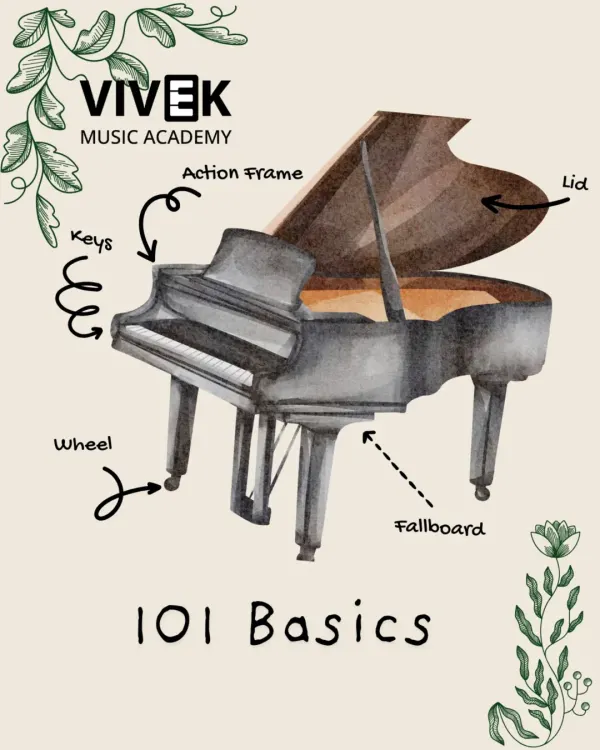
We structure these lessons to fit your specific instrument. Guitarists learn about fretboard mapping and open string notes, while piano students focus on keys and clefs. Regardless of the instrument, the goal remains the same: giving you the technical vocabulary to make your own musical choices.
Similar work from other experts
Browse through Curated picks from other experts on mytribe
 11
11
Music Theory and Essential Learning Resources
Music Theory and Ear Training Classes
Core Musicianship: Theory & Technique Workshops
 5
5
Music Theory and Harmony Training in Gurugram
 5
5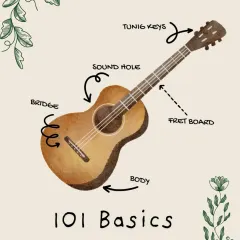
Music 101: Mastering the Basics of Music Theory


Learn Music the Right Way: A Foundation in Theory and Skill
More from Online Music Lessons by Anurag Dixit's Musicology
More services by Anurag Dixit's Musicology