Birds of Prey and Wetland Photography
From the sharp gaze of a raptor to the quiet grace of waders, I capture the wild energy of birds in their natural habitats.
An Osprey, a magnificent fish-eating bird of prey, is seen perched on a post before taking flight. This video captures its sharp vision and powerful wingspan in action.
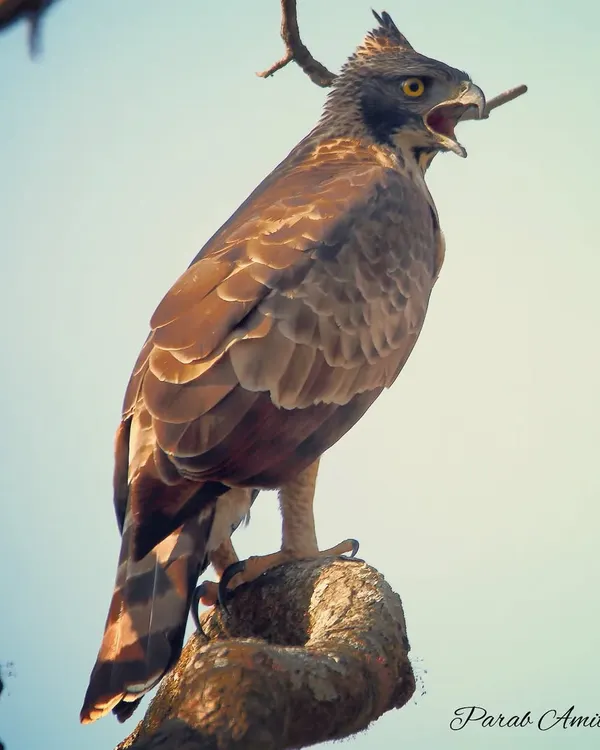
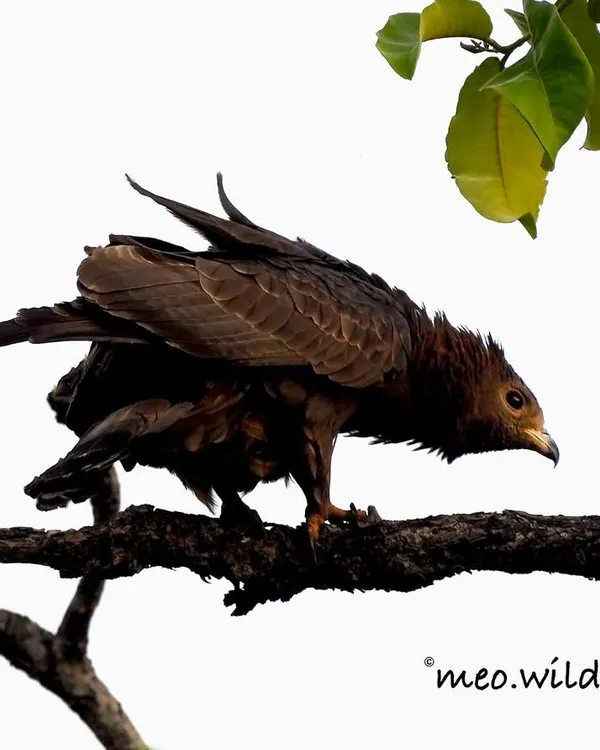
A Changeable Hawk Eagle peers through a frame of branches, its crested head and intense eyes creating a compelling portrait. This perspective shows the challenge and reward of jungle birding.
A wider view of the Changeable Hawk Eagle perched high in a tree. This shot shows the raptor in its natural environment, ever watchful of the forest below.
An Asian Paradise Flycatcher, with its incredibly long tail feathers, is captured dipping into the water. The video shows its graceful flight and the perfect reflection on the water's surface.
A chaotic and beautiful scene at a wetland rookery, with a Painted Stork coming in for a landing amidst a flock of egrets and other water birds. This is a great example of a thriving wetland ecosystem.
A close-up portrait of a Painted Stork, highlighting its long, yellow-orange bill and the delicate feather details around its face. These birds are a common and beautiful sight in Indian wetlands.
A pair of Indian Spot-billed Ducks rests on a small patch of land in the water. These resident ducks are a familiar sight in freshwater wetlands across the country.
A Black-tailed Godwit wades through the shallow waters of a wetland. Its long bill is perfectly adapted for probing the mud for insects and crustaceans.
A tiny Lesser Sand Plover carefully walks along the wet sand, foraging for food among the shells. This shot captures the delicate nature of coastal birdlife.
A family of Black-headed Ibis stands together in the green reeds of a wetland. The contrast between their dark heads and white bodies makes them stand out beautifully.
About Birds of Prey & Waterways
Getting a sharp shot of an Osprey or a diving Paradise Flycatcher isn't just about high-speed shutter settings. It's about predicting the bird's path and staying patient, often for hours, until the moment feels right. I use a 200-500mm lens to keep a safe, respectful distance so the wildlife stays completely natural while I grab the detail.
There is a distinct rhythm to birding photography. When I'm out in the wetlands, whether it's near the Bhandup Pumping Station or a remote sanctuary, the pace is slower. You aren't just looking for a photo; you are looking for a story. Capturing a Painted Stork or a Black-headed Ibis requires fieldcraft—understanding how to approach without alarming them, knowing the wind direction, and being ready when the light hits just right.
The Raptor Challenge
Shooting birds of prey like the Changeable Hawk Eagle is a completely different game. These birds are fast, powerful, and often high up. The thrill comes from the chase. I often spend my mornings waiting to hear alarm calls, which are the forest's way of telling us something big is about to happen. It's an adrenaline rush when you finally spot them, and the technical challenge of keeping them in focus as they dive or perch is what makes it fun.
Ethics and Conservation
For me, nature isn't just a backdrop. It's the real story. My sessions aren't just about teaching you the settings on your camera, though we cover that. It's about learning the ecosystem. We talk about migration patterns, why these wetlands are vital, and how to photograph birds without stressing them out.
Whether you are a beginner looking to get your first clear shot of a Kingfisher or a hobbyist wanting to understand astro-stacking for those evening shots, I'm here to help you slow down and actually see what's in front of your lens.
Similar work from other experts
Browse through Curated picks from other experts on mytribe
 10
10
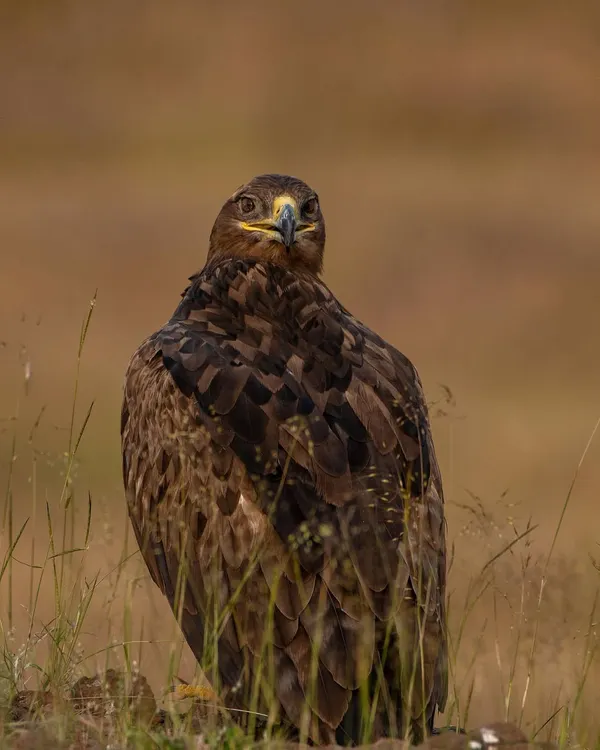
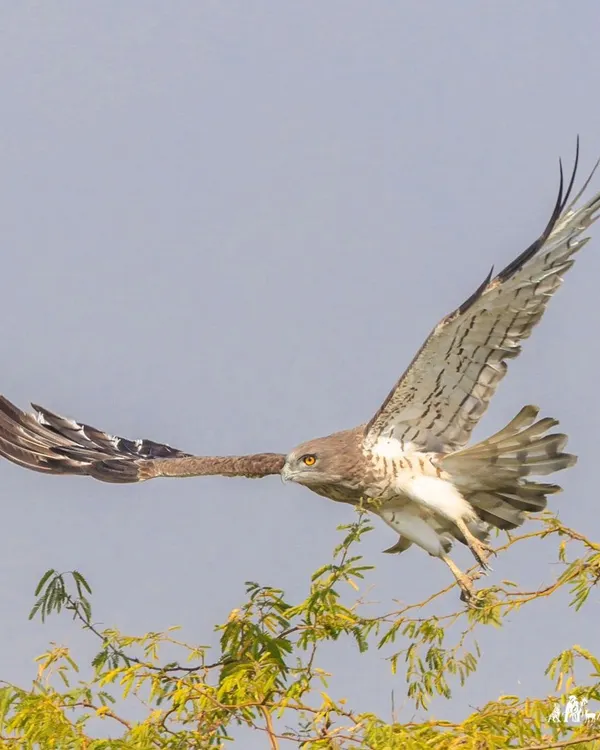
Birds of Prey Photography: Capturing Raptors in the Wild
 19
19
Masters of the Sky: Eagles, Owls & Raptors
 28
28
Photography Tours for Birds of Prey
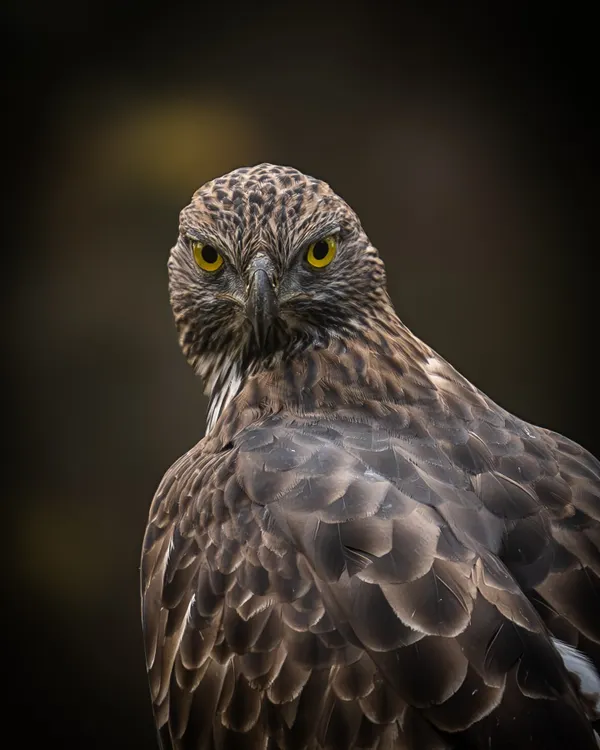 87
87
Avian Portraits and Raptor Photography
 12
12
Photographing Raptors and Birds of Prey
 4
4
Majestic Birds of Prey Photography in India
More from Wildlife & Bird Photography by Sunny Nair
More services by Sunny Nair