Masters of the Sky: Eagles, Owls & Raptors
Capturing the intense focus and silent flight of raptors. These masters of the sky require immense patience to track and photograph in their natural habitat.
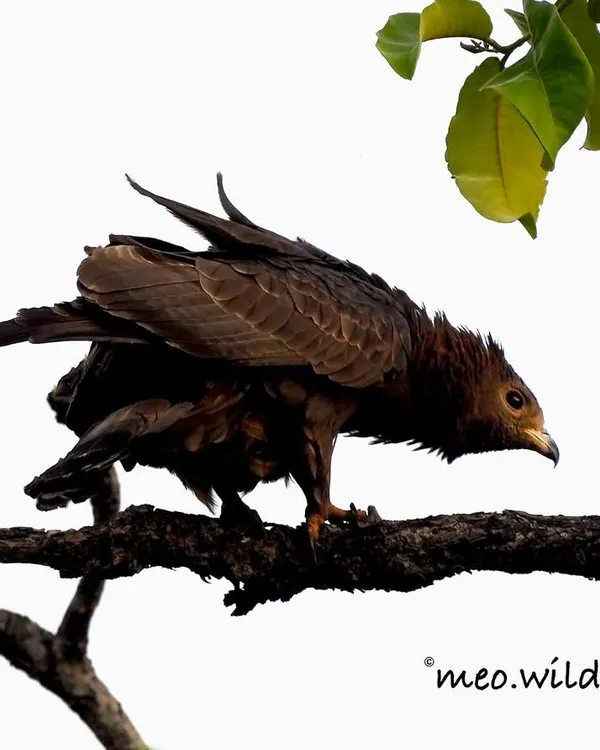
This Steppe Eagle gave me a full 360-degree view, turning its head to keep a sharp eye on its surroundings. A truly majestic bird of prey.
I am watching you. A Short-eared Owl peeks over the tall grass, its bright yellow eyes fixed on me. Patience is key when trying to photograph these masters of camouflage.
A male Pallid Harrier, with its distinct grey plumage and yellow eyes, perched on a thorny bush, scanning the grasslands for prey.
An owl in flight, seen from below. The pattern on its wings is beautifully illuminated against the clear blue sky.
The powerful wingspan of an eagle as it lands on a treetop. The symmetry and detail in the feathers are incredible.
A male Montagu's Harrier, locally called 'Monya', moving through the dry grasslands of Bhigwan.
A Barn Owl trying to get some sleep during the day. Its heart-shaped face and serene expression are captivating.
A Steppe Eagle in the grasslands, its wings spread as it lands or takes off. A moment of pure power.
A Steppe Eagle surveys its territory from a low perch in the golden grass.
A dynamic shot of a Steppe Eagle with its wings raised, showcasing its impressive size and feather details.
About Masters of the Sky: Eagles, Owls & Raptors
Patience is everything with raptors. Whether tracking a Marsh Harrier in flight or waiting for a Short-eared Owl to emerge from the grass, I prioritize minimal disturbance. In my field sessions, I teach you how to predict these movements before you even touch the shutter.
Raptors are some of the most challenging subjects for any wildlife photographer. They are fast, unpredictable, and masters of camouflage. During my photography tours in Maharashtra, we often head to open grasslands and wetlands to spot species like the Steppe Eagle, Pallid Harrier, and various owls.
The key to capturing these birds is understanding their habitat. I use a 200-500mm lens to keep a respectful distance, which is crucial for authentic, natural behavior shots. When you join a session, I guide you on how to handle your gear for fast shutter speeds and how to look for tells—those subtle movements that suggest a bird is about to hunt or take flight.
We regularly explore hotspots like Thane Creek, Karnala, and Bhigwan. Each location offers different challenges, from the golden hour lighting at dusk to the harsh midday sun in the open fields. I don't believe in forcing poses or baiting birds. Everything you see here is the result of waiting and spending time in the field. If you want to move beyond basic photography and start documenting animal behavior, let's head out together. My goal is to help you build that same connection with the wild, so you can walk away with images that actually mean something.
Similar work from other experts
Browse through Curated picks from other experts on mytribe
 24
24
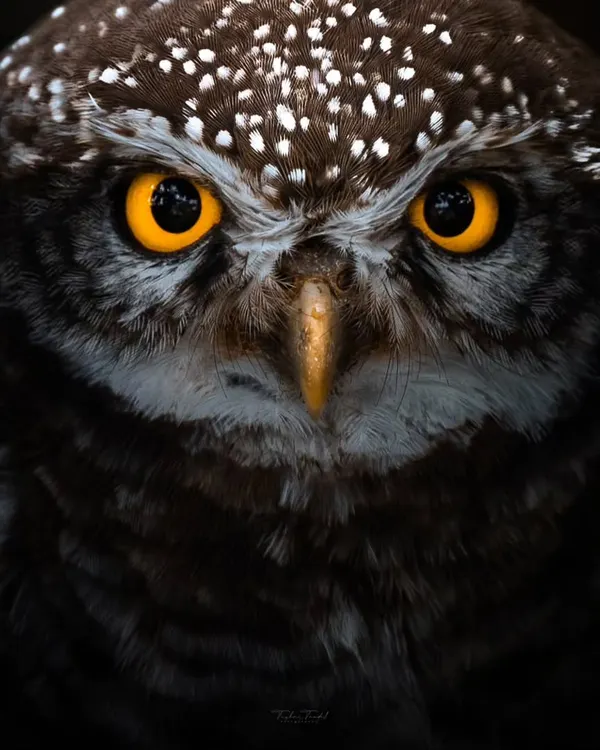
Raptors of the Open Sky: Portraits of Nature's Hunters
 29
29
Raptors: Hunters of the Sky
 10
10
Birds of Prey Photography: Capturing Raptors in the Wild
 4
4
Majestic Birds of Prey Photography in India
Birds of Prey and Wetland Photography
 23
23
Hunters of the Sky: Raptor and Bird of Prey Photography
More from Wildlife & Nature Photography by Aashish Patil
More services by Aashish Patil