Majestic Birds of Prey Photography in India
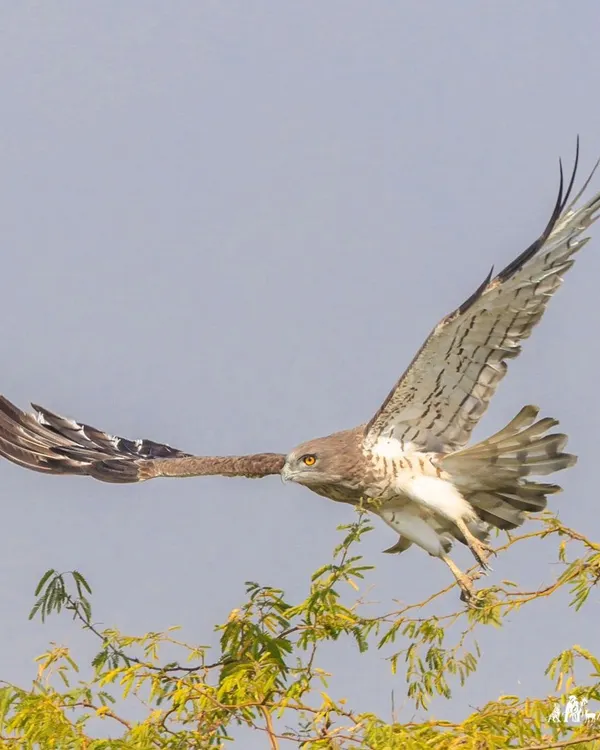
There is a special kind of thrill in photographing raptors. From the piercing gaze of an eagle to the silent glide of a kite, these powerful hunters command the sky and always make for a dramatic, awe-inspiring shot.
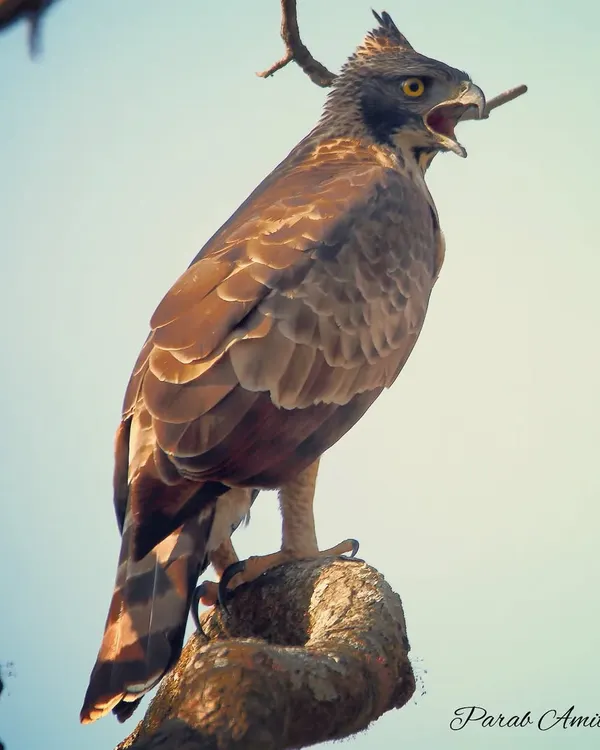
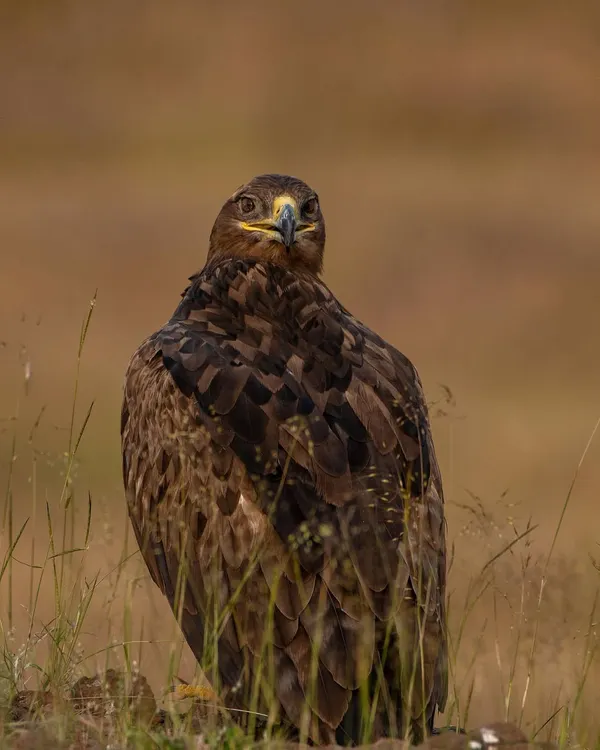
The Indian Spotted Eagle is a formidable raptor. Here, it's perched with its sharp talons gripping the branch, ready to take flight. Its powerful build and hooked beak are perfectly adapted for a life of hunting.
Peeking through the branches, the vigilant eye of a Brahminy Kite sees everything. I love how this shot creates a sense of mystery, with the bird partially hidden yet fully aware of its surroundings.
A Lesser Adjutant Stork calls out from its high perch, while a Black Cormorant rests below. This scene captures the hierarchy and shared habitat of different large bird species in the wild.
A stunning close-up of the Lesser Adjutant Stork. Its large, powerful beak and unique appearance make it a fascinating subject to photograph, a true giant of the bird world.
About Majestic Birds of Prey
Capturing raptors like the Indian Spotted Eagle requires a lot more than just a fast shutter speed. It is about anticipating the behavior of these hunters, identifying their preferred perches, and waiting for the right light without disturbing their hunt. I rely on my 200-600mm lens to keep a respectful distance, ensuring I capture them in their natural element without interfering with their routine.
Raptor photography is the ultimate test of patience and anticipation. Unlike smaller birds that hop around, raptors are methodical. They scan, they focus, and they wait for their moment, which means I have to be even more patient than they are. Whether I am tracking a Brahminy Kite circling over water or waiting for a Lesser Adjutant to take flight, the goal remains the same: capturing the raw intensity of the predator.
The Ethics of the Hunt
When you see these photos, you might notice the birds look natural and unbothered. That is intentional. I strictly avoid call playback or baiting. Using those methods forces a reaction that isn't natural, and it disrupts their habitat. My approach is based on silent observation. When we spend a full day in the field, we are not forcing the birds to perform for the camera; we are waiting for the moment they choose to reveal themselves to us.
Technical Specs for Raptor Shots
- Lens Choice: I use a 200-600mm lens. This gives me the reach to shoot from a distance, which is critical for raptors who are easily spooked.
- Shutter Speed: Raptors are fast. When they dive or take flight, I keep my shutter speed high to freeze the action without losing detail in the feathers.
- Lighting: My favorite time to shoot is the Golden Hour, either early morning or just before sunset. The light brings out the texture in their plumage and adds that dramatic, cinematic feel to the shot.
Whether we are exploring local spots like the Thane Creek wetlands or heading out on a longer expedition to capture raptors in the wild, the experience is about understanding the bird first and snapping the picture second.
Similar work from other experts
Browse through Curated picks from other experts on mytribe
 28
28
Photography Tours for Birds of Prey
 46
46
Raptors: Hunters of the Sky
 12
12
Photographing Raptors and Birds of Prey
 58
58
Birds of Prey Photography: Capturing India's Raptors in Action
 19
19
Masters of the Sky: Eagles, Owls & Raptors
 29
29
Raptors: Hunters of the Sky
More from Bird Photography by Meowild
More services by Meowild