Photographing Raptors and Birds of Prey
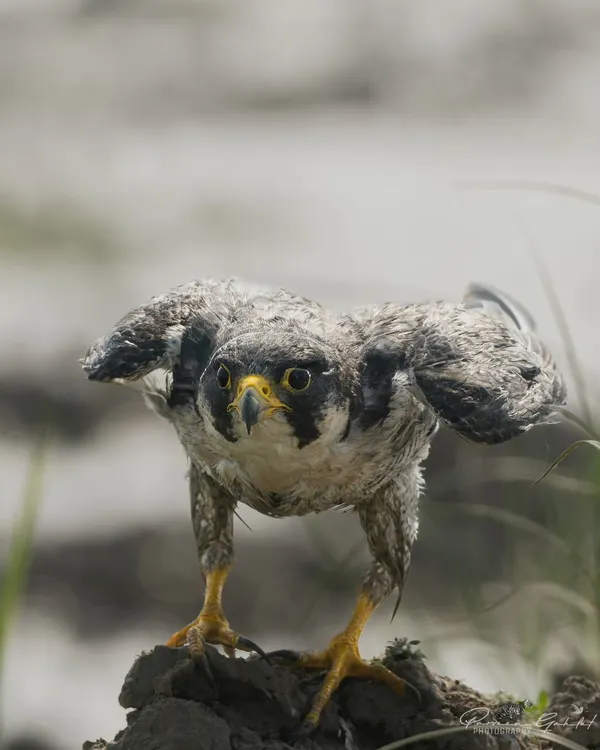
Observing the silent flight of an owl or the sharp gaze of an eagle requires immense patience. On my expeditions, we focus on ethically tracking these powerful hunters to capture their true nature.
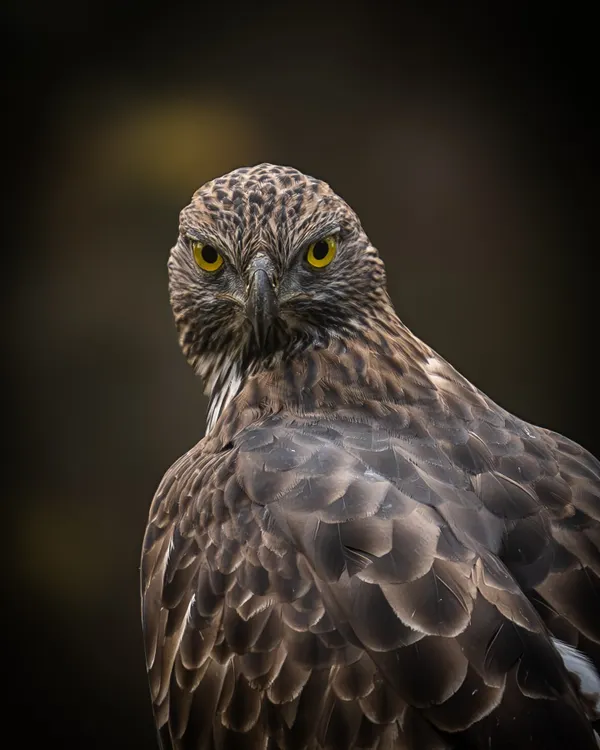
The Mountain Hawk-Eagle is a formidable predator of forested hills. This one, calling out from its perch, displays the raw power and intensity I aim to capture. Learning to spot and photograph such large raptors is a key part of my Himalayan expeditions.
With its piercing gaze, this Grey-headed Fish Eagle is a specialized hunter of South East Asia's waterways. Known locally as the 'tank eagle' in Sri Lanka, its presence signifies a healthy aquatic ecosystem, a conservation message I emphasize in my tours.
A different angle of the Grey-headed Fish Eagle, showing its focused, predatory stare. Observing these birds requires patience, as they can sit for long periods before striking. This is a lesson in fieldcraft that is essential for any wildlife photographer.
The Brahminy Kite, with its contrasting white head and chestnut body, is a common but magnificent sight along India's coastlines and wetlands. Here it sits majestically atop a palm, ever watchful, a true ruler of the skies.
Known as the 'Butcher Bird', the Long-tailed Shrike is a small but fierce hunter. This one, perched on a thorny acacia in Haryana, uses these thorns to impale its prey, creating a larder. It's a fascinating, if grim, behavior we sometimes witness on field trips.
The Great Grey Shrike, another 'Butcher Bird', surveys its territory in the open fields of Haryana. Its distinct black mask gives it a menacing look, fitting for a bird that hunts insects, lizards, and even small rodents with silent precision.
A Pallas's Gull, or Great Black-headed Gull, soars with its catch. These large gulls are opportunistic feeders, often preying on fish and even the chicks of other birds. Capturing them in flight with a meal is a rewarding challenge.
A Blue Rock Thrush with a beak full of worms, likely for its young. My principle is to never disturb a nesting bird, so after capturing this moment, we moved on to allow the mother to feed her chicks in peace. Ethical photography always comes first.
A pair of Large-billed Crows perched on a rock. These highly intelligent and adaptable birds are widespread across Asia and feature in many local mythologies. Their intelligence makes them fascinating subjects to observe and photograph.
An Oriental Darter surfaces with a fish, a perfect example of a successful hunt. These birds, also known as snakebirds, are expert divers. My workshops in wetland areas often provide fantastic opportunities to photograph this dynamic behavior.
About Birds of Prey & Hunters
Capturing birds of prey is rarely about luck. It requires hours of waiting to understand their hunting patterns without encroaching on their territory. Whether we are tracking a Grey-headed Fish Eagle in the wetlands or observing a Long-tailed Shrike in Haryana, I teach you to anticipate the moment of the strike while maintaining a strictly ethical distance.
Understanding the Hunter
Raptors are wary and powerful subjects. Unlike smaller songbirds, capturing the essence of a bird of prey—its intensity, its patience, its lethal precision—demands a different level of fieldcraft. We do not just point and shoot; we study the habitat.
Fieldcraft and Ethics
When we are out in the field, my priority is the bird's well-being. We adhere to a strict 'No Call Playback' policy. Instead, we learn to train our eyes and ears to the environment. You will learn how to identify perch sites, interpret warning calls, and use natural cover to blend into the landscape. Whether it is a Brahminy Kite surveying a coastline or a Mountain Hawk-Eagle calling from the Himalayan canopy, we capture these images by becoming part of the environment, not a disturbance to it.
Tracking Nocturnal Species
Photographing owls requires a unique set of skills. We focus on ethical low-light photography. I teach you how to use available light and specific torch techniques that do not startle the bird. Finding an Indian Scops Owl during the day is a test of observation; photographing it at night is a test of technical patience.
Learning Through Experience
My workshops and tours are designed to bridge the gap between seeing a bird and capturing its story. We discuss the biological context of the species we track, from the 'Butcher Bird' habits of the shrikes to the migratory patterns of raptors. By the end of our time together, you will have a better understanding of how to anticipate movement and frame a shot that tells a story, rather than just taking a picture.
Similar work from other experts
Browse through Curated picks from other experts on mytribe
 28
28
Photography Tours for Birds of Prey
 58
58
Birds of Prey Photography: Capturing India's Raptors in Action
 46
46
Raptors: Hunters of the Sky
 87
87
Avian Portraits and Raptor Photography
 29
29
Raptors: Hunters of the Sky
 16
16
Birds of Prey Photography in India
More from Bird Photography Workshops & Guided Expeditions by Bird Photography
More services by Bird Photography