Big Cat Safari Photography and Wildlife Tracking
Chasing big cats is pure patience. From the elusive Black Panther to the Bengal Tiger, my lens captures these apex predators in their rawest moments.
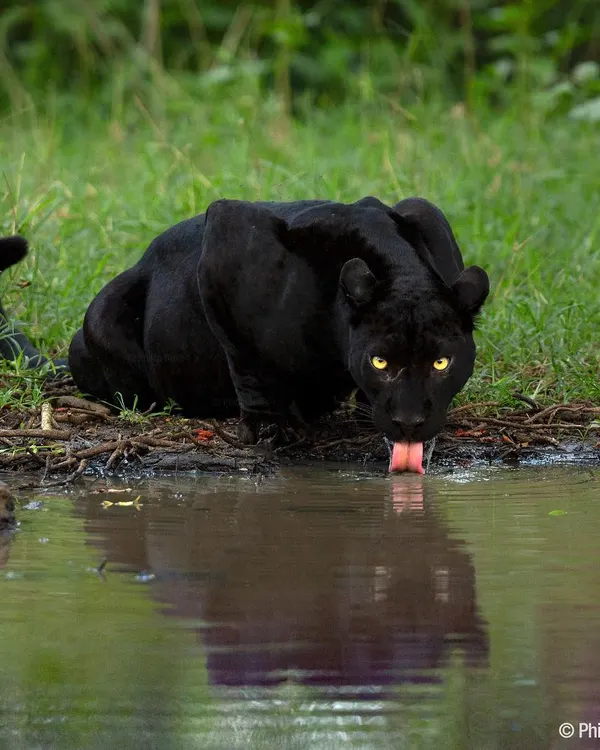
A rare and thrilling encounter with a melanistic leopard, popularly known as a Black Panther, as it prowls a forest path in India. Capturing this elusive cat was a dream come true, requiring immense patience and a bit of luck.
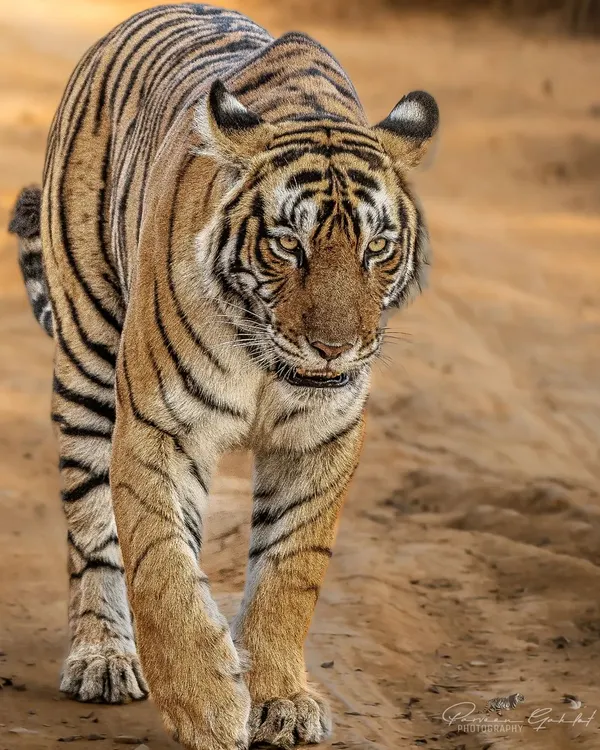
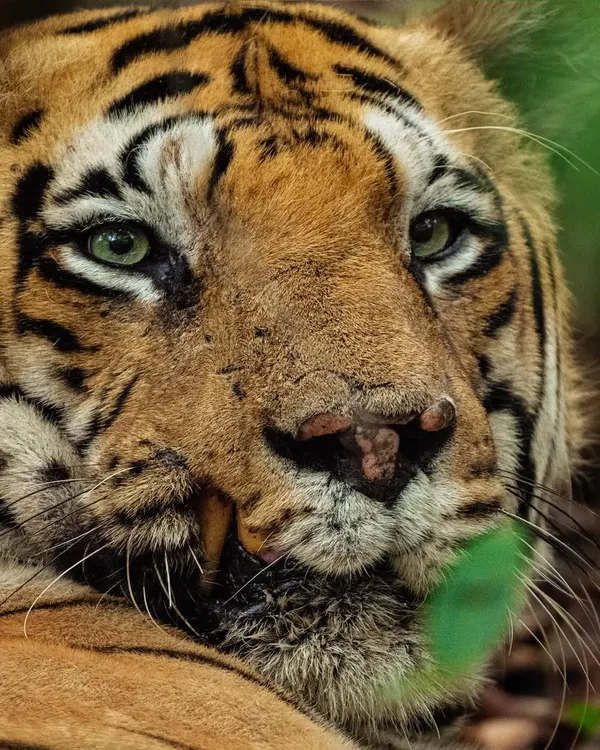
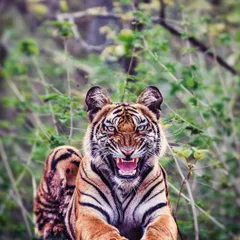
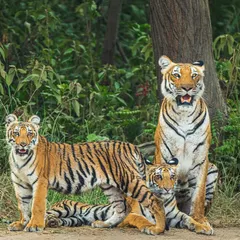
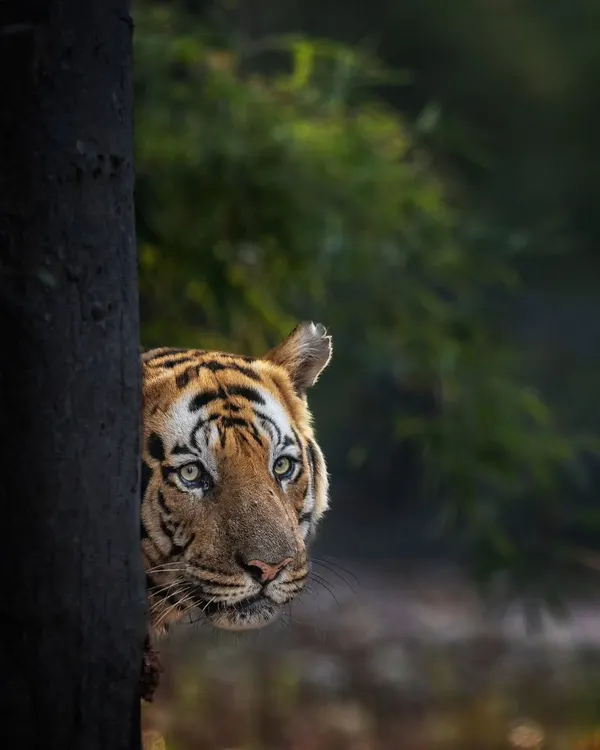
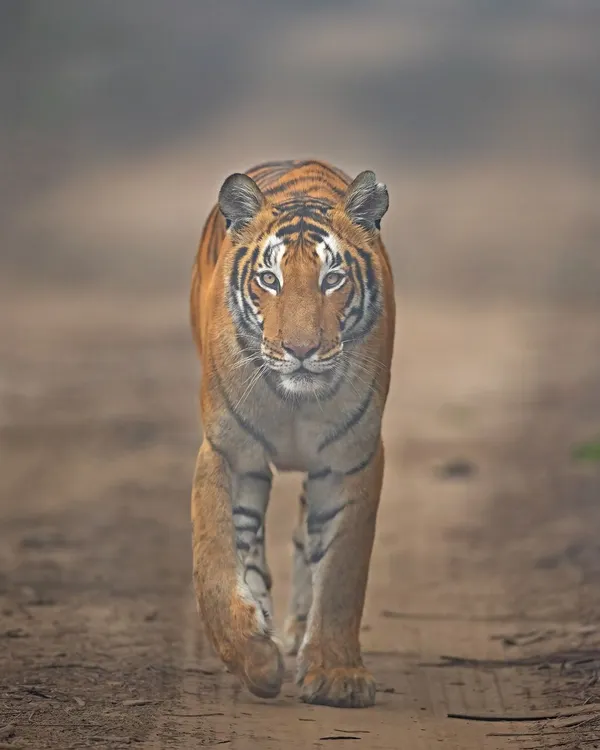
A majestic Bengal Tiger pauses and looks directly into the camera from its resting spot in the tall grass of Tadoba. This intimate portrait captures the quiet confidence and breathtaking beauty of India's national animal.
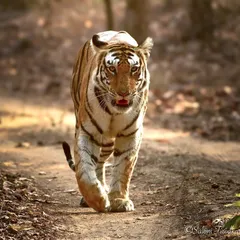
This video follows a Bengal Tiger as it moves stealthily through the undergrowth of the Tadoba Andhari Tiger Reserve. It's a testament to the 50 years of Project Tiger, an initiative that has been crucial for their conservation.
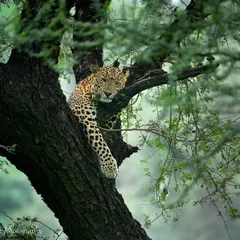
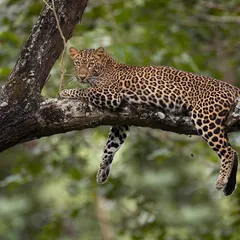
A shy and nocturnal Leopard Cat, perfectly camouflaged, peers down from the safety of a tree branch. Spotting this smaller wild cat requires a keen eye and a quiet approach in the dense forest.
About Big Cat Safaris
It is rarely about just spotting the cat. It is about understanding the alarm calls, reading the pugmarks, and waiting in silence for hours. When I am in a jeep with you, we are not just driving; we are reading the jungle to predict where the tiger might step out next.
Wildlife photography is 90% patience and 10% reaction. While the photos show the thrill of the encounter, the real work happens in the hours leading up to the shot. Whether we are in Tadoba or deep in the jungle, my goal is to teach you how to read the landscape.
The Ethics of Tracking
I use a Nikon 200-500mm setup because it allows us to keep a respectful distance from the animals. Disturbing a tiger or leopard is not just poor practice; it ruins the very shot you are trying to get. My approach focuses on 'fieldcraft'—learning how to position ourselves so the animal remains comfortable, which leads to natural, unguarded behavior rather than a stressed animal looking at a crowd of vehicles.
What We Cover
- Reading the Jungle: We look for alarm calls (langurs and deer are usually the first to spot a predator), pugmarks, and territorial scent markings.
- Technical Settings: You will learn how to adjust ISO and shutter speed in changing forest light, particularly when shooting under dense canopy cover.
- Composition: I teach you to capture 'environmental portraits' rather than just headshots. It is about showing the tiger as a part of the forest, not just an isolated subject.
If you are serious about big cat photography, you know that the luck of the draw is only part of the story. The rest is planning, ethics, and knowing exactly where to look before the rest of the safari crowd even notices a movement in the grass.
Similar work from other experts
Browse through Curated picks from other experts on mytribe
 23
23
Big Cats of the Jungle: Tiger & Leopard Photography
 35
35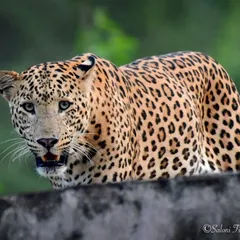
Tigers and Leopards: Wildlife Photography Portfolio
 26
26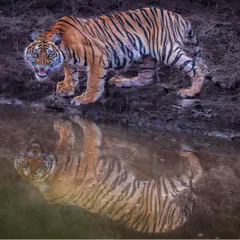
The Tiger's Realm: Portraits of India's Big Cats
 91
91
Photographing Tigers in India's Jungles
 15
15
Tracking Leopards, Lions and Cheetahs: Big Cat Photography
 37
37Tiger Photography Expeditions: Learn to Track and Shoot
More from Wildlife & Bird Photography by Sunny Nair
More services by Sunny Nair