Our Performance-Driven Design Methodology
We combine advanced computational tools with rigorous engineering to create buildings and products that solve complex urban challenges.
This technical cross-section from our MAXXI building proposal details the facade system. It shows the integration of a hybrid steel and CLT structure, sustainable materials, and passive design strategies like shading louvers. This level of detail is characteristic of our performance-driven methodology.
This infographic visualizes our commitment to the circular economy. For the MAXXI project, we specified the re-use of existing materials like concrete and fence posts, and the recycling of shingles, alongside the use of sustainable bricks and timber structures.
A duplicate of the circular economy diagram, reinforcing the importance of this principle in our work. We believe in designing for the full lifecycle of a project to minimize its environmental footprint.
About Design Philosophy in Practice
Design decisions here are led by data, not just aesthetic trends. For our MAXXI multifunctional development proposal in Rome, we utilized computational fluid dynamics and material lifecycle analysis to dictate the structure. Every element, from the reused concrete to the cross-laminated timber, was selected to minimize carbon emissions while ensuring structural flexibility for future urban adaptability.
Our studio operates at the intersection of architecture, engineering, and data. We reject the separation of form and function. Instead, we use parametric design and Building Information Modeling (BIM) to generate structures where the shape is a direct response to performance requirements.
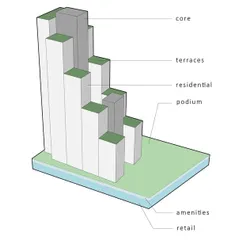
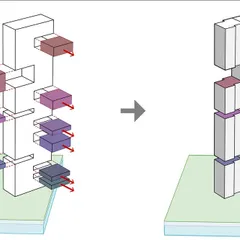
Take the MAXXI multifunctional building proposal as a case study. We approached this project by analyzing the urban context of the Flaminio district in Rome. Our methodology prioritized circular economy principles. We incorporated recycled elements from on-site demolition, utilized low-carbon emission materials, and designed the building as a modular structure that allows for future reconfigurations.
The facade and structural systems are not decorative additions. They are calculated outcomes. We employ computational fluid dynamics to optimize for environmental factors like wind and solar gain. This ensures our projects are not only visually striking but also resource-efficient. We maintain this technical rigor across all our work, from product design and urban planning to complex interior spaces.
Similar work from other experts
Browse through Curated picks from other experts on mytribe
 45
45
Our Design Philosophy & Sustainable Architectural Process
 17
17
Our Design Philosophy: The Principles Behind Our Practice
 16
16
Our Core Design Philosophy
 15
15

Behind the Design: Our Process and Studio
 8
8
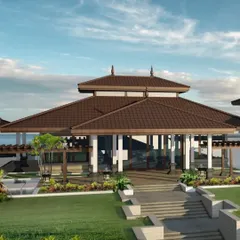
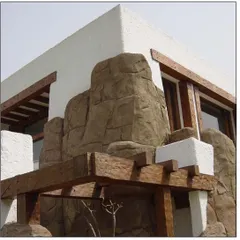
Architectural Designs in Dialogue with Nature
 9
9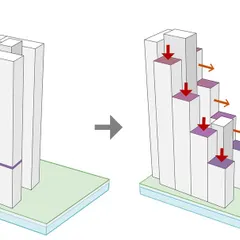
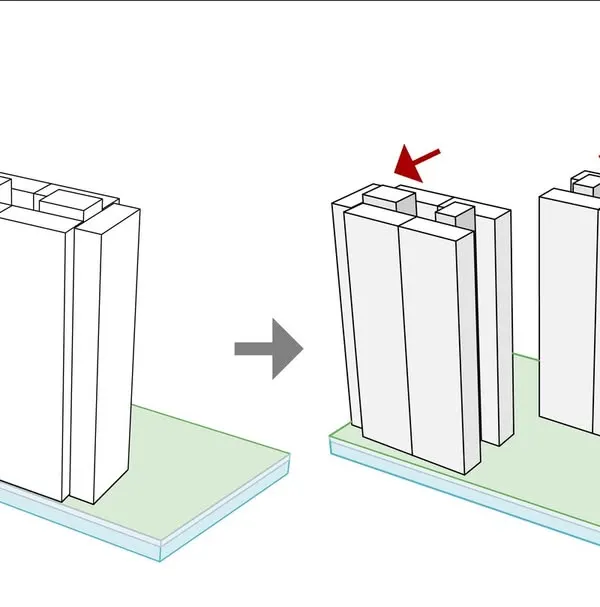
Architectural Design Process for High-Rise Projects
More from Product Design by Studio Symbiosis
More services by Studio Symbiosis