Featured Heritage Architecture and Adaptive Reuse Projects
A curated selection of our work, showcasing how we transform existing structures into functional, community-driven spaces without the need for demolition.
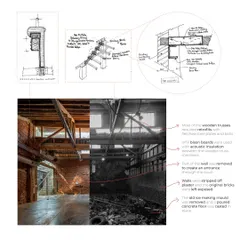
A once-disused attic from a 1920s building, reimagined as a vibrant, light-filled workspace. By introducing a central skylight, we transformed a dark, forgotten area into a functional and inspiring environment, demonstrating how sensitive retrofitting can unlock the hidden potential in heritage structures.
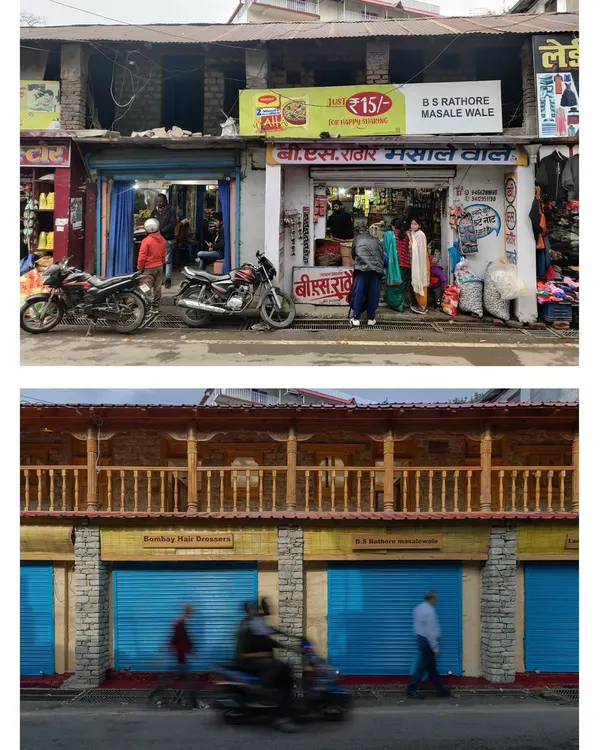
This lively hub at Woodstock School is a testament to placemaking. We transformed an ordinary corner under the deodars into the school's social nerve center, a space co-created with the community that now feels like it has always belonged.
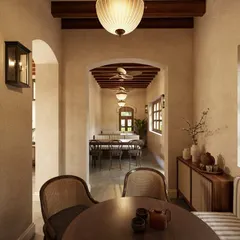
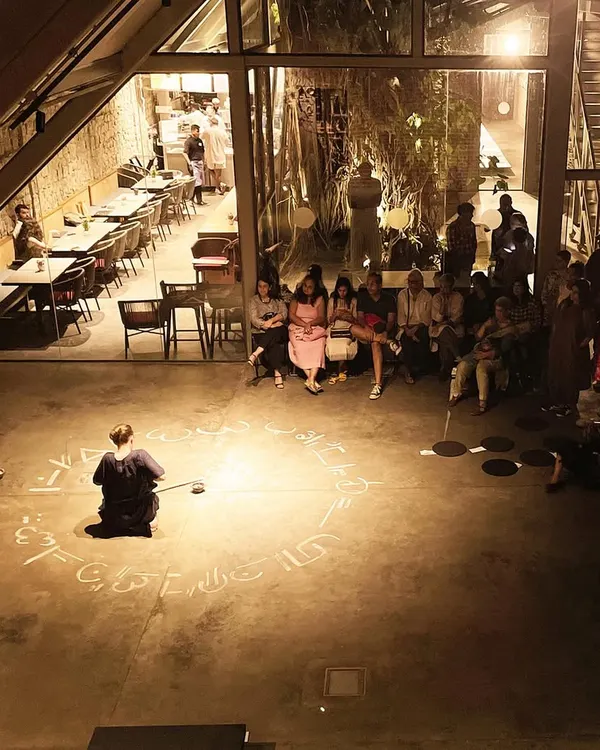
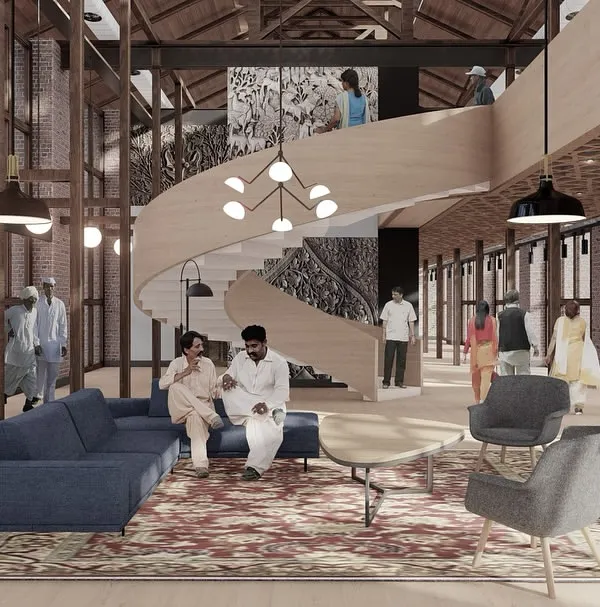
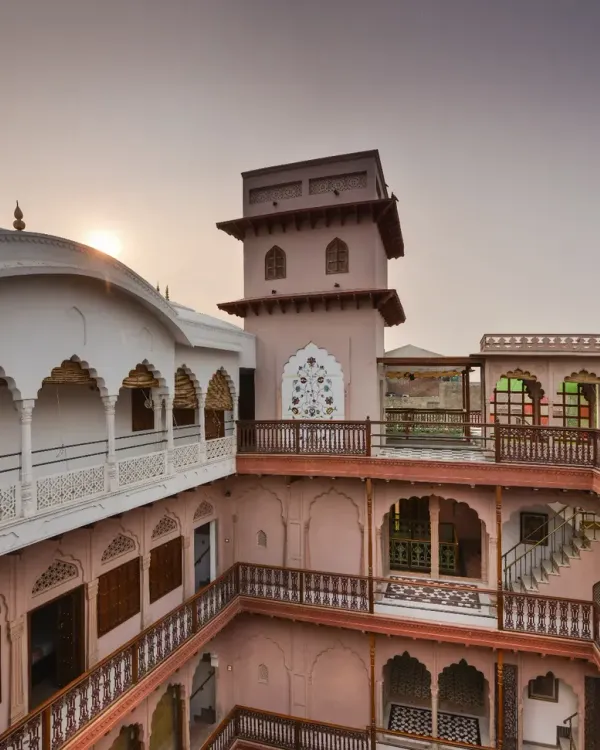
Restoration is about reviving the spirit of a place. Here in Old Delhi, we brought a historic haveli back to life as a cultural center, carefully preserving its aged patina while making it a vibrant backdrop for art, culture, and community gatherings.
In response to the pandemic, we reimagined a disused open space into an outdoor learning environment. Using materials already on-site, these curved benches and quiet corners demonstrate circularity and how thoughtful design can create spaces for contemplation and connection.
Can a contemporary music department exist within a heritage building? This video explores the transformation of a space at Woodstock School, finding the fine line between honoring the past and integrating modern technology to create a state-of-the-art black box theatre.
A glimpse into the complex structural retrofit of Parker Hall at Woodstock School. This image showcases the engineering and innovation required to adapt a heritage building into a modern performance space, balancing technical challenges with conservation concerns.
Co-creation is the heart of my process. Here, I am engaged in a workshop with Masters of Urban Design students, exploring urban policy and adaptive reuse. Mentorship is a key value, helping shape the next generation of architects.
Our design philosophy is rooted in environmental consciousness and circularity. This restored haveli courtyard, with its repurposed elements and focus on sustainability, embodies our commitment to creating spaces that are both beautiful and responsible.
About Featured
You will notice a recurring theme across these projects: we believe the most sustainable building is the one that already stands. Whether we are retrofitting a dark 1920s attic into a bright workspace or converting an Old Delhi haveli into a cultural hub, our process avoids demolition in favor of structural adaptation. We rely on what is already on-site, using clever interventions to give these structures a new life while respecting their original bones.
Our approach to architecture is rooted in the belief that heritage conservation must remain relevant to the climate, culture, and community. We do not treat old buildings as static museums but as living environments that can evolve.
The Philosophy of Adaptive Reuse
Adaptive reuse is the backbone of our practice. By repurposing historical footprints, we drastically reduce the carbon footprint of new construction. For instance, our work at Woodstock School involved complex structural retrofitting to turn existing attics and halls into state-of-the-art performance spaces and music studios. We integrated modern acoustic and lighting systems while preserving the historical narrative of the buildings.
Placemaking and Community
Design is not just about aesthetics; it is about how people interact with a space. Our placemaking interventions, such as the outdoor learning hubs created during the pandemic, demonstrate how simple, circular design can turn a forgotten corner into a community anchor. We facilitate this through on-site design charrettes and workshops, ensuring the end result reflects the needs of those who use it every day.
Our Technical Process
- Circular Design: We audit existing materials, from wood to stone, to see what can be upcycled or repaired.
- Jugaad and Innovation: We use traditional techniques, like lime punning, alongside contemporary structural engineering to ensure durability.
- Co-Creation: We work closely with stakeholders to mediate conflicting needs and align on a shared vision.
Whether you are looking to revitalize a heritage property or need a strategic retrofit for an existing structure, our process focuses on long-term sustainability and meaningful design.
Similar work from other experts
Browse through Curated picks from other experts on mytribe
 8
8
Our Featured Projects in Adaptive Reuse
 7
7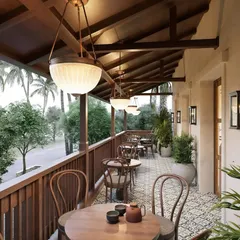
Heritage Restoration and Adaptive Reuse Projects
 8
8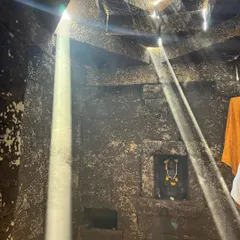
Featured Architectural Projects and Heritage Restorations
 7
7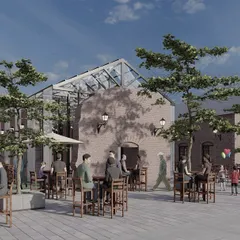
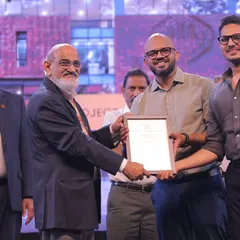
Award-Winning Adaptive Reuse and Heritage Projects
 10
10
Featured Architecture and Heritage Restoration Projects
 8
8
Featured Architectural Projects and Heritage Restorations
More from Urban Design & Placemaking by Aishwarya Tipnis Architects
More services by Aishwarya Tipnis Architects