Heritage Haveli and Palace Restoration
We help you breathe new life into ancestral homes, balancing their historic character with the comforts of contemporary living through mindful conservation and adaptive reuse.
The main hall of a 19th-century haveli after restoration, featuring a classic checkerboard marble floor, restored doors, and a magnificent heritage chandelier, ready for its new life.
The same hall before our work began, with peeling paint and years of neglect hiding its incredible architectural potential.
The hall during the restoration process, with the floor partially laid and walls stripped back, revealing the original brickwork.
My team documenting and planning the floor restoration on-site, a critical step in ensuring the geometric accuracy of the marble inlay.
A close-up of the intricate marble border being painstakingly restored. This level of detail is what brings the character of the haveli back to life.
A detail of the black and white marble inlay work, a classic feature of haveli architecture that we were careful to restore using traditional methods.
The restored courtyard of the Kathika haveli in Old Delhi, now a vibrant cultural center. The living tree is the heart of the space, around which the entire restoration was planned.
The courtyard at Kathika filled with visitors, demonstrating its success as a public cultural space that brings the community together.
A view of the courtyard before it was bustling with life, showing the restored architectural details and the central tree that defines the space.
Looking down into the courtyard from a restored wooden balcony, a perspective that highlights the traditional inward-looking architecture of the haveli.
About Grand Residences: Restoring Havelis & Palaces
Restoring an ancestral home is rarely about just making it look new. It is about understanding the building's material pathology—why the walls are damp or how the timber has settled—before we touch a single stone. We prioritize non-invasive assessments and traditional techniques like lime mortar curing to ensure the structure remains healthy for decades, rather than applying quick fixes that might cause damage in the long run.
Our approach to heritage restoration goes beyond superficial aesthetics. We view every haveli or palace as a living entity that requires a specific, evidence-based care plan.
Our Conservation Methodology
-
Heritage Health Check: Before beginning any design work, we conduct a site diagnostic report. We identify structural distress, termite infestation, and material decay. This step is critical for determining the viability of the project and identifying historically significant elements that must remain untouched.
-
Adaptive Reuse & Design: Whether you are transforming a colonial bungalow into a private residence or converting a haveli into a cultural center, our goal is to integrate modern utilities like HVAC and electrical systems invisibly. We ensure that glass partitions, mezzanines, and service routings do not compromise the original framework.
-
Traditional Craftsmanship: We move away from modern cement repairs, which often trap moisture and damage historic masonry. We train and oversee masons in traditional techniques, such as the weeks-long curing process of lime mortar and authentic timber joinery.
Navigating Regulations
We provide guidance on complex heritage bylaws, including ASI and NMA regulations, to ensure your project proceeds smoothly. Our involvement covers everything from archival research for period-accurate design to creating detailed Bills of Quantities (BOQ) that keep costs transparent.
By focusing on 'placemaking'—creating spaces that matter to their community—we help you secure the legacy of your property for another century.
Similar work from other experts
Browse through Curated picks from other experts on mytribe
 13
13
Heritage Restoration and Adaptive Reuse
 28
28
Reimagining Heritage Architecture
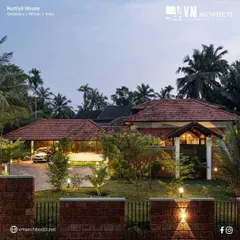
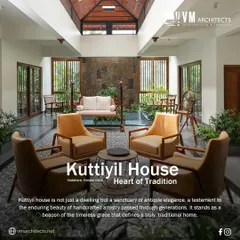
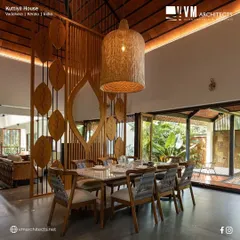
Ancestral Homes Reimagined: Restoring Kerala Heritage
 29
29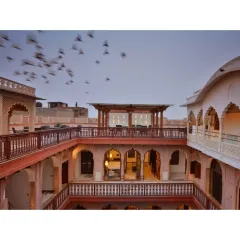
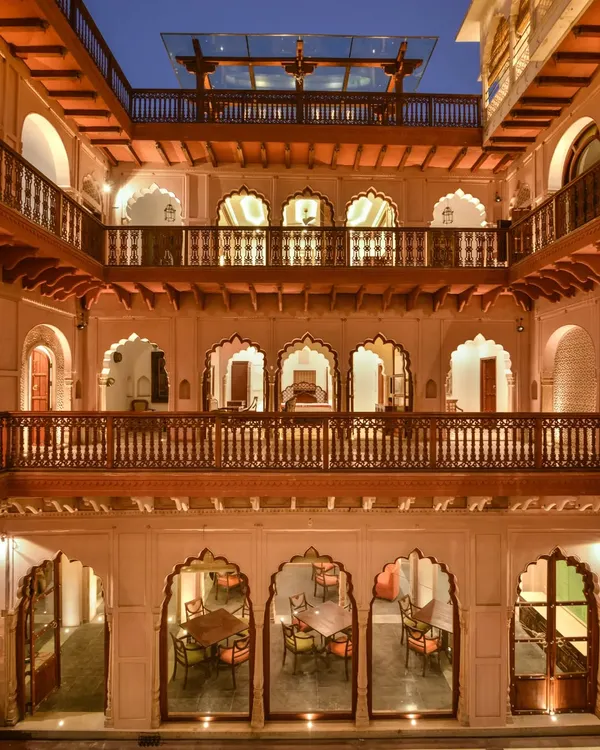
Heritage Hospitality: Restoring Mughal Grandeur
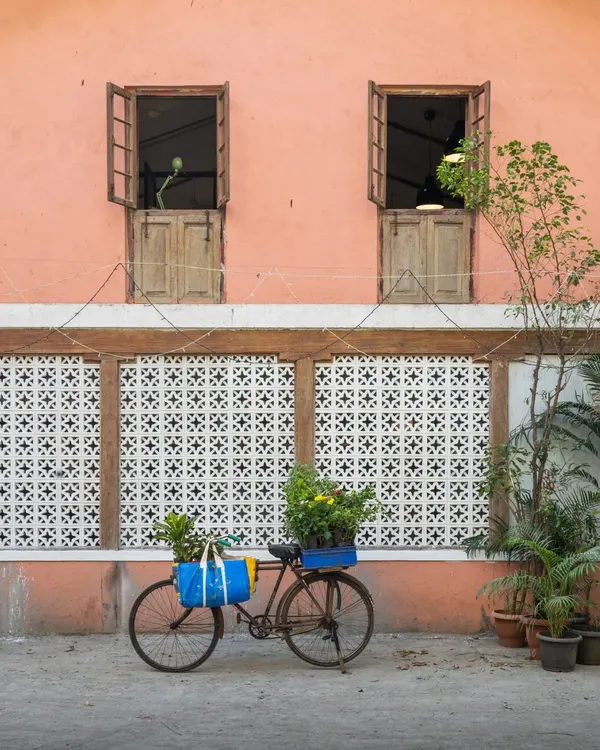 21
21
Heritage Home Restoration and Soulful Design
Heritage-Inspired Design & Restoration Services
More from Heritage Conservation & Adaptive Reuse by Aishwarya Tipnis Architects
More services by Aishwarya Tipnis Architects