Sitar Maintenance and Instrument Selection
A sitar is a living, breathing entity. It demands more than just practice; it needs specific care, from delicate jawari work to selecting the right tumba. Here is a look behind the scenes of my instrument and the craft that keeps it resonant.
The essential workshop trip for Jawari work. The icing on the cake was getting a peek into the warehouse where the instruments are born. Here I am with the craftsmen.
In the warehouse, surrounded by dried gourds (tumbas) that will become the resonant bodies of future sitars. It is fascinating to see the raw materials of our craft.
A craftsman inspects the gourds. The quality of the tumba is crucial for the tone and sustain of the sitar.
A visit to the iconic P & Brothers workshop in Kolkata, a hub for classical musicians. This is where instruments are made, repaired, and maintained by skilled artisans.
A close-up of the tuning process. Tuning a sitar is an art in itself, involving the main playing strings, the chikari drone strings, and the sympathetic strings that resonate underneath.
About The Sitar: Instrument & Care
If you are looking to buy your first sitar or maintain the one you have, the most important advice I can give is to avoid mass-produced instruments that feel hard to play. A good sitar requires specific calibration, especially the jawari, which is the bridge work that gives the instrument its signature sustain and tone. I often travel to specialized workshops to ensure my instruments are perfectly aligned, and I guide my students on exactly what to look for and what to avoid so they do not end up with an instrument that discourages them from practicing.
When you start playing the sitar, the instrument becomes an extension of your body. Beginners often make the mistake of buying an inexpensive, poorly constructed sitar, which can be incredibly frustrating. The frets may be misaligned, or the tumba, which is the gourd, may be of inferior quality, making it nearly impossible to produce a clear, sustained sound. My approach to teaching includes helping students source the right instrument from the start, as I believe the quality of the sitar directly influences your riyaz, or daily practice.
The process of jawari, the delicate filing of the bridge, is what truly defines the sitar's sound. It is not something you can fix easily at home. I visit specialized workshops to get this done because the subtle balance between the main strings, chikari, and sympathetic strings depends entirely on this work. If you are learning under the Rampur Senia Gharana style, you need an instrument that can handle the nuance of Dhrupad baaj. Whether you are in Gurgaon or learning online, I make sure you understand how to tune and maintain your instrument, from the humidity levels that affect the gourd to the fret position that impacts your meend, or gliding notes. Do not let a bad instrument stop your music before it even begins.
Similar work from other experts
Browse through Curated picks from other experts on mytribe
 9
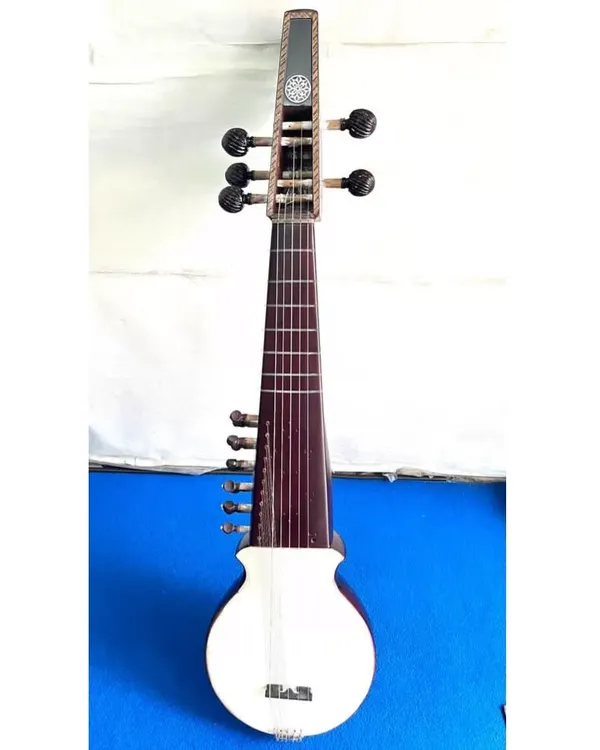
9Authentic Indian Classical String Instruments
Sitar Riyaaz and Technique Demonstrations
 8
8
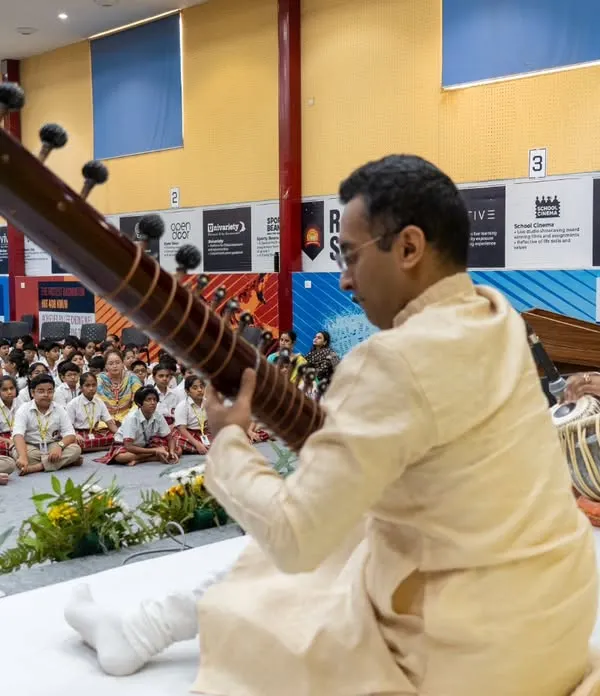
Sitar Performances and Indian Classical Music Workshops
 5
5


Candid Moments with the Sitar
Sitar and Surbahar Practice Sessions
Classical & Devotional Sitar Performances
More from Sitar Lessons by Shubhrodeep Pathak
More services by Shubhrodeep Pathak