What Counts as Harassment at Work?
Harassment is rarely a single incident. It often starts with subtle boundary-crossing and escalates into retaliation. If you feel like you are being gaslighted or targeted at your office, you need to know how to document it and take a stand.
I've handled POSH committee cases where widowed women are told they need a man's support and are then harassed with marriage proposals. When they refuse, they are retaliated against. In the private sector, this means being overburdened with work or given odd hours. In government jobs, it can mean a difficult posting.
Society does not respect a divorced woman, and this bias extends to the workplace. Colleagues and bosses often see a 'divorcee' tag as an opportunity to make inappropriate advances. Your personal life should never make you a target at work.
In private companies, I've seen committees try to protect the harasser by telling the victim she is "thinking wrong." They ask for witnesses for acts like staring or a "bad touch." When a woman doesn't give in to what the harasser wants, she is punished with odd work hours or a new, unfamiliar job role.
Harassment is far more common at the workplace, in public, or among neighbors than within families. If you are being stalked or troubled, file a complaint. Don't worry about what society thinks. Once the harasser is in jail, the same society will criticize him.
About What Counts as Harassment?
In the private sector, many internal committees operate with a bias to protect the organization rather than the victim. They often ask for impossible evidence like video proof of a 'bad touch' or staring incidents, using that gap to dismiss your complaint. My focus is on building your case by documenting the patterns of retaliation, such as sudden transfers, odd work hours, or isolation from your team, which committees cannot easily ignore.
Harassment at work is a systematic process. It begins with intrusive personal questions, unwelcome staring, or persistent requests for 'closeness.' When you reject these advances, the dynamics often shift toward retaliation. You might find yourself being given impossible tasks, shifted to departments where you cannot succeed, or excluded from meetings to ensure your professional decline.
Many victims feel that without a witness or video evidence, they cannot file a complaint. This is a myth. Your formal statement carries significant legal weight. My role is to help you map these incidents to the relevant sections of the Sexual Harassment of Women at Workplace Act, 2013, ensuring your complaint is legally sound.
We don't just file a complaint; we monitor the inquiry. If the Internal Complaints Committee (ICC) attempts to victim-blame or suggests you are 'misinterpreting' the behavior, we object immediately. We ensure the inquiry concludes within the statutory 90-day timeline. Whether you are dealing with a hostile supervisor or a company that wants to bury the issue, we fight to ensure you are heard. Do not wait for the situation to become unbearable. If you have been wronged, the time to act is when you recognize the pattern.
Similar work from other experts
Browse through Curated picks from other experts on mytribe
 18
18
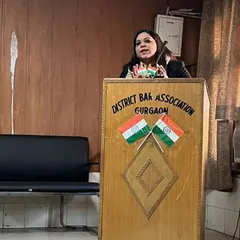
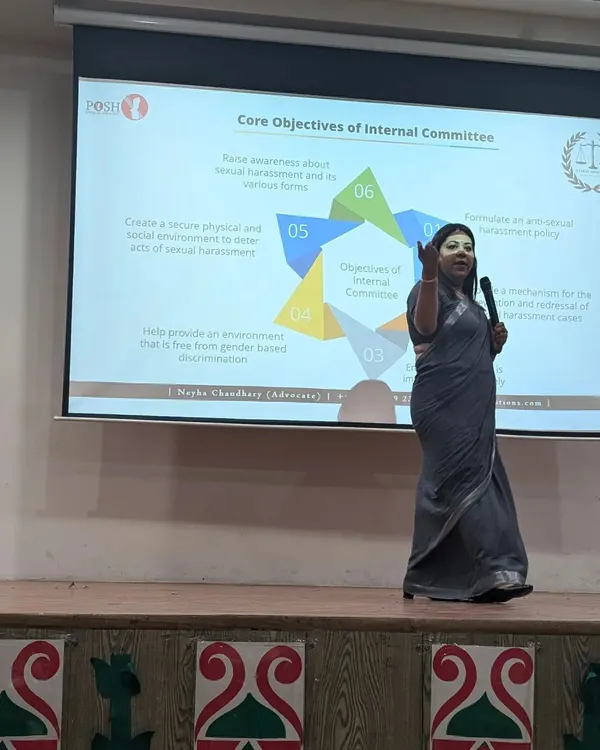
Interactive POSH Compliance & Workplace Safety Workshops
 34
34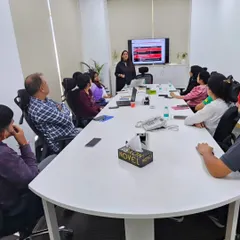

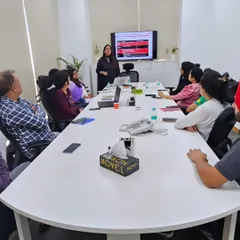
POSH & Corporate Compliance Workshops
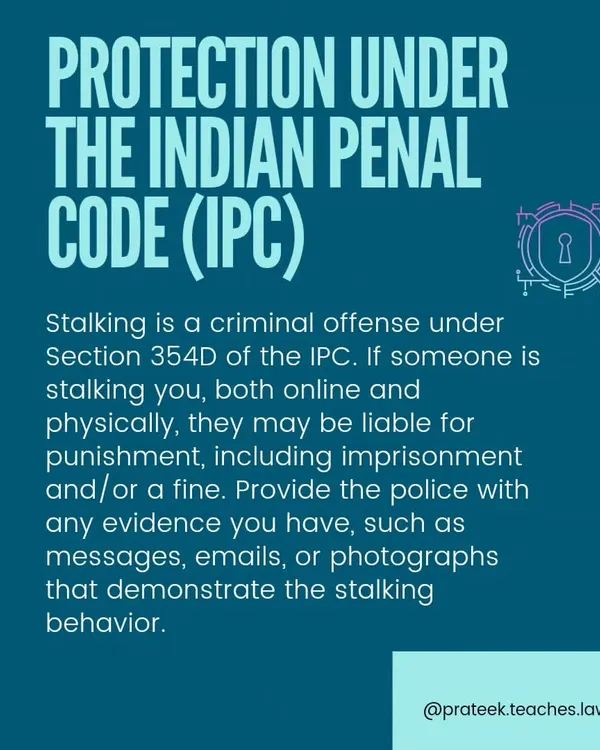 11
11
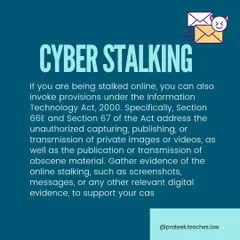
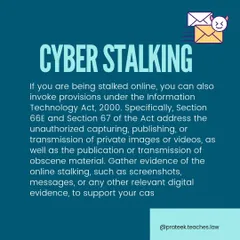
Legal Rights Against Online Stalking & Harassment
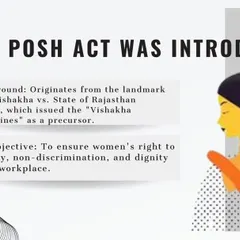
Corporate POSH Act Training & Compliance Workshops
Know Your Rights & Tackle Harassment
Domestic Violence & Abuse: Your Right to Safety
More from Workplace Harassment (POSH) Law by Shraddha Saxena
More services by Shraddha Saxena