Still Life Art Studies and Watercolor Techniques
Every stroke here is a lesson in light, texture, and patience. I believe that mastering the simplest objects is the only way to paint anything with real soul.
A watercolor study of a coconut and a pomegranate. This painting was an exercise in capturing contrasting textures, from the rough husk of the coconut to the smooth, shiny skin of the pomegranate.
This watercolor painting of white flowers in a metallic vase was a demonstration for my floral class. I focused on the delicate petals of the flowers and the complex reflections on the ornate vase.
An object study sheet from my online watercolor class. We practiced painting different surfaces and forms, including a sphere, a lemon, an onion, a tomato, and a copper pot.
A simple still life composition featuring a glass bottle and a clay pot. This watercolor painting is a study in light, shadow, and the transparency of glass versus the opacity of pottery.
A watercolor painting of a single red rose. This piece is a study in capturing the soft, velvety texture of the petals and the subtle variations in color.
A technical study sheet focusing on drawing and painting eyes. On the left is a detailed pencil drawing, and on the right is an expressive watercolor study, showing two different approaches to the same subject.
This collage shows various watercolor illustration elements I teach in my online class. It includes studies of trees, people, vehicles, and full market scenes.
A short video showcasing several watercolor illustrations from a workshop. You can see examples of a cityscape, a fruit stand, and a figure study.
A pair of quick watercolor illustrations. The top scene shows a busy street with a motorcycle, while the bottom one is a simple study of a classic yellow taxi.
A watercolor and pen illustration of a temple scene. The ink lines provide structure, while the watercolor adds life and atmosphere.
About The Art of Still Life
These pieces are my daily riyaz (practice). Whether I am painting a pomegranate or a glass bottle, the goal is to crack the code of how light hits a surface. If you are looking to learn watercolor, we start right here—understanding the transparency of glass against the weight of pottery. It is the foundation for every portrait or landscape I eventually paint for you.
Still life is how we train our eyes. It forces you to stop guessing and start observing the subtle shifts in color and tone. I use professional artist-grade pigments and high-quality 300 GSM cotton paper for these studies, because using inferior materials teaches you nothing about how paint actually behaves.
When I teach a class on still life, we deconstruct the composition first. We look at the shadow shapes, the local color, and the reflected light. My goal is to move you beyond merely copying a reference photo and teach you how to 'see' the object. We practice wet-on-wet techniques for backgrounds and controlled glazing for textures.
Whether you want to commission a piece that captures a sentimental object or join my online workshops to build your own technical foundation, the process remains the same: honesty in materials and rigorous practice. Understanding these basics is what allows me to bring the same level of detail to your family portraits or cityscapes later on.
Similar work from other experts
Browse through Curated picks from other experts on mytribe
 57
57
Still Life and Nature Studies in Watercolor
 20
20
Finding Beauty in the Everyday: Hand-Painted Still Life Art
 36
36
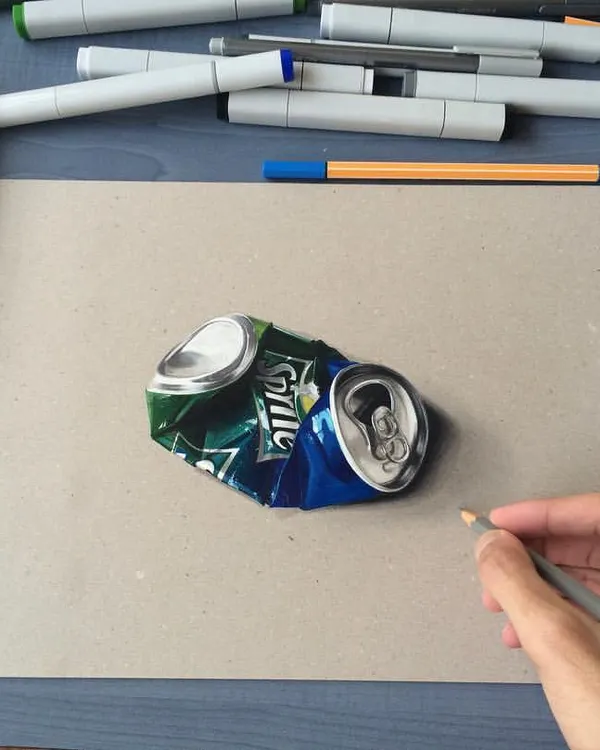
Still Life and Technical Graphite Studies
 18
18
Hyper-Realistic Object & Still Life Drawings
 5
5
Landscapes and Still Life Paintings
 42
42Still Life & Diverse Subject Drawing Classes
More from Custom Artwork by Shashank Shukla
More services by Shashank Shukla