From Blank Page to Masterpiece: My Creative Process
Every artwork begins as a simple sketch. Watch my process from the first pen stroke to the final layer of watercolor to see how I build a painting.
This video shows the creation of a watercolor illustration of a market scene. I start with a quick pen sketch to establish the composition and then add layers of watercolor to bring it to life.
Watch me paint a boat on the water using watercolors. This demonstration shows how I build up the texture of the water and the weathered details of the boat layer by layer.
A process video of a watercolor landscape featuring a riverside dwelling. This piece demonstrates how I paint reflections in the water and create lush, green foliage.
Capturing the reflection of a boat in watercolor requires careful control of the paint and water. This video shows my technique for creating a realistic water surface and reflection.
A quick tutorial on painting watercolor figures. This video shows how to simplify the human form into basic shapes and use color to suggest light and shadow.
This video captures the process of creating a small watercolor sketch of an artist at his easel. It's a quick study in capturing posture and form with minimal detail.
A simple watercolor sketch showing figures on the street. This is a great exercise for practicing composition and learning to paint people in motion.
Here are a few short videos demonstrating how I paint different types of trees in watercolor. Mastering foliage is a key skill for any landscape artist.
Here are a few short videos demonstrating how I paint different types of trees in watercolor. Mastering foliage is a key skill for any landscape artist.
Here are a few short videos demonstrating how I paint different types of trees in watercolor. Mastering foliage is a key skill for any landscape artist.
About From Blank Page to Masterpiece
I don't believe in magic, I believe in layers. When I start a piece, whether it is a portrait or a market scene, I focus on the structure first, using archival ink liners or graphite before touching a drop of paint. For watercolors, I use 300 GSM paper, which allows me to work wet-on-wet to get those soft, atmospheric edges without the paper buckling or yellowing. It is a slow, intentional process that makes the final piece durable and vivid.
Why Process Matters
Many people see the final painting and think it happened in an instant. The reality involves planning and patience.
- The Foundation: Every painting begins with a composition study. I sketch the core structure—reflections on water, the posture of a figure, or the lines of a house—before applying any color. This eliminates the uncertainty midway through.
- Material Matters: I strictly use 300 GSM cotton paper. Lesser paper creates frustration as it won't hold the heavy washes needed for deep shadows or rich skies. For ink work, I rely on waterproof archival liners, so your drawing does not bleed when I add layers of paint.
- My Technique: My go-to is the wet-on-wet method. By keeping the paper damp, I can blend light and shadow seamlessly. This creates the atmospheric effect you see in my landscape and seascape work.
- The Anti-Clutter Rule: When painting real locations, I often remove visual distractions like stray wires or trash from your reference photos. You are paying for a memory, not a mirror image of a messy street.
- Why Originality? I see a lot of copying in the art world. When we work together, I paint your memories, your photos, and your ideas. You get a piece of work that is genuinely yours, not a reproduction of someone else's style or a copy of a viral image.
Similar work from other experts
Browse through Curated picks from other experts on mytribe
Behind the Scenes of My Art


Behind the Art: My Sketches & Timelapses
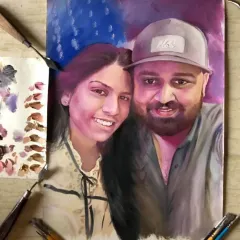
Behind the Scenes: My Custom Art Process & Tips
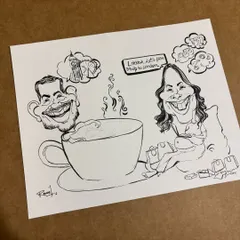
From Sketch to Masterpiece: My Custom Caricature Process
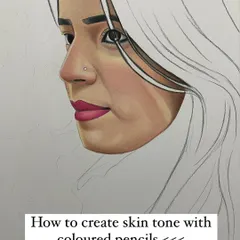
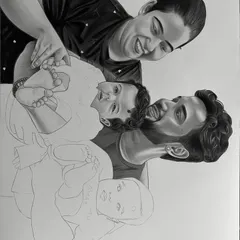
Behind the Scenes: The Creative Process
Behind the Brush: An Inside Look at My Creative Process
More from Custom Artwork by Shashank Shukla
More services by Shashank Shukla