Restoring Heritage Homes: The Art of Adaptive Reuse
Restoration is a quiet conversation between the past and the present. It is not about wiping a building clean, but about listening to the stories trapped in old bricks and lime plaster to give them a new, meaningful life.
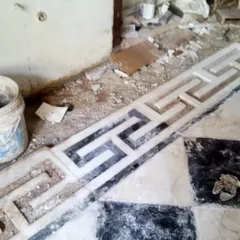
Every restoration begins with a conversation between what was and what will be. Here, you see the journey unfolding. The raw, textured walls hold the memory of the past, while the newly laid geometric tiles signal the start of a new chapter. This is the beautiful, messy process of bringing a story back to life.
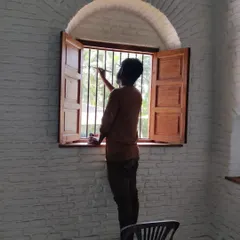
A window is more than an opening; it's how a home breathes and sees the world. Here, a new window with a classic design is framed in wood, installed during the restoration process. It’s a moment of progress, promising a future filled with light.
This is a space in transition. The original mitti walls are exposed, and the arched windows hint at the building's heritage. Empty shelves wait to be filled with stories. This is the quiet potential I look for in every project.
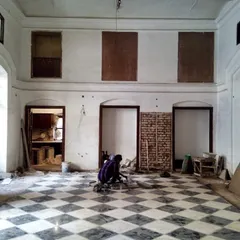
A doorway during construction, with freshly plastered walls meeting new tile work. This image captures the intersection of raw materials and finished surfaces, a pivotal moment in the journey of giving a space a new lease on life.
During my walks in Goa, I find stories in forgotten buildings. This video is a collection of moments that inspire me: the light through a stained-glass window, the faded colors of an old facade, and the silent rooms that wait for a new purpose. These are the souls of spaces I seek to revive.
About The Restoration Process
When I approach a restoration site, the first thing I do is test the structural integrity of the walls rather than looking for design flaws. Many clients assume an old building must be gutted, but I prefer to save original features like load-bearing beams or traditional window frames, reinforcing them with modern engineering instead of replacing them. This choice keeps the house's history intact and often reduces material waste, though it does require a more patient approach than a standard renovation.
Understanding Adaptive Reuse
My process centers on adaptive reuse, which means giving old structures a second life without erasing their past. Whether I am working on a farmhouse in Goa or a heritage apartment in Mumbai, I look for the original soul of the space. We start by stripping away non-structural modifications that have accumulated over time to reveal the core character of the building.
The Technical Side of Restoration
Restoration involves two distinct paths depending on the building's condition. For surface-level transformations, we use lime plaster and mud washes to allow walls to breathe, avoiding the damp issues common with modern cement and plastic paints. When a building requires a full structural overhaul, my focus shifts to safety. This involves replacing rotted timber beams, re-laying roofing tiles, and installing modern HVAC or plumbing systems hidden behind original architectural details.
Materials and Sourcing
I avoid mass-produced furniture and materials. My team and I hunt for reclaimed wood, vintage brass hardware, and period-correct tiles to match the home's era. If a piece cannot be found, we collaborate with local craftspeople to build it, ensuring the final result feels lived-in rather than showroom-perfect.
My Philosophy on Timelines
Restoration is slower than standard interior design. You are working with the unpredictable nature of old buildings, which often present surprises when you open a floor or a wall. I share this reality with all my clients upfront. We do not rush the process, because the joy of the project lies in the making, not just the finished room. When we take the time to respect the structure, the space rewards us with a sense of calm and history that cannot be bought.
Similar work from other experts
Browse through Curated picks from other experts on mytribe
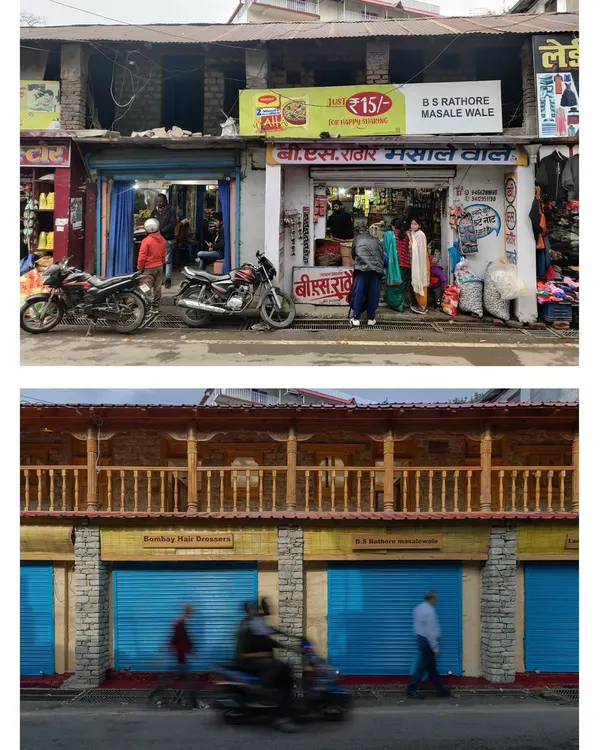 7
7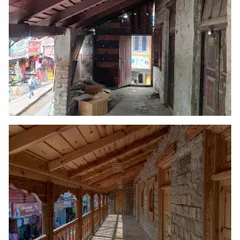
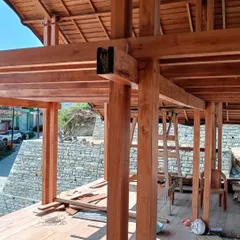
Heritage Restoration and Adaptive Reuse Projects
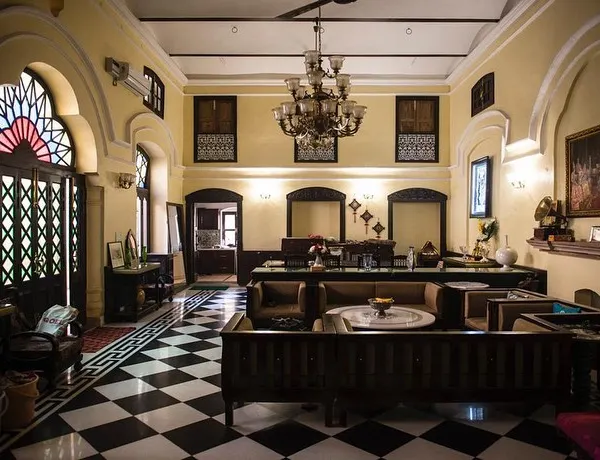 12
12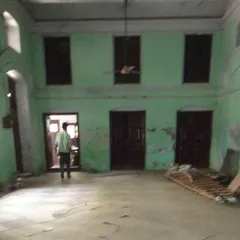
Heritage Restoration: Breathing Life into Architectural History
 13
13
Heritage Restoration and Adaptive Reuse Projects
 28
28
Reimagining Heritage Architecture
 8
8
Featured Architectural Projects and Heritage Restorations
Home Renovation and Historic Restoration Services
More from Heritage Restoration by Richa Bahl
More services by Richa Bahl