Breathwork and Meditation for Inner Calm
Discover how simple, guided breathwork can reduce daily stress and bring clarity to your mind. No flexibility required—just show up and breathe.
This quote is the foundation of my teaching. My focus is not on achieving difficult postures, but on using the simple, powerful tool of your breath to find inner serenity and peace.
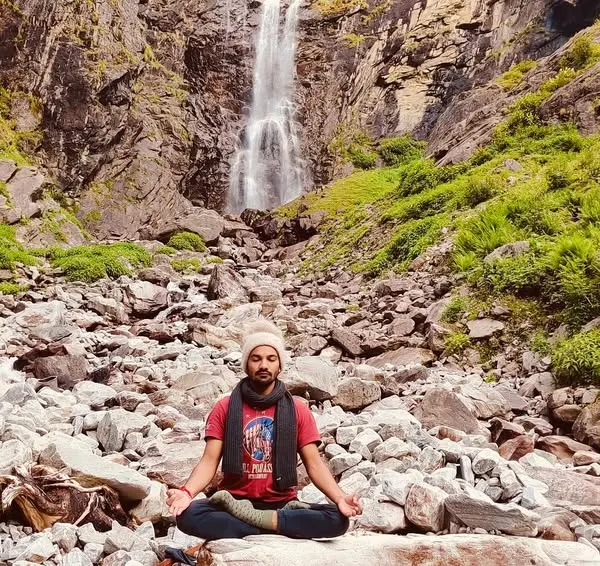
It is wonderful to see students like Yuvraj experience the benefits of breathwork firsthand. In this video, he shares how even one hour a week of online pranayama sessions has helped him understand these practices and apply them to his daily life.
Many people tell me, "I want to do pranayama, but my nose is always blocked." If this is your challenge, I have a simple and effective solution. In this video, I explain how a little bit of physical movement before your practice can open your nasal passages for clear breathing.
Our mind often reflects the state of our breath. In this short exercise, I guide you to observe your natural breathing for just three consecutive breaths to see how unstable the mind can be. This is the first step to understanding how breath awareness can bring stillness.
You do not need a special time or place to begin your practice. Here is a simple morning mobility routine you can do right in your bed to gently wake up your body, followed by a moment of silence to start your day with gratitude and calm.
Two of the most common mistakes in Anulom Vilom pranayama are poor posture and breathing too forcefully. I explain why it is important to sit straight and breathe gently, using a 1:1 ratio for inhalation and exhalation to calm your nervous system, not agitate it.
I am grateful to hear from students who have found value in our sessions together. These reviews highlight how personalized guidance can help improve posture, increase calmness, and unlock hidden potential, even for those with specific health challenges.
About Featured
Most people think breathwork is just sitting and inhaling, but the secret lies in your physical foundation. If your spine is slouching or you are forcing your breath, you will likely feel more agitated, not calm. In my sessions, we fix that foundation first with simple props like bolsters or blocks, ensuring your body supports your breath rather than fighting it.
When you look at yoga classes online, you see a lot of complex postures. But the real depth—and often the quickest path to a steady mind—is through pranayama (conscious breathing).
Whether you join me at my Pitampura studio or connect for a private session, the goal is always the same: shuddhi (cleansing) and dhyana (meditation). Many of my students come in with high stress, shallow breathing, or chronic back pain from long office hours. The fix is rarely more intense exercise; it is about re-learning how to breathe.
My Approach
I do not believe in a one-size-fits-all routine. We start by assessing your current state—are you dealing with anxiety, sleep issues, or general stiffness? From there, we work on:
- Corrective Posture: Using props to ensure your spine is aligned, which is essential for diaphragmatic breathing.
- Breath Mechanics: Moving away from 'forced' breathing (which can actually raise blood pressure) toward gentle, rhythmic cycles.
- Sustainability: Whether it is our 5-day immersion or ongoing group classes, I focus on building a habit you can actually keep.
The feedback I hear most often is about clarity. Once you learn to observe your breath without interfering, the mental noise starts to settle. It is not about being flexible enough to touch your toes; it is about having a nervous system that knows how to switch off when the world feels too fast.
Similar work from other experts
Browse through Curated picks from other experts on mytribe
 7
7Featured Yoga & Meditation Practices
Mindful Yoga, Breathwork, and Meditation
 23
23
Meditation and Pranayama Classes in Delhi
Breathwork & Meditation Sessions in Rajouri Garden
Pranayama and Meditation Classes for Stress Relief
Breath & Stillness: Pranayama and Meditation
More from Breathwork & Meditation for Stress Relief by Rajat Dua
More services by Rajat Dua