Mastering Pranayama: Techniques and Correct Practice
Pranayama is not just about breathing; it is about controlling your internal state. I help you move past common misconceptions and master techniques like Nadi Shodhan and Ujjayi with the right alignment and intention.
There is a key difference between simple deep breathing and pranayamic breathing. I explain how pranayama involves conscious control and the engagement of bandhas, or energy locks, which prevents the belly from moving and directs prana more effectively.
People often use the terms Anulom Vilom and Nadi Shodhan interchangeably, but they are different. I clarify that Anulom Vilom is the simple act of alternate nostril breathing, while Nadi Shodhan is a more advanced practice that includes breath retention to purify the body's 72,000 nadis or energy channels.
Two of the most common mistakes in Anulom Vilom pranayama are poor posture and breathing too forcefully. I explain why it is important to sit straight and breathe gently, using a 1:1 ratio for inhalation and exhalation to calm your nervous system, not agitate it.
Ujjayi, or the "victorious breath," is a foundational pranayama technique. I demonstrate how to perform it by gently constricting the back of the throat to create a soft, ocean-like sound, which helps to build internal heat and quiet the mind.
A common myth about Ujjayi pranayama is that you need to make a loud noise. I explain that the focus should be on feeling the mild friction of air in your throat, not on forcing a sound. The sound is an effortless byproduct of the correct technique.
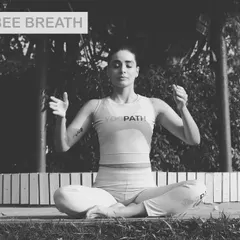
Bhramari, or the humming bee breath, is excellent for calming the mind, but many people make the sound from their throat. I show you the correct way to produce the sound from your nasal passage to create the right vibrations for maximum benefit.
About Mastering Pranayama: Techniques & Tips
Most people approach Pranayama by forcefully inhaling or slouching, which often agitates the nervous system instead of calming it. My focus is on the 1:1 ratio and spine alignment. When you get the mechanics right—engaging the bandhas and keeping the breath soft—the practice shifts from a physical exercise to a genuine tool for clearing mental fog.
Moving Beyond Common Mistakes
Many practitioners struggle because they treat breathwork as a physical workout rather than a subtle science. If you find your BP rising or your mind wandering during Anulom Vilom, you are likely breathing too forcefully. I teach students to move towards a 1:1 ratio, where the inhalation and exhalation are so subtle that you cannot hear your own breath. This is where the true calming effect begins.
Clarifying the Technique
People often confuse simple breathing with specific Kriyas. For instance, Anulom Vilom is excellent for basic balance, but Nadi Shodhan is a deeper purification practice involving breath retention to balance the nadis. Similarly, with Ujjayi, the goal isn't to make a loud ocean sound to impress others; it is to create mild friction in the glottis to focus the mind. In my sessions, we strip away the performance and focus on the internal sensation—the 'touch' of the air—so you can safely build your practice.
Why Correct Alignment Matters
Whether you are joining my small group sessions at my Pitampura studio or our online Pranayama immersions, we start with the basics: your seat. If your spine is collapsed, your diaphragm cannot move freely. We use props like bolsters and bricks to ensure your posture supports your breath. This structured approach is the difference between simply sitting on a mat and actually shifting your nervous system from a state of 'fight or flight' to rest and digest.
Similar work from other experts
Browse through Curated picks from other experts on mytribe
Pranayama & Breathwork for a Calm Mind
Traditional Pranayama Techniques and Breath Control in Saket
Core Breathing Techniques (Pranayama) for Daily Wellness
Pranayama & Meditation: Breathing for Calm and Focus
Breath is Magic: Pranayama Techniques for Stress Relief
Mastering Pranayama: Breathing Techniques for Daily Calm
More from Breathwork & Meditation for Stress Relief by Rajat Dua
More services by Rajat Dua