Your First Steps in Breathwork and Meditation
Starting a breathwork practice does not require flexibility or hours of free time. If you feel overwhelmed, these simple techniques will help you settle your mind and build a routine that actually sticks.
A straight spine is crucial for pranayama and meditation, but sitting can be uncomfortable. I demonstrate how using a simple prop like a folded blanket or cushion can help your knees drop and your spine align naturally, allowing you to get the maximum benefit from your practice.
Many people tell me, "I want to do pranayama, but my nose is always blocked." If this is your challenge, I have a simple and effective solution. In this video, I explain how a little bit of physical movement before your practice can open your nasal passages for clear breathing.
A common question is, "What is the best time to meditate?" I explain why early morning, just after waking, is the most conducive time. Your body is rested, your mind is not yet overactive, and your senses are turned inward, making it easier to experience deep meditation.
You do not need a special time or place to begin your practice. Here is a simple morning mobility routine you can do right in your bed to gently wake up your body, followed by a moment of silence to start your day with gratitude and calm.
About Your First Steps in Breathwork & Meditation
Most people struggle to meditate simply because they start in the wrong position. If your hips are tight, your back rounds, and your breathing becomes shallow. Using a folded blanket to elevate your hips isn't a shortcut; it is a necessary adjustment to align your spine so your breath can actually flow. Don't worry about sitting cross-legged for an hour right away—start with your setup.
Solving Common Obstacles
Many students come to me saying, 'Rajat, I want to practice, but my nose is blocked.' If you force pranayama while congested, you get frustrated. Before you sit, move. Do 15 minutes of Surya Namaskar or light movement to generate heat in the body. You will see that your nostrils open naturally, and your breath becomes effortless. Dheere-dheere (slowly-slowly), you will find your rhythm.
Why Timing Matters
People often ask, 'What is the best time?' While consistency is the most important factor, there is a reason early morning is traditionally recommended. When you wake up, your senses are not yet overactive, and your mind is rested. You have not yet accumulated the day's stress. Even five minutes of Shavasana or simple Ujjayi breath right after waking can set a different tone for your entire day.
Practical Tips for Beginners
- Alignment Over Perfection: If your back hurts, you cannot focus on your breath. Use props. Use blocks. Your body needs to be stable, or Sthira, before it can be comfortable, or Sukha.
- Stop Rushing: Bahut log jaldi karte hain (Many people rush). Pranayama is not a race. If you are doing Anulom Vilom, ensure the ratio is even. If you start gasping, you have lost the point of the practice.
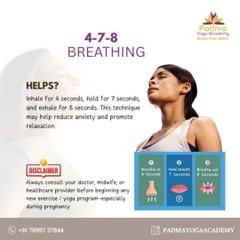
- Build Gradually: Start with 5 minutes of focused breathing. Do not aim for an hour. Consistency creates the transformation, not the duration of a single session.
Whether you are dealing with work stress or just want to feel calmer, remember that breathwork is a tool to manage your nervous system. You do not need to be a yogi to start. Just show up.
Similar work from other experts
Browse through Curated picks from other experts on mytribe
Guided Pranayama and Meditation Sessions
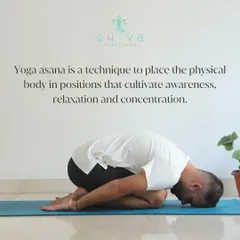
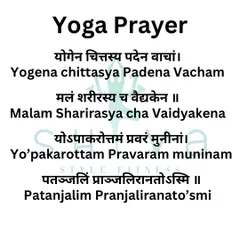
Mindful Moments: Pranayama & Meditation
Breath & Stillness: Pranayama and Meditation
Simple Breathing Exercises, Meditation & Mudras
 7
7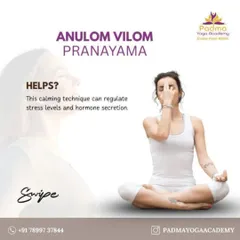
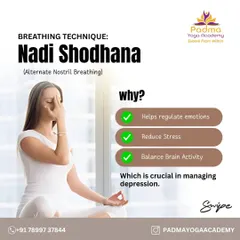
Breathwork and Meditation for Inner Calm
Pranayama and Meditation Classes for Stress Relief
More from Breathwork & Meditation for Stress Relief by Rajat Dua
More services by Rajat Dua