Understanding Your Health and Nutrition Facts
Most health advice online is noisy and overwhelming. I break down complex topics like PCOS, blood reports, and nutrition into simple, actionable steps that actually make sense for your daily life.
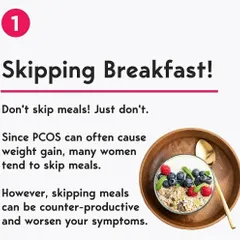
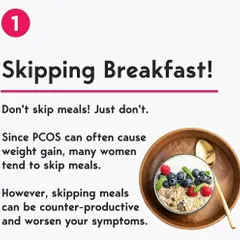
You don't need a fancy or restrictive diet to manage PCOS. The key is to stick to the basics: a diet rich in high-fiber carbs like dal and millets, lean proteins like eggs and paneer, and healthy fats from ghee and nuts. Daily hydration and movement are also crucial.
Losing weight with hypothyroidism can be challenging, but it's achievable. Prioritizing protein is key, with sources like paneer, tofu, eggs, and chicken. These foods help preserve muscle and keep you feeling full, which is essential when managing this condition.
To lose weight with hypothyroidism, start moving with brisk walking for 30-45 minutes, 5 days a week. Adding strength training 2-3 times a week will help build muscle and improve your metabolism. Even light movement throughout the day, like taking the stairs, counts.
Are you low on iron? Iron deficiency is one of the most common nutritional deficiencies worldwide. Let's understand how it affects you, the common symptoms to look for, and what you can do about it.
The symptoms of iron deficiency can be subtle. Common signs include fatigue or weakness, pale skin, shortness of breath, hair thinning, dizziness, headaches, poor concentration, and cold hands and feet.
Iron deficiency is the world's most common nutritional deficiency, especially in women and vegetarians. However, diet isn't always the only cause, and sometimes it's not even the main one. Hidden blood loss or absorption issues can also be a major factor.
Spotting is light bleeding that happens outside your regular period. It's usually lighter in color (pink, red, or brown) and may last from a few hours to a couple of days. Understanding its causes is important for your health.
Early period spotting can be caused by several factors, including hormonal birth control, high stress, sudden weight loss, or poor sleep. Uterine conditions like fibroids or endometriosis can also cause unexpected bleeding.
What is visceral fat? It's the harmful fat stored deep inside your abdomen, surrounding your organs. Unlike the fat under your skin (subcutaneous fat), visceral fat isn't visible, but it is far more dangerous to your health.
To reduce visceral fat, you need to focus on diet. This includes being in a calorie deficit, eating a high-protein and fiber-rich diet, including healthy fats, and limiting sugar and processed foods to reduce inflammation.
About Understanding Your Health
I do not just hand you a meal plan; I teach you the 'why' behind the choices you make every day. If you have been struggling to lose weight with conditions like hypothyroidism or PCOS, looking at your blood markers and understanding inflammation is where we start.
You have likely read a dozen contradictory tips on managing PCOS or stubborn weight gain. The problem with most advice is that it treats every body the same. My approach is to help you understand what your body is actually saying through reports and daily feedback.
Why the 'Why' Matters
When you understand why you feel tired or why your weight has plateaued, you stop guessing and start fixing. For example, knowing the difference between visceral fat and subcutaneous fat changes how you approach your workouts. Understanding that iron deficiency, and not just calorie intake, might be the reason for your fatigue, helps us target the root cause.
What We Cover in Our Sessions
- Condition Management: We break down the science behind PCOS, hypothyroidism, and iron deficiency, so you know exactly which foods help and which ones to moderate.
- Blood Report Analysis: We look at your markers like CRP or Prolactin to understand inflammation levels, rather than focusing solely on the number on the scale.
- Sustainable Nutrition: No restrictive diets here. We focus on how to construct a plate using Indian home-cooked meals, ensuring you get the protein and fiber you need without needing fancy supplements.
- Movement Psychology: We figure out a movement plan that fits into your actual schedule, whether you have 15 minutes or an hour, focusing on consistency over intensity.
My goal is to make you an expert on your own health, so you don't have to rely on guesswork or temporary fixes ever again.
Similar work from other experts
Browse through Curated picks from other experts on mytribe
The Science of Healthy Eating: Practical Nutrition Tips
 4
4
PCOD and Thyroid Management Through Holistic Fitness
Managing PCOS, Thyroid & Diabetes Naturally
Understanding Women's Hormonal Health and Wellness
Decoding Your Body's Health Signals
 34
34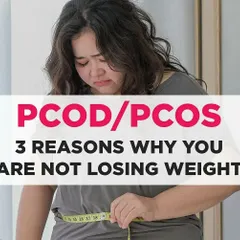
Managing PCOS and PCOD Symptoms Naturally
More from Postpartum Fitness & Recovery Coaching by Aksshaye S Shetty
More services by Aksshaye S Shetty