Practical Courtroom Craft for Aspiring Lawyers
Stop treating law school theory like courtroom reality. I teach aspiring lawyers how to build arguments, read the bench, and navigate the grind of litigation without relying on a legal legacy.
Finding a relevant case law is just the first step. The real skill lies in building a case strategy around it. I teach young lawyers how to extract the legal principle, or ratio, and apply it to their client's specific situation to build a winning argument.
Legal maxims are the foundation of many legal principles. This video is a quick guide to ten essential Latin maxims every law student and lawyer should know, from 'Audi alteram partem' to 'Ubi jus ibi remedium'.
One of the most common questions I get is how to read a court judgment effectively. I break down the process into simple steps: identify the material facts, understand the legal questions, and most importantly, extract the 'ratio decidendi' or the core reasoning of the court.
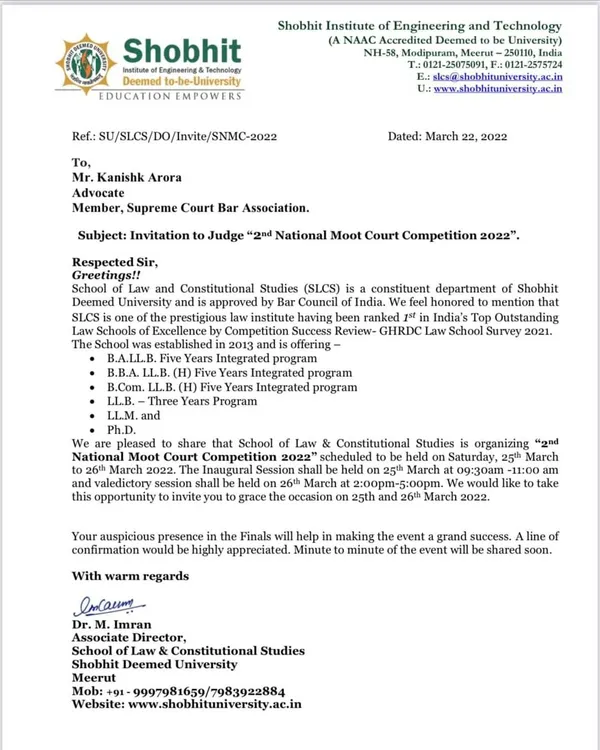
During a guest lecture at Jindal Global University, I covered cross-border disputes in family law. We discussed complex issues like NRI divorces, international child custody, and the validity of foreign decrees in India, linking them to related criminal proceedings.
For first-generation lawyers, it is crucial to avoid common mistakes like undervaluing your time or feeling embarrassed about not knowing legalese. You earned your seat at the table, so walk in like you belong. Because you do.
Rule number one for a first-generation lawyer is to learn to knock louder because no one will open doors for you. This means actively networking, building your confidence, and understanding that your self-belief is a survival skill in this profession.
About Courtroom Craft for Aspiring Lawyers
Many fresh graduates treat case law like poetry, reciting it without understanding how to apply the ratio decidendi to their specific facts. That is where most cases are lost. In these sessions, we focus on the transition from academic theory to actual court strategy, covering everything from bail arguments to professional etiquette.
Theory vs. The Daily Grind
Law school provides the foundation, but it rarely teaches you the rhythm of the courtroom. As a first-generation lawyer, I built my practice from the ground up, one case at a time. My guidance is designed to bridge the gap between what you read in a textbook and what you actually need to do to secure a bail order or draft a compelling brief.
What We Cover
- Argument Building: We move beyond simple citations. I show you how to build a chain of authority that forces the judge to engage with your specific facts rather than just the general law.
- Reading the Bench: Understanding the mood of the courtroom is a survival skill. I teach you how to identify when to press an argument and when to pivot.
- First-Gen Survival: We discuss the operational reality of litigation. How do you value your time? How do you network without connections? We tackle the uncomfortable parts of the profession that no one talks about in class.
Why This Approach Works
There is no substitute for hard work, but hard work without strategy is just exhausting. My goal is to help you stop waiting for doors to open and start knocking on them yourself. Whether you are a law student or a junior advocate, this masterclass is about learning how to show up with confidence because you have done the prep work.
Similar work from other experts
Browse through Curated picks from other experts on mytribe
 11
11


Practical Litigation Training and Legal Mentorship


Mentoring the Next Generation of Legal Professionals
Practical Career Guidance for Aspiring Lawyers
Career Guidance for Law Students and Junior Advocates


Practical Legal Training & Career Mentorship
Career Strategy & Mindset for Advocates
More from Legal Education Programs by Prachi Pratap
More services by Prachi Pratap