Tracking the Elusive Leopard in Rajaji
Leopards are masters of stealth, blending into the dry riverbeds and thickets of Rajaji. Capturing them requires more than just a lens; it demands patience, local tracking knowledge, and knowing exactly where to wait for the light.
A large male leopard named Heera confidently patrols his territory in Rajaji National Park. Capturing such a clear, open shot of this shy animal is a testament to the park's thriving population and our patient tracking.
A male leopard walks across a dry riverbed in Rajaji, its muscular form on full display. This environment offers unique opportunities for unobstructed views and photography.
A female leopard relaxes by an artificial lake in Rajaji National Park, grooming herself. This video provides a rare, intimate look at the casual behavior of a typically wary predator.
A leopard named Heera makes his way through the jungle in Rajaji. This clip shows the typical safari experience of spotting a big cat on the move and following at a respectful distance.
A leopard on the move across a stony path, its spotted coat a perfect match for the terrain. This image highlights the challenge and reward of wildlife photography.
A leopard stalks through the tall, dry grass in Rajaji, demonstrating its incredible ability to blend into the landscape.
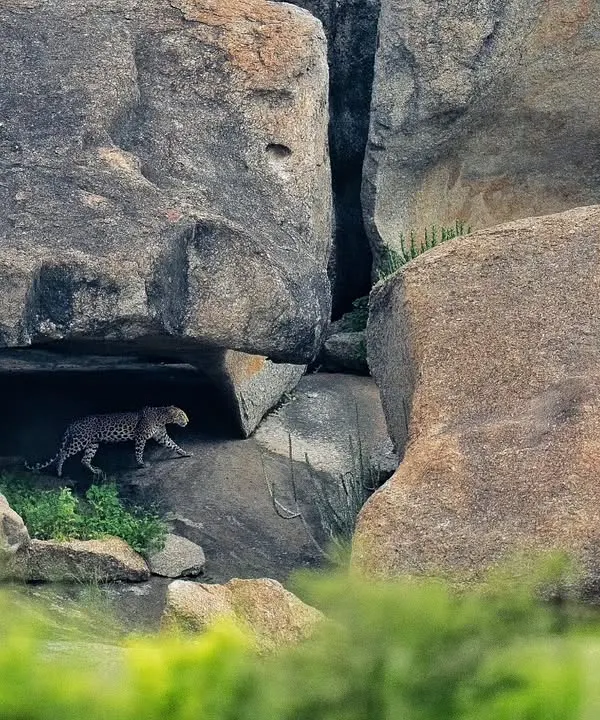
A leopard sits on a rocky outcrop in Rajaji, surveying its territory. These moments of stillness allow for beautiful portrait shots.
Another angle of the female leopard relaxing by the lake in Rajaji, showcasing her calm demeanor in a safe environment.
About The Elusive Leopard: Masters of Stealth
Finding a leopard is often about anticipation rather than reaction. I work with local trackers in Rajaji to position our jeep based on the terrain and heat, which is why we often get those clear, open-field shots rather than just glimpses of a cat disappearing into the bushes.
The Art of Leopard Tracking
Photography in Rajaji National Park is not just about having a long lens. It is about understanding the landscape. Leopards are shy, and they move with purpose. When we are on a safari, we look for alarm calls from langurs and deer, but more importantly, we study the riverbeds and rocky outcrops where these cats prefer to move.
Technical Approach for Big Cats
When you finally spot a leopard, the adrenaline hits, and that is when most people miss the shot.
- Camera Settings: I teach you to keep your shutter speed high, even in low light, to handle sudden movements.
- Metering: We focus on spot metering to ensure the leopard's coat is well-exposed against the often harsh background of dry forest floors.
- Composition: We aim for 'eye-level' shots. It changes the perspective entirely, making the viewer feel like they are in the jungle with the animal.
Why Rajaji and Jhalana?
These locations are shifting the narrative on leopard photography in India. Unlike dense forests where you might only see a tail, these areas offer open, rugged terrain. It is hard work to find them here, but when you do, the results are worth every hour of waiting. My tours are focused on small groups because silence is our best tool. We respect the animal's space, which in turn leads to more natural, calm behavior, giving you the best chance for that portrait shot.
Similar work from other experts
Browse through Curated picks from other experts on mytribe
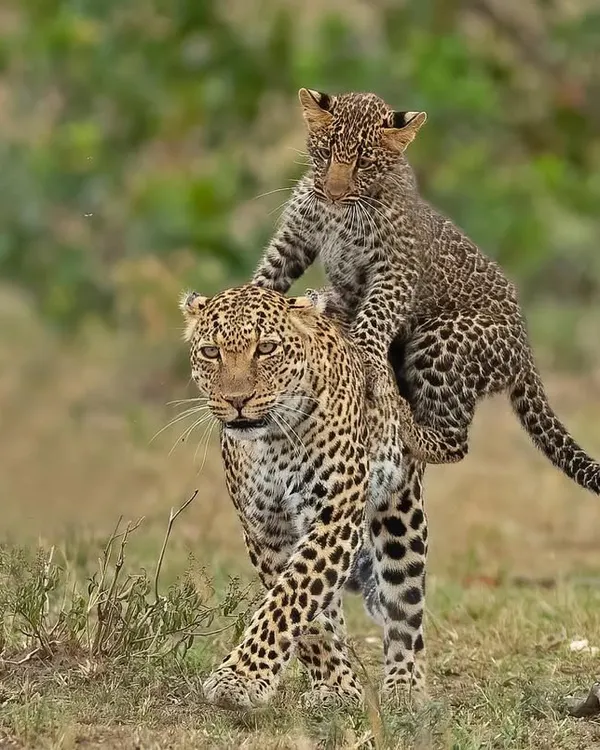 11
11
Leopard Photography Safaris in Jawai and Bandipur
 5
5
Leopard Photography Expeditions and Tracking Tours
 37
37
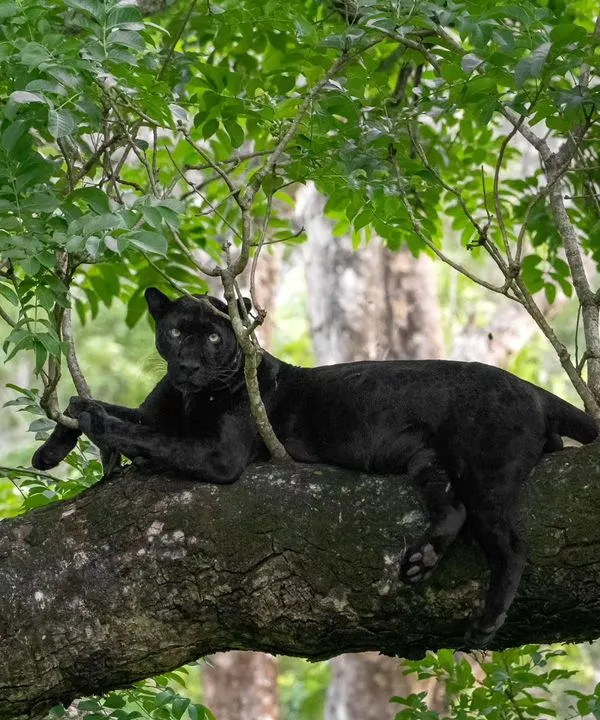
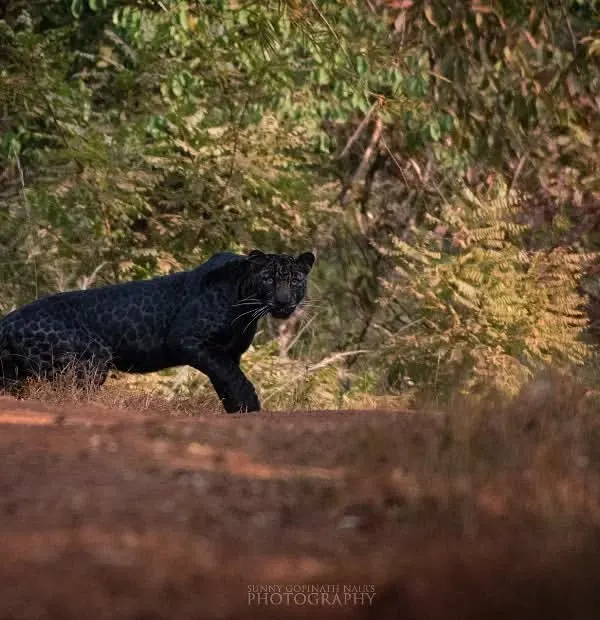
Leopard and Black Panther Wildlife Photography Tours
 24
24
Big Cat Photography Expeditions
 15
15
Tracking Leopards, Lions and Cheetahs: Big Cat Photography
 4
4
Big Cat Safari Photography and Wildlife Tracking
More from Wildlife Photography Tours by PGahlot Photography
More services by PGahlot Photography