Tracking Leopards, Lions and Cheetahs: Big Cat Photography
Join me on the trail of the world's most elusive predators. Whether it is the black panther of Kabini or a lion in the Maasai Mara, we focus on capturing their raw, unfiltered stories in the wild.
The famous black panther of Kabini stops for a drink, its yellow eyes glowing against its dark coat. This was a breathtaking moment, capturing a reflection of this rare and beautiful animal.
A huge male lion with a magnificent mane walks towards us in the golden light of the Maasai Mara. Capturing this powerful, head on walk is a key goal on my African photo safaris.
Two cheetah brothers scan the horizon in the lush marshes of Amboseli. This location offers a unique, textured background for photographing Africa's fastest land animal.
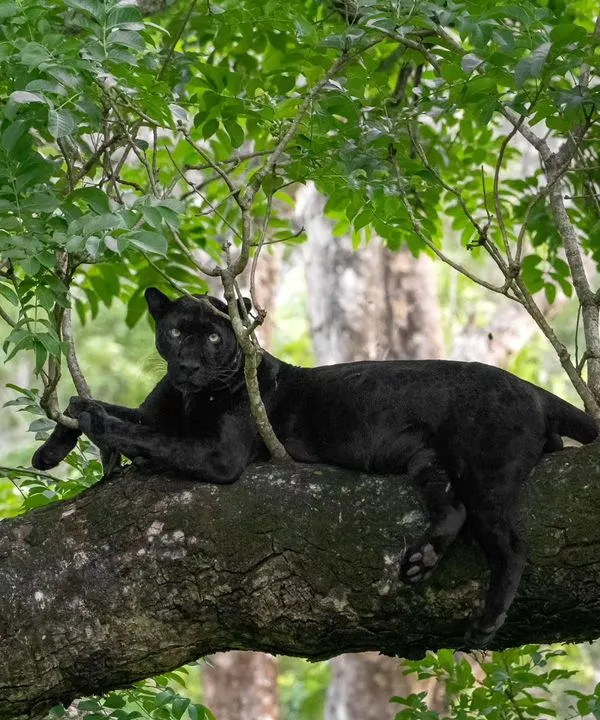
A classic Kabini scene: a leopard relaxing on a tree branch. While less common now, these sightings are a throwback to when this park was known as the leopard capital of India.
A majestic male leopard in Bhadra Tiger Reserve, tail held high as it scent marks its territory. We captured this incredible sequence during a boat safari, showcasing a unique way to view wildlife.
A leopard rests among the dry leaves and fallen logs in Bhadra, its spotted coat providing perfect camouflage.
The same male leopard from Bhadra on the move, its powerful muscles evident as it walks through the forest floor.
A striking portrait of the Bhadra leopard looking back over its shoulder, offering a moment of direct eye contact.
This leopard stretches against a fallen log, a behavior that helps keep its muscles flexible for the hunt.
A portrait of a male lion on the Ndutu Plains with the lake in the background. On safari, we learn to use the vehicle to change our angle and create different compositions.
About Leopards, Lions & Cheetahs: Elusive Predators
It is not just about driving around, it is about positioning the safari vehicle to get the right light. On my tours, I teach you how to use the vehicle to change your angle, allowing you to turn a standard eye-level shot into something dramatic with a clean background. We keep group sizes tiny, usually just 3 to 4 people, so you have the space to move your lens and never feel like you are fighting for a window seat.
Photographing big cats is a game of patience and anticipation. In parks like Kabini or Bandipur, finding a leopard means reading the forest, listening to the alarm calls of langurs or deer. It is detective work. When we do find them, the focus shifts to composition. We discuss why a leopard on a tree branch needs a different approach than one walking on the forest floor, focusing on isolating the subject from the busy undergrowth.
In Africa, the scale is different. The Maasai Mara offers vast, golden horizons where we can play with lighting and silhouettes, especially with lions and cheetahs. My workshops are about shifting from tourist snapshots to deliberate photography. We cover how to manage exposure in high-contrast lighting, like a cat coming out of the shadows into the sun, and how to anticipate movement before it happens. Whether you are testing out new gear or just trying to understand the animal's behavior to predict its next move, the goal is the same: capturing a story, not just a picture. We break down the technical settings, from shutter speed for action sequences to aperture choices for that perfect, creamy background blur.
Similar work from other experts
Browse through Curated picks from other experts on mytribe
 67
67
The Great Cats of Africa: Wildlife Photography Expeditions
 37
37
Leopard and Black Panther Wildlife Photography Tours
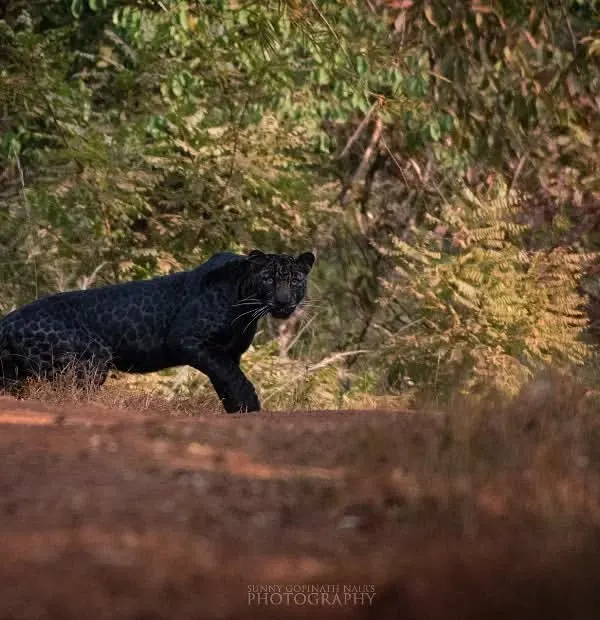 4
4
Big Cat Safari Photography and Wildlife Tracking
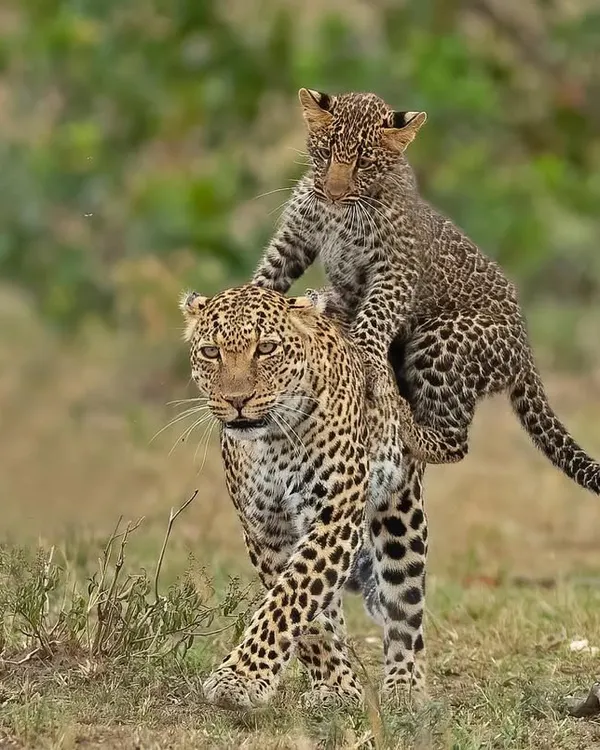 11
11
Leopard Photography Safaris in Jawai and Bandipur
 23
23
Big Cats of the Jungle: Tiger & Leopard Photography
 5
5
African Savannah: Big Cat Photography Tours
More from Wildlife Photography Tours & Workshops by Phillip Ross