Wetland Wonders: Birds of India's Waterlands
I spend my weekends in the wetlands, from the marshes of Gujarat to lakes across India, capturing the quiet lives of water birds. These photos document the species that call these waterlands home.
A pair of Sarus Cranes standing tall in a lush green wetland. These elegant birds are a symbol of the healthy ecosystems I strive to document.
Two Black-necked Storks, a vulnerable species, stand together in a dry marshland. Capturing pairs and their interactions is a key focus of my project work.
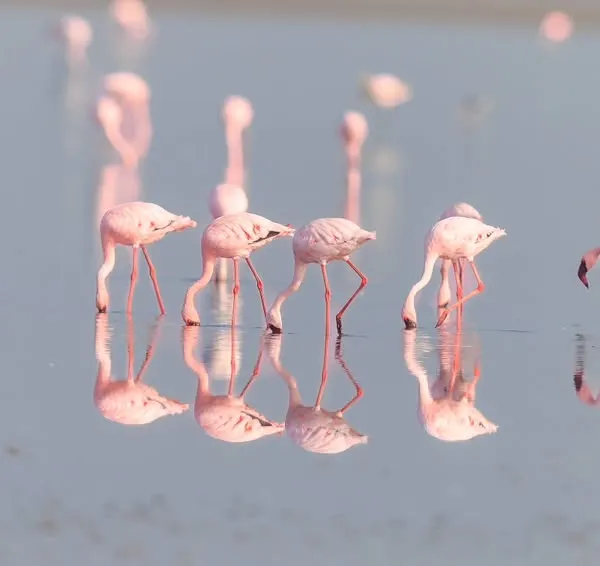
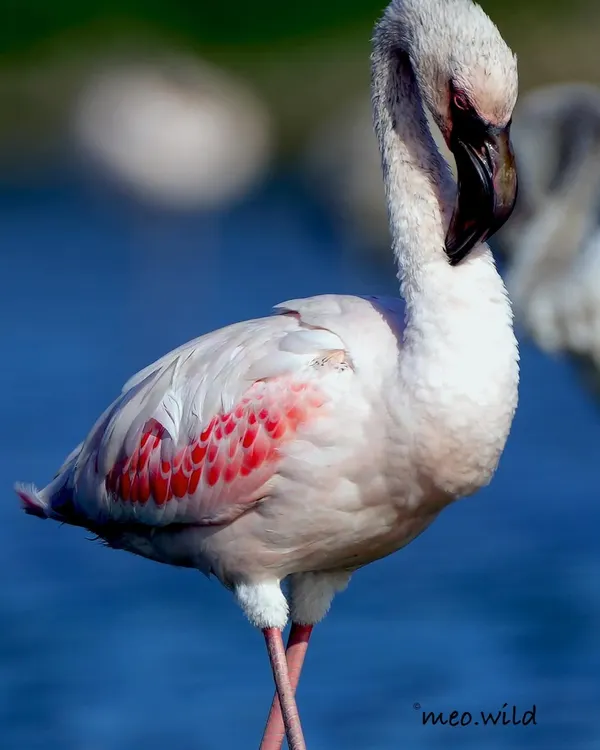
A flock of Lesser Flamingos feeding in the shallow coastal waters. This wide shot captures the social nature of these birds and the scale of their habitat.
A Northern Shoveler surfaces from the water, its iridescent green head covered in droplets. This close-up reveals the textures and colors often missed from a distance.
The unmistakable profile of a male Red-crested Pochard, with its vibrant red bill and fluffy orange crest, captured as it swims in open water.
A portrait of an Indian Spot-billed Duck, showing the characteristic yellow tip on its bill and the iridescent green speculum on its wing.
A flock of Bar-headed Geese, famous for their high-altitude migration over the Himalayas, gathered at their wintering grounds in the Indian plains.
A detailed portrait of a pair of Greylag Geese. These birds are the ancestors of most domestic geese and are a common sight in the wetlands I visit.
A Pheasant-tailed Jacana appears to walk on water as it moves across lily pads. This shot highlights the bird's incredibly long toes, an adaptation for its unique environment.
A Black-winged Stilt stands elegantly on one leg in the calm water, a classic pose for this widespread wading bird.
About Wetland Wonders
Finding these shots is not just about showing up with a lens. It requires reading the water, knowing when the tide shifts, and waiting in silence until the bird trusts that I am not a threat. Whether you want to learn this patience during a field mentorship session or need high-resolution images for a commercial project, the approach remains the same: respect the habitat first, get the shot second.
Wetlands are temperamental environments. One day a spot is teeming with Bar-headed Geese, the next it is quiet. I plan my visits based on migration patterns and local water levels to ensure I am there when the light is right. When I am out in the field, I often use a portable blind to stay concealed. This technique allows me to capture intimate behaviors—like a Greylag Goose pair preening or a Pheasant-tailed Jacana walking on lily pads—without causing the birds any stress.
My Approach to Wetland Photography
Bird photography in the wetlands demands a specific technical setup. I work primarily with prime telephoto lenses on full-frame bodies to isolate subjects against the often-cluttered aquatic background. My focus is on sharpness and clean bokeh, ensuring the bird is the absolute focus of the frame.
How We Can Work Together
- Field Mentorship: I take photography enthusiasts out to these locations to teach them how to read the landscape, manage gear in humid marsh conditions, and master tracking fast-moving subjects. These are 10-hour, hands-on sessions.
- Commercial Assignments: If you need editorial or commercial imagery of India’s wetland biodiversity, I deliver professional-grade, high-resolution files suitable for print and digital campaigns.
- Fine Art Prints: For collectors, I offer museum-quality, A1-size archival prints of these waterbirds, signed and shipped ready to hang.
Whether you are looking to refine your own camera skills or need specific imagery for your brand, let’s talk about the logistics of getting out into the field.
Similar work from other experts
Browse through Curated picks from other experts on mytribe
 50
50
Life at the Water's Edge: Wetland Bird Photography
 42
42
Waders & Waterbirds Photography Tours
 60
60
Wetland Wildlife Photography and Documentation
 81
81
Capturing the Birds of India's Wetlands
 72
72
Water World: Life by the River
 61
61
Avian Photography: Wild Moments Across India
More from Wildlife Photography by Gaurav Yadav