Wildlife Photography: Mastering Light and Composition
A great wildlife photo is about more than just the subject. I help you see beyond the checklist to capture artistic silhouettes, reflections, and the magic of the golden hour.
A perfect silhouette of a Great Egret flying against a fiery orange sunset. Learning to expose for the sky is key to creating such dramatic and artistic images.
A Wood Sandpiper and its perfect reflection in the calm, blue water. These reflection shots require a low angle and still conditions, creating a serene and balanced composition.
A creative silhouette of a Shikra perched against the setting sun. Using the sun as a graphic element in the background can turn a simple shot into a piece of art.
Can you spot the Langur monkey? This silhouette shot against an orange sky is a game of hide-and-seek, using the dark shapes of the trees to create a mysterious mood.
The beautiful, intricate patterns on a Rock Bush Quail, blending perfectly with the dry grass. This photo is all about texture and camouflage.
An Oriental Magpie-Robin in the soft golden light of the morning. Even common birds can look extraordinary when you learn to use light effectively.
Another take on the Wood Sandpiper reflection, this time capturing the bird in a more alert pose before it dips its beak.
About The Photographer's Eye: Light & Composition
Getting these shots is less about having the most expensive gear and more about patience and positioning. For reflection shots, I prioritize finding still water and getting low to the surface, often cutting the boat engine to keep the water calm. It is a game of waiting for the right moment when the light hits, rather than clicking away at everything that moves.
Photography is my therapy. When I am out in the field, whether it is the creeks of Navi Mumbai or the forests of Panvel, I am constantly looking for how light interacts with my subject.
The Art of the Silhouette
To capture a silhouette like a Shikra against the setting sun, you have to ignore the bird's details and focus entirely on the sky. I teach my guests to underexpose their shots by one or two stops. You want the bird to be a black shape against that fiery orange background. If you expose for the bird, you lose the drama of the light.
Reflections and Water Composition
Reflection shots of a Wood Sandpiper require two things: calm water and a low angle. You need to get your camera as close to the water surface as possible. This changes the perspective, making the bird look like it is standing on a mirror. We often do this on my private boat charters in Thane Creek, where I can direct the captain to cut the engine so the surface remains glass-like.
Golden Hour Magic
Common birds often look extraordinary during the golden hour. The soft, directional light of early morning or late evening adds texture to feathers that you simply cannot get at noon.
My Approach to Nature Photography
- Patience: Wildlife does not follow a schedule. I wait for the animal to reveal itself.
- Ethical Shooting: I prioritize the bird's comfort over the shot. If a bird is nesting, we keep our distance.
- Technical Settings: On my tours, we discuss manual settings, focusing on shutter speed for flight and aperture for bokeh.
Whether you are a beginner wanting to understand your Nikon gear or an enthusiast looking to refine your eye, my tours are designed to move you from taking snapshots to creating art.
Similar work from other experts
Browse through Curated picks from other experts on mytribe
 28
28
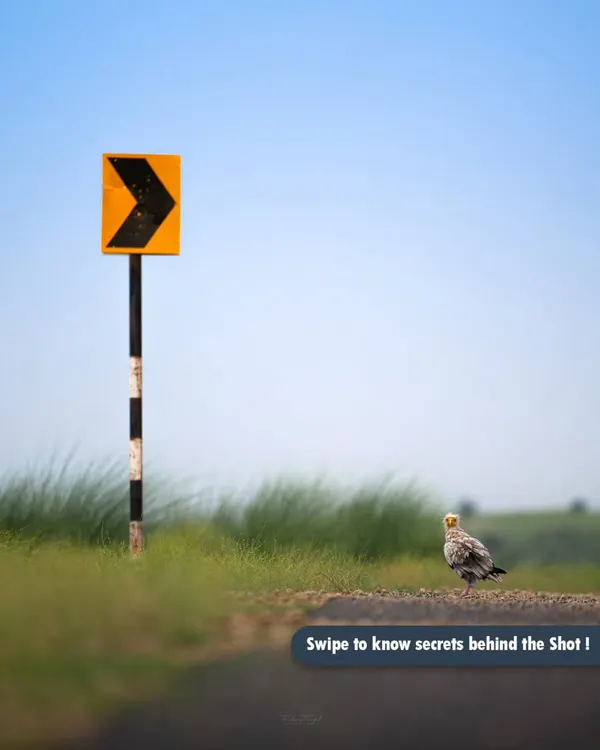
Creative Wildlife Photography & Composition Techniques
 17
17

Wildlife Photography Composition: Master the Art of the Shot
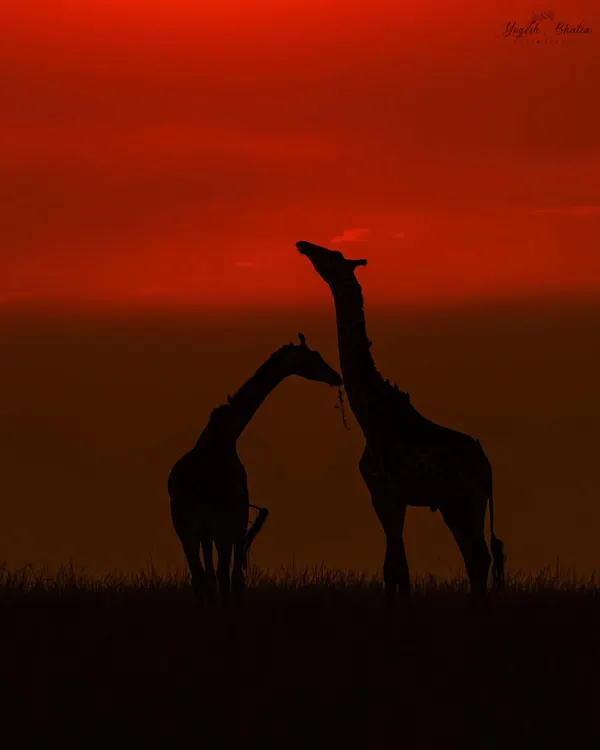 12
12
Mastering Light: Creative & Artistic Wildlife Photography
 4
4
The Art of the Wild: Wildlife Photography Composition
 19
19
Creative Wildlife Photography: Mastering Light and Mood
 15
15
The Art of Light: Silhouettes & Golden Hour Fine Art
More from Wildlife Photography Tours by Aashish Patil
More services by Aashish Patil