Wildlife Photography Composition: Master the Art of the Shot
Great wildlife photos are not just about sharp subjects; they are about storytelling. Here is how I use light, composition, and patience to capture raw, authentic moments in the wild.
This is the first post in my "Secrets Behind the Shots" series. I'll take you behind the scenes to show the challenges, techniques, and stories that go into creating a single photograph.
The story behind my Tawny Eagle shot. Getting this close required crawling 50 meters, and while I got the shot, I missed its yawn. Every frame is a lesson in patience and timing.
The story behind my dreamy, minimalist silhouette of a black-winged stilt. This series shows how I turn challenging conditions like heavy haze into an opportunity for creative expression.
Here you can see the natural frame I used in the foreground grass. My idea was to use this vignette and wait for a bird to pass through the illuminated opening.
A comparison of the RAW file versus the final processed image for the black-winged stilt silhouette. Post-processing is a key part of bringing the mood and feeling I envisioned to life.
The scenario: a hazy day in Navi Mumbai with many distractions. Instead of giving up, I decided to embrace the conditions and attempt a more creative, atmospheric shot.
I carefully positioned myself to center the opening in the grass. The rest of the frame is an abstract, out-of-focus foreground, which creates a dreamy, mysterious feel.
The camera settings for the stilt silhouette. I imagined a more dynamic shot, but nature had other plans. This is the beauty of wildlife photography; it teaches patience and gratitude.
This image explains the process of army-crawling nearly 50 meters to get the shot of the Tawny Eagle. It wasn't glamorous, but it was necessary to get the low angle I wanted.
As I crawled closer, the grass in front of the eagle seemed to grow taller, obstructing the view. I had to pause and reassess my composition to get the connection I wanted between the bird and the ground.
About The Art of the Shot: Composition & Creativity
Getting the perfect frame is rarely about waiting for the bird to look at you. Often, it means crawling 50 meters through mud to find a natural foreground frame or deciding to shoot through the heat haze rather than fighting it. In my workshops, I teach you to stop relying on Auto mode and start predicting the bird's movement before it happens, turning a messy, high-distraction scene into a clean, minimalist silhouette.
Beyond the Gear
Many beginners think a longer lens is the only way to get a great shot. But once you join me on a field walk, you will realize that fieldcraft matters more than the gear. Whether we are in the wetlands of Navi Mumbai or the dry plains of Jaisalmer, I teach you to look for natural frames like overhanging branches, grasses, or even roadside markers that turn a boring subject into a story.
My Approach to Composition
- Embrace the Conditions: If it is a hazy day, do not pack up. Use that haze to create depth and atmosphere. I show you how to use rim lighting and bokeh positioning to isolate your subject.
- Manual Control: We stop using Auto settings. I help you master ISO, Shutter Speed, and Aperture so you can decide exactly how the bird should look against the background.
- The 'Secrets Behind the Shot' Mindset: Every photo on this page has a story. Like the Tawny Eagle shot where I had to army-crawl 50 meters to get the low-angle perspective I wanted. I walk you through the logic of why I shifted from a horizontal frame to a vertical one to add more context to the environment.
Why Learn With Me?
I treat my photography as therapy and conservation, not just a service. My workshops are small, usually limited to 4-8 people, because I want to give you 1-on-1 focus on your camera settings and framing. We do not just click and leave; we discuss the ethics of wildlife photography and how to be invisible in the wild. If you are ready to stop taking snapshots and start making photographs, join me for a session.
Similar work from other experts
Browse through Curated picks from other experts on mytribe
 7
7
Wildlife Photography: Mastering Light and Composition
 19
19
Creative Wildlife Photography: Mastering Light and Mood
 12
12
Silhouettes & Monochrome Wildlife Photography
 15
15
The Art of Light: Silhouettes & Golden Hour Fine Art
 4
4
Artistic Nature Photography: Capturing the Soul of the Wild
 12
12
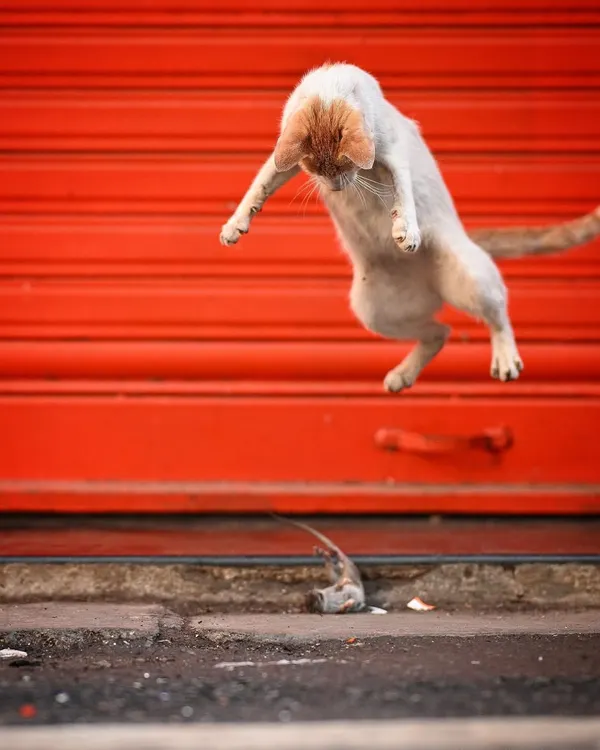
Wildlife Photography: Capturing Raw Animal Instincts in Mumbai
More from Wildlife Photography Expeditions & Workshops by Tushar Tandel
More services by Tushar Tandel