Balance Your Hormones Naturally
Your cycle is a vital sign of your overall health. When it feels off, it is often your body asking for a shift in how you nourish yourself. I focus on food-first methods to regulate periods and manage symptoms like PMS without restrictive dieting.
What is Seed Cycling? This infographic explains the core concept of seed cycling. It's a natural method of eating specific seeds during the two main phases of your menstrual cycle to support hormone balance.
Follicular Phase (Day 1-14) Nutrition. During the first half of your cycle, I recommend flaxseeds and pumpkin seeds. Flaxseeds help regulate estrogen, while the zinc in pumpkin seeds supports progesterone production for the next phase.
Luteal Phase (Day 15-28) Nutrition. In the second half of your cycle, we switch to sunflower and sesame seeds. Sunflower seeds are high in selenium for liver support, and sesame seeds contain lignans to help balance progesterone.
How to Easily Use Seeds. Incorporating these seeds is simple. Just one tablespoon of each per day, added to your smoothies, yogurt, or salads, is all you need. I recommend grinding flaxseeds for better absorption.
The Benefits of Seed Cycling. Committing to this simple practice can lead to significant improvements. Many of my clients experience reduced PMS symptoms, more regular cycles, better skin, and increased energy levels.
Understanding the Female Athlete Triad. For active women, it's crucial to understand the link between energy availability, menstrual function, and bone health. This diagram explains the Female Athlete Triad, a condition I help prevent and manage.
About Balance Your Hormones Naturally
Seed cycling is one of the simplest habits I recommend for hormonal balance, but the devil is in the details. You have to grind your flaxseeds for your body to actually absorb the lignans, and swapping to sesame and sunflower seeds mid-cycle provides the zinc and selenium needed for progesterone. It is not about changing your entire life overnight, but getting these small, nutrient-dense additions into your daily routine.
Often, the first sign of burnout or energy depletion shows up in your menstrual cycle. Whether you are an athlete dealing with the Female Athlete Triad or a busy professional struggling with stress-induced hormonal dips, the approach is the same. We need to look at what you are eating, not just how much.
Many clients come to me expecting a strict diet. Instead, I look at why your cycle might be irregular. Are you undereating? Is stress impacting your gut health? We work on balancing your blood sugar and ensuring you have enough nutrient density to support natural hormone production.
The 12-week program is designed for this. You get a deep-dive assessment to look at your reports, and then we build a plan around your kitchen. No exotic ingredients you cannot find at a local store. We use things like saunf (fennel) for digestion and halim seeds for iron.
Remember, hormones do not shift in a week. As I tell all my clients, 'time lagega' (it will take time). We track your progress, adjust based on your symptoms, and slowly build a sustainable rhythm. If you are dealing with PCOS, perimenopause, or just constant bloating, we start there. The goal is to get you back to feeling regular, energized, and in control of your health. Theek hai?
Similar work from other experts
Browse through Curated picks from other experts on mytribe
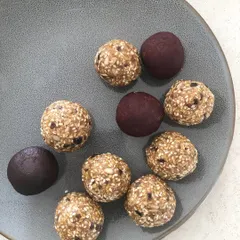
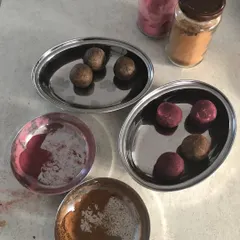
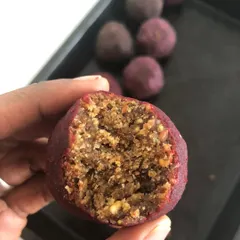
Natural Food Strategies for Hormone Balance
 5
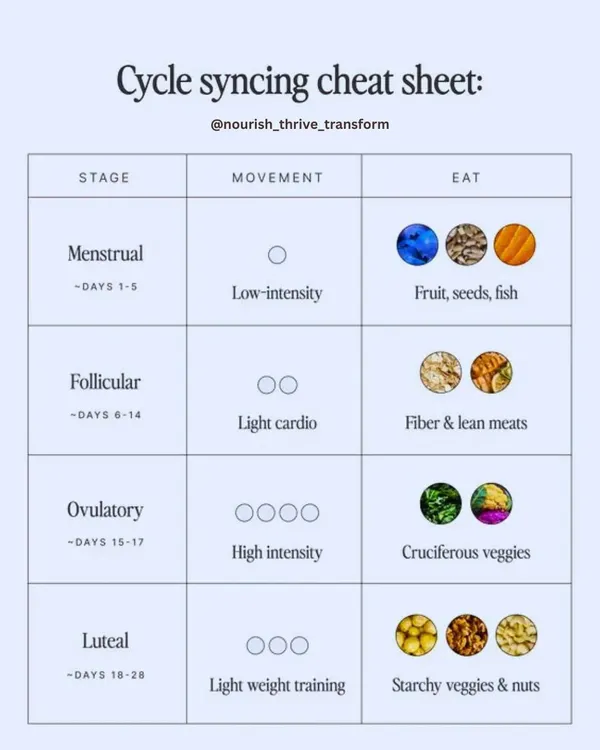
5Cycle Syncing and Hormonal Balance Nutrition Guide
 64
64
Natural PCOS and Hormone Management
 29
29Hormonal Harmony & Cycle-Syncing Nutrition
 36
36

Managing PCOS Naturally with Indian Home Food
Cycle Syncing Nutrition for Postpartum Hormone Recovery
More from Women's Health Nutrition by Shona Prabhu
More services by Shona Prabhu